As the Apple autumn launch event rapidly approaches, Bloomberg reporter Mark Gurman revealed new hardware secrets. He detailed these exclusive insights in his latest Power On newsletter. Gurman exposed early testing feedback for the highly anticipated foldable iPhone Ultra flagship. He discussed its inevitable engineering compromises. Furthermore, he revealed that a new 24-inch iMac featuring the potent M6 chip will debut before the year ends.
iPhone Ultra: Splendid Displays But Weak Cameras
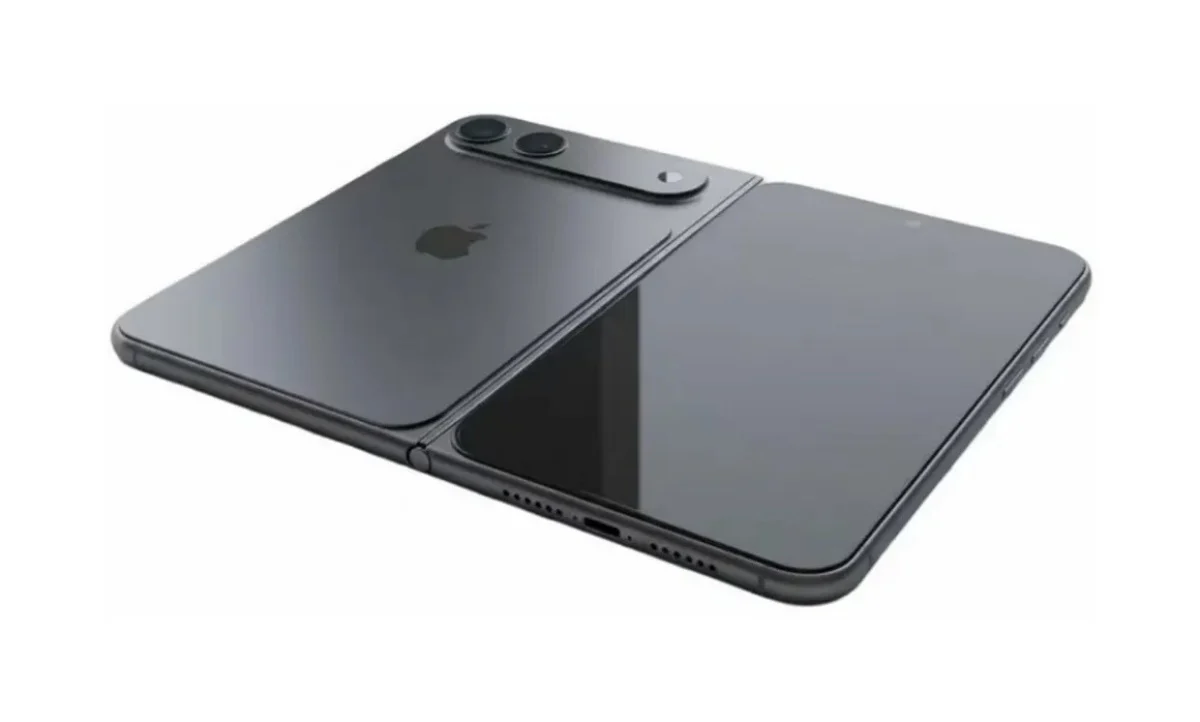
Gurman reports that early testers highly praise this book-style foldable flagship. Apple specifically designed this device to rival the Samsung Galaxy Z Fold series. Users particularly commend the tactile hinge resistance and its exceptional portability when folded. The large inner display also delivers a spectacular multitasking experience. Current leaked specifications and testing feedback reveal several fascinating details.
Screen Configuration and Software Experience
The outer display utilizes a highly compact 5.5-inch design. Unfolding the device reveals a sweeping 7.8-inch primary inner screen. The system applies an adaptive layout similar to iPadOS when unfolded. This intelligent design drastically enhances split-screen multitasking, gaming fields of view, and video browsing. Additionally, the outer screen fully supports real-time selfie previews.
Extreme Thinness Requires Biometric Compromises
Apple engineered the unfolded chassis to achieve a staggering 4.5mm thickness. This extreme thinness demanded significant internal structural compromises. Consequently, engineers completely eliminated the bulky TrueDepth camera module required for Face ID. They adopted a Touch ID fingerprint sensor integrated directly into the side power button instead. Some users accustomed to facial recognition find this adjustment jarring. Conversely, other testers strongly prefer the intuitive feedback of a physical fingerprint scanner.
Reduced Camera Capabilities
The diminished camera module provokes the most intense criticism from testers and industry observers. The iPhone Ultra back panel houses only a dual-camera system. This array features a 48-megapixel primary lens paired with an ultra-wide sensor. Apple entirely discarded the telephoto and periscope lenses. This premium flagship carries an estimated starting price of two thousand dollars. High-capacity variants might even exceed twenty-five hundred dollars. Missing an optical telephoto lens represents a glaring flaw for such an expensive luxury device. Insiders indicate the iPhone Ultra will debut alongside the standard iPhone 18 Pro series. Apple will host this autumn product launch event around September 9.
The 24-Inch iMac Receives a Massive M6 Upgrade
Regarding the desktop Mac lineup, Gurman noted Apple is actively preparing a revitalized 24-inch iMac. This new machine will feature a next-generation processor and fresh exterior colors. It will directly replace the M4 version launched in October 2024. Gurman emphasized that all current evidence points to a late 2026 release for this M6-powered computer.
Leaping Forward to the M6 Processor
The upcoming computer will directly upgrade to the formidable M6 chip. TSMC manufactures this processor using an advanced fabrication node. It delivers vastly superior CPU and GPU computational efficiency. The chip also features an enhanced Neural Processing Unit. This dedicated engine specifically accelerates local Apple Intelligence model computations.
Classic Design Meets New Colors
This revision will not introduce major exterior structural changes. The computer maintains its exceptionally thin 24-inch all-in-one chassis design. However, Apple plans to introduce entirely new body color options. These novel shades will perfectly complement the existing seven classic colors.
OLED Displays Remain Years Away
The industry continuously monitors the integration of OLED panels into the Mac family. Reports indicate a 24-inch iMac featuring an OLED screen remains strictly in developmental phases. Commercial mass production for this specific model likely remains several years away.
Balancing Extreme Thinness With Premium Specifications
The leaked iPhone Ultra testing feedback clearly highlights formidable physical limitations. Apple faces intense engineering compromises while crafting its inaugural foldable smartphone. The Android camp currently drives folded device thickness below nine millimeters. Consequently, Apple actively avoids releasing a cumbersome first-generation foldable product. To achieve that breathtaking 4.5mm unfolded depth, engineers had to ruthlessly eliminate components. They removed the Face ID module to shrink bezels and device depth. They also sacrificed the space-consuming periscope telephoto lens entirely.
This strategy represents an incredibly risky pricing and user experience gamble. The target audience occupying the two-thousand-dollar price tier demands absolute perfection. These technology enthusiasts and business elites expect uncompromising capabilities. Removing long-range telephoto photography and the familiar Face ID system creates a glaring disparity. Consumers might feel they spent a fortune on downgraded hardware. Ultimately, this delicate situation will severely test the magnetic appeal of the Apple brand.
The M6 chip upgrade for the 24-inch iMac reflects standard progression. Apple routinely advances its proprietary Apple Silicon iteration cycles. This clearly positioned all-in-one machine serves home, educational, and professional environments beautifully. It secures its market position through more potent chip performance and vibrant new colors. It remains a visually stunning workstation for modern living rooms and desks.
Support Our Threat Intelligence
If you find our technology report and cybersecurity news helpful, consider supporting our work.
 Buy Me a Coffee
PayPal
Buy Me a Coffee
PayPal