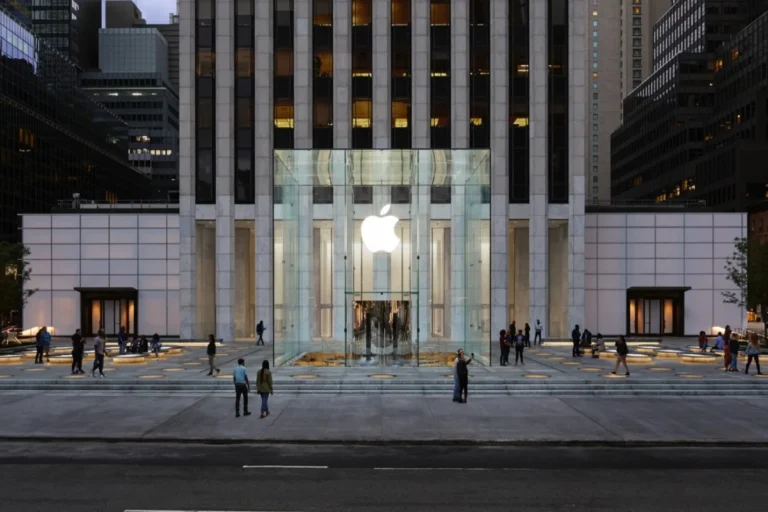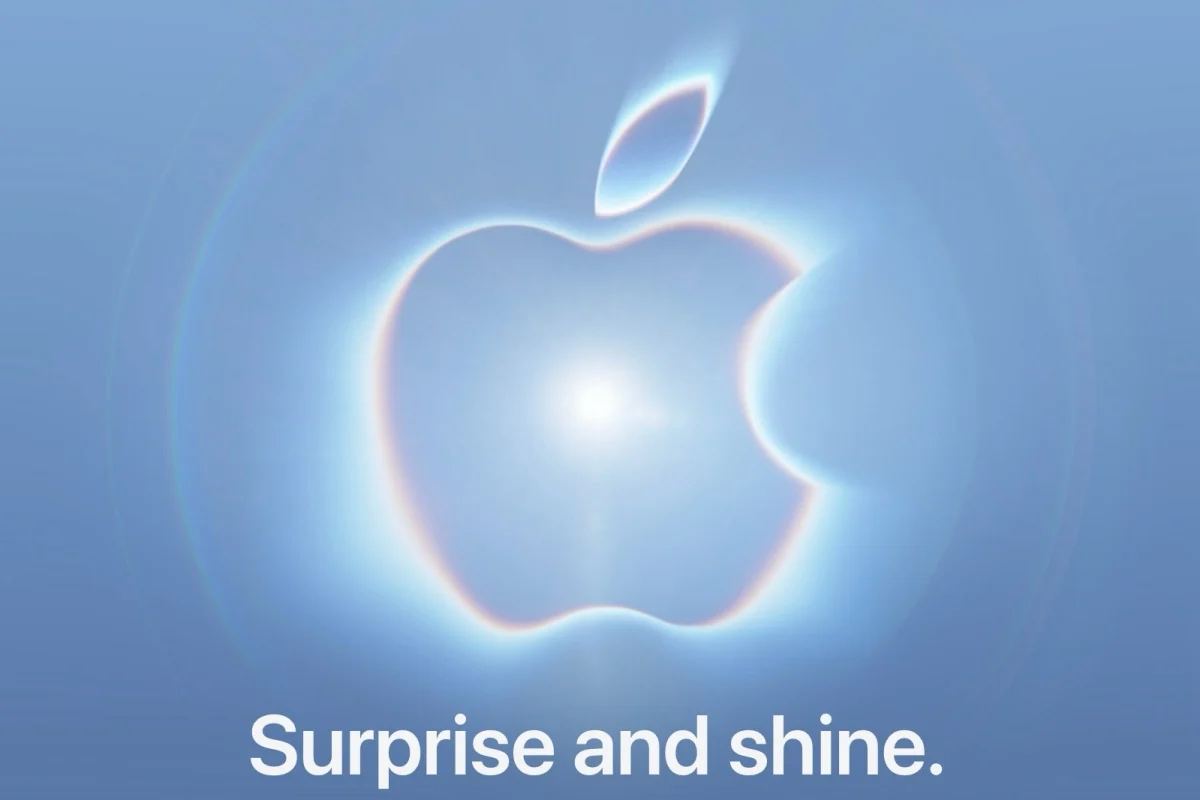
Apple has officially dispatched its highly anticipated special event invitations to global media outlets. The event, intriguingly themed “Surprise and shine,” is definitively scheduled for September 9th at 10:00 AM Pacific Time. The prestigious gathering will occur at the iconic Steve Jobs Theater within Apple Park. Analyzing the evocative theme description, industry experts strongly anticipate the unveiling of Apple’s first foldable smartphone, the long-rumored “iPhone Ultra.” Furthermore, the technology giant is expected to introduce the new iPhone 18 Pro series, alongside updated Apple Watch and AirPods product lines. Finally, official release versions of new operating systems, notably iOS 27, should also be announced.
A Historic Generational Shift in Leadership
Beyond the highly anticipated hardware reveals, including the new iPhone 18 Pro series and the ultra-premium foldable flagship, this event marks a profound historical moment. It represents a monumental generational shift within Apple’s executive leadership. Current Chief Executive Officer Tim Cook is expected to formally pass the baton. John Ternus, the current Senior Vice President of Hardware Engineering, will take center stage as the newly appointed CEO. This transition vividly symbolizes Apple embarking upon an entirely new operational chapter.
The John Ternus Era Begins
John Ternus brings a formidable resume to the chief executive position. He previously spearheaded the monumental transitions of the iPad and Mac product lines to custom Apple Silicon. Furthermore, he directed significant architectural innovations across multiple generations of iPhone hardware. His leadership style contrasts sharply with Tim Cook’s renowned expertise in supply chain management and commercial operations. Ternus possesses a profoundly deep background rooted in intricate hardware engineering and rigorous product development.
Market analysts interpret Ternus’s ascension as a strategic reinforcement of Apple’s core competitive advantage. As the company confronts fierce competition regarding generative AI (Apple Intelligence) and next-generation computing devices, profound vertical integration between hardware and software becomes critical. Ternus is expected to significantly strengthen this integration. Moreover, he will likely reshape Apple’s overarching hardware design language, meticulously laying the crucial groundwork for future foldable devices and expansive spatial computing ecosystems.
The 2nm A20 Bionic Chip and Strategic Lineup Adjustments
Regarding hardware specifications, Apple will build upon the formidable performance foundation recently established by the Mac mini. That device proudly pioneered the use of the M6 chip, manufactured utilizing TSMC’s cutting-edge 2nm process. Consequently, Apple is overwhelmingly expected to unveil the entirely new A20 and A20 Pro Bionic chips at this event. These chips will also leverage the revolutionary 2nm manufacturing process.
Unprecedented Power Efficiency and On-Device AI
The A20 series chips are projected to achieve a spectacular breakthrough regarding energy efficiency ratios. Even more importantly, they are expected to feature a dramatically upgraded Neural Processing Unit (NPU). This enhancement is absolutely essential for accommodating the demanding computational requirements of sophisticated on-device AI models.
A Profound Shift in Product Deployment
Crucially, Apple’s established iPhone release cadence appears to be undergoing its most significant structural adjustment in recent years.
- Autumn Reserved for Premium Flagships: The September event will likely exclusively feature high-end devices. This includes the iPhone 18 Pro, the iPhone 18 Pro Max, and the unprecedented debut of the iPhone Ultra. Industry rumors suggest the iPhone Ultra will utilize a novel titanium alloy chassis and incorporate a deeper, dedicated hardware acceleration architecture specifically designed for Apple Intelligence.
- Mainstream Models Shift to Spring: The standard iPhone 18 model is projected to break long-standing tradition. Its release will likely be delayed until the spring of 2027. At that time, it will debut alongside the second-generation lightweight iPhone Air 2 and the budget-friendly iPhone 18e. This strategic adjustment effectively disperses the immense supply chain inventory pressure typically concentrated in a single quarter. Simultaneously, it successfully maintains crucial long-tail sales momentum outside the traditional autumn window.
Wearables and Software Ecosystem Synergy
Beyond the core smartphone lineup, wearable devices and the broader software ecosystem represent major focal points for this presentation.
- Apple Watch Advancements: The Apple Watch Series 12 and Apple Watch Ultra 4 are anticipated to introduce highly precise, miniaturized health sensors. These may include innovative blood pressure trend monitoring or advanced sleep apnea detection capabilities. Furthermore, these devices will likely feature narrower screen bezels and significantly improved battery endurance.
- AirPods Upgrades: Rumors indicate upcoming AirPods will feature a comprehensively updated Active Noise Cancellation (ANC) architecture. They are also expected to introduce enhanced hearing assistance functionalities and sophisticated dynamic head tracking, powered by a new H-series chip.
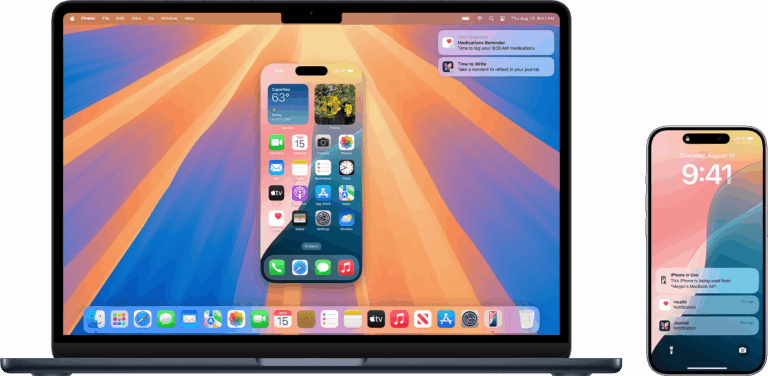
- Official Operating System Releases: Apple will announce the official rollout schedules for new operating systems following the event. This includes iOS 27, iPadOS 27, macOS 27, and watchOS 27. The primary focus will overwhelmingly center upon a vastly more intelligent, cross-device Siri experience. Additionally, Apple will showcase the profound integration of Apple Intelligence, operating seamlessly between edge devices and cloud infrastructure.
The Ultimate Test of AI Monetization
Viewing the broader strategic landscape, this upcoming presentation is far more than a routine hardware refresh. It serves as a critical, triple inflection point for Apple. The company is simultaneously navigating a monumental leadership change, a massive leap in semiconductor manufacturing, and a profound reorganization of its product lifecycles.
Binding the revolutionary 2nm process exclusively to premium models (Pro and Ultra) secures initial production capacity and guarantees high profit margins. Simultaneously, delaying the standard models until spring precisely segments eager early adopters from the broader mass consumer market.
However, as hardware specifications reach unprecedented heights, users will apply exceptionally stringent standards when evaluating the actual, practical experience of implemented AI features. The ultimate test remains whether newly appointed CEO John Ternus can deliver a compelling debut presentation. He must successfully demonstrate a product lineup that brilliantly combines exquisite hardware craftsmanship with genuine, practical AI value. This performance will serve as a crucial leading indicator, supporting Apple’s trajectory throughout the next decade.
Support Our Threat Intelligence
If you find our technology report and cybersecurity news helpful, consider supporting our work.
 Buy Me a Coffee
PayPal
Buy Me a Coffee
PayPal