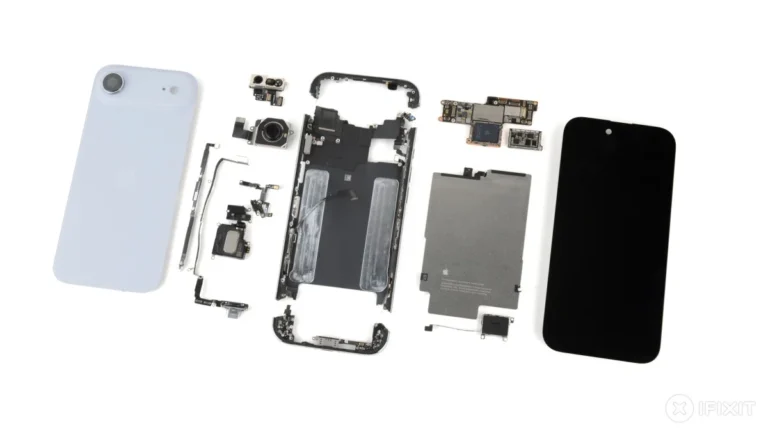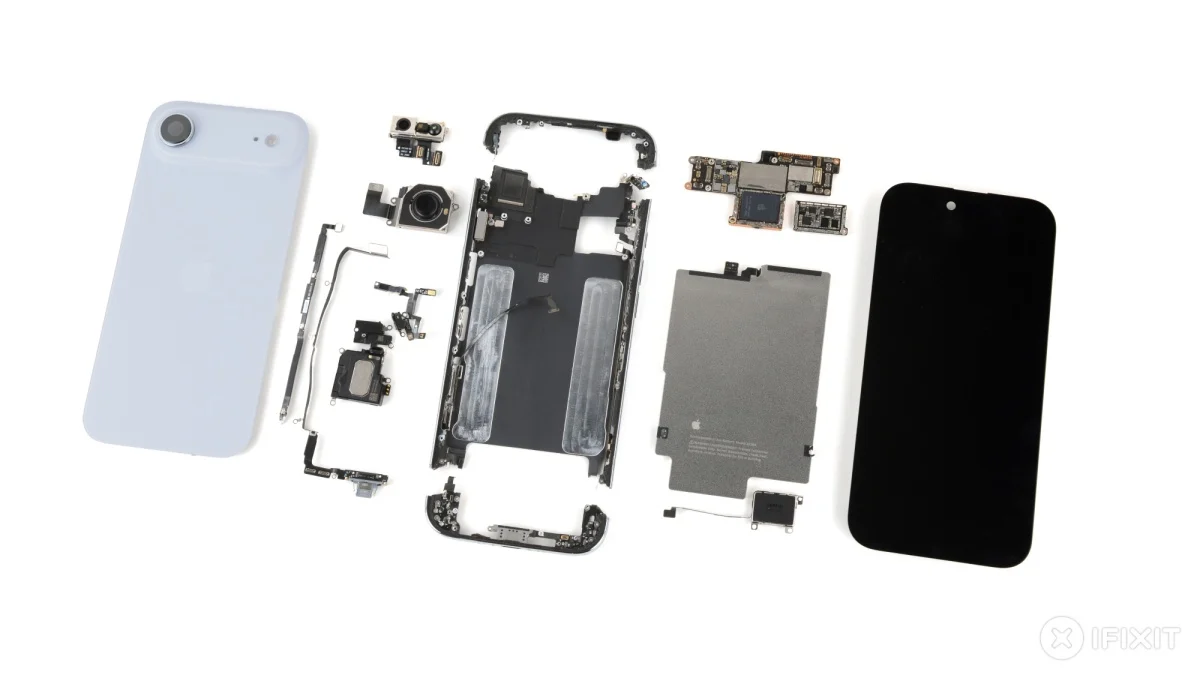
Apple’s ambition for thin phones seemingly knows no bounds. According to recent reports, the new iPhone Air 2 will debut early next year. A prominent Korean blogger recently shared this exciting news. Its body will reportedly shed another 0.4 millimeters compared to the current version. This remarkable reduction means its thickness will reach an astonishing 5.2 millimeters. Consequently, it shrinks the original model’s profile by roughly 7 percent. Furthermore, this exact size perfectly matches the open profile of the new iPhone Duo foldable phone.
Defying Physical Limits with Advanced Batteries
Packing strong hardware into a mere 5.2-millimeter frame presents a massive engineering challenge. However, recent rumors suggest the iPhone Air 2 will not only become thinner but also hold a larger battery. Specifically, it might boast a strong 3500mAh capacity. Therefore, this design offers an 11 percent boost compared to the 3149mAh battery of the first iPhone Air.
Industry watchers credit this magnificent tech breakthrough to new high-density silicon-carbon battery technology. Moreover, significant advances in smaller motherboard designs play a vital role. Ultimately, these brilliant internal updates free up precious space for essential battery parts.
A Formidable Spring Lineup
Beyond the astonishing iPhone Air 2, Apple’s spring launch event promises to be highly expansive. According to current supply chain whispers, the tech giant will concurrently unveil the standard iPhone 18. Simultaneously, they will introduce the sleek iPhone 18e. This specific model targets the budget-conscious market segment.
Processor Specifications and Strategic Choices
Regarding processor setups, Apple will elegantly continue its recent tiered strategy. Experts expect the iPhone Air 2 and iPhone 18 to feature the brand-new A20 chip. Alternatively, they might utilize an enhanced A19 processor. This ensures flawless running of on-device Apple Intelligence generative AI tasks. These models achieve this despite their ultra-thin or standard body limits.
The iPhone 18e graciously replaces the entry-level spot of the legacy iPhone SE line. Naturally, it strikes a harmonious balance between cost and speed. Crucially, it flawlessly keeps fundamental AI computing abilities. The simultaneous debut of these three remarkable smartphones will perfectly address market demands. Indeed, they beautifully fill the voids left by the premium flagship models launched in the autumn.
The Triumphant Return of Flat Aesthetics
Beginning with the incredible 5.1-millimeter iPad Pro, Apple seemingly rekindles its deep passion for extreme thinness. Yet, a profound distinction marks this modern technological approach. Apple stubbornly refuses to sacrifice battery life in this relentless pursuit.
The iPhone Air 2 achieves a breathtaking 5.2-millimeter profile. Concurrently, it expands battery capacity by a notable 11 percent. Consequently, this amazing feat beautifully reflects the rewards of advanced battery material science. Furthermore, it showcases the brilliance of modern chip packaging technology. Apple masterfully divides its product line into three distinct groups. These include the premium Air, the mainstream 18, and the entry-level 18e. Clearly, this strategy shows a highly refined approach to splitting the diverse consumer market.
Many consumers feel deep fatigue toward increasingly bulky Pro models. Similarly, others remain unaccustomed to the interface logic of foldable devices. For these discerning buyers, this glass-like, incredibly slender smartphone might genuinely represent their ultimate ideal.
Support Our Threat Intelligence
If you find our technology report and cybersecurity news helpful, consider supporting our work.
 Buy Me a Coffee
PayPal
Buy Me a Coffee
PayPal