Every September, Apple’s new iPhone launch feels almost fixed on the calendar. For fans and Wall Street analysts alike, the timing is a ritual. Since the iPhone 5 in 2012, Apple has rarely missed the window.
The year 2020 was the lone exception. Back then, COVID-19 disrupted supply chains and development schedules. Apple held its event only in October, and it shipped just the iPhone 12 and iPhone 12 Pro first. The other two models arrived later, in November.
Six years on, the 2026 iPhone 18 series may repeat that atypical shipping rhythm.
A Staggered Rollout Takes Shape
Several analysts and supply-chain leaks point the same way. Apple still plans a September autumn event, yet the four new phones will not go on sale together.
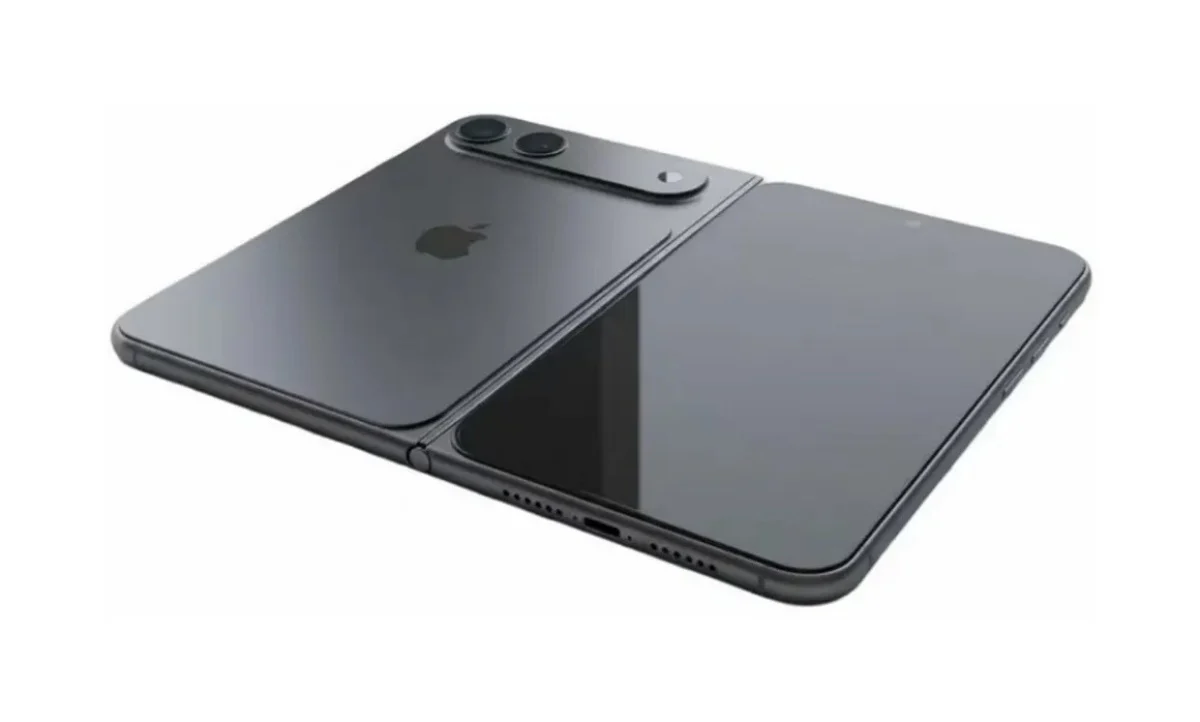
At first, only the iPhone 18 Pro and iPhone 18 Pro Max may ship. The much-anticipated foldable, the iPhone Ultra (also called iPhone Fold), will appear at the event too. However, its actual release could slip a few weeks to mid-to-late October, as recent reporting on the top-tier model outlines.
The bigger surprise lies lower down the range. The entry iPhone 18 and iPhone Air 2 (tentative name) are rumoured to slip all the way to spring 2027. Consequently, this autumn’s lineup would shrink to just three new phones, the leanest slate since 2019.
Echoes of 2020: Phased Shipping and Supply Strain
Recall why Apple broke tradition in 2020. The pandemic severed supply chains, and shortages of components and assembly labour forced a “launch first, ship in batches” response. Only the iPhone 12 and iPhone 12 Pro went on sale on 23 October, while the iPhone 12 mini and iPhone 12 Pro Max waited until 13 November.
This year’s cause is different, yet the supply side faces its own pressures. A global memory-chip shortage rolls on. In particular, capacity for HBM high-bandwidth memory and NAND flash stays tight, which directly affects the production schedule for high-end models.
The foldable adds another constraint. As Apple’s first folding-screen phone, the iPhone Ultra still needs better yields on its hinge mechanism and screen packaging. Therefore, its mass-production timeline cannot easily match the mature iPhone Pro series.
The iPhone Ultra’s Sweet Burden
The iPhone Ultra counts as Apple’s most groundbreaking hardware in years. Reportedly, its unfolded screen measures about 7.6 inches, and it carries a new-generation A19 chip and an upgraded camera system.
Folding phones raise the difficulty sharply, though. Durability testing of the flexible screen, precision assembly of the hinge, and water- and dust-proof sealing all far exceed the complexity of a traditional slab phone.
Supply-chain sources describe exacting standards. Early production yield for the iPhone Ultra reportedly sits near 60%, well below the 90%-plus of the iPhone Pro series. To protect post-launch reviews, Apple would rather delay shipments than lower quality control. That trade-off explains why the iPhone Ultra may reach buyers weeks after the Pro models go on sale.
Entry Models Pushed to Next Year: A Reshuffle?
The most startling rumour concerns the entry tier. The iPhone 18 and iPhone Air 2 may skip the autumn slot entirely and launch in spring 2027 instead. If true, Apple’s autumn event would feature only the iPhone 18 Pro, iPhone 18 Pro Max, and iPhone Ultra, an unusual all-flagship affair.
Industry watchers read the strategy several ways.
- Strategic tiering: Apple may intend to split the line into a spring “light flagship” and an autumn “true flagship,” letting entry and mid-range models debut separately and easing autumn congestion.
- A memory-shortage trade-off: with DRAM and NAND supply tight, Apple may prioritise capacity for high-margin models and push entry phones to a better-stocked next year.
- A foldable market test: the iPhone Ultra is a brand-new category, so Apple may deliberately trim the autumn roster to give the foldable maximum media and consumer attention.
Apple’s Flexible Cadence: Will Wall Street Buy It?
A steady launch and shipping rhythm has long signalled reliability to Apple’s supply chain and investors. Should this 2020-style pattern return, though, some analysts will likely question near-term supply momentum. A delayed iPhone Ultra, in particular, could trim iPhone revenue in the fourth quarter.
The 2020 experience offers reassurance, however. Despite staggered shipping, the iPhone 12 series still posted strong sales, proving that consumers will wait for a new model. As long as the product delivers, phased shipping need not dent annual sales much. Instead, the iPhone Ultra’s price and experience will be the key variable in fans’ willingness to buy this year.
Impact on the Taiwan Market
For Taiwanese consumers, Apple’s new iPhone shipping cadence now runs almost in step with the global schedule. If the iPhone 18 Pro series sells first, early adopters in Taiwan may receive their phones by late September. The iPhone Ultra, though, could arrive only in mid-to-late October. Should the entry iPhone 18 and iPhone Air 2 formally launch in spring 2027, Taiwan may again get them in sync with the world.
Over the long term, positioning autumn for premium flagships and spring for mainstream models would overturn Apple’s once-a-year update habit. Whether that shift keeps Apple ahead amid the AI race and the foldable wave is well worth watching.
Support Our Threat Intelligence
If you find our technology report and cybersecurity news helpful, consider supporting our work.
 Buy Me a Coffee
PayPal
Buy Me a Coffee
PayPal