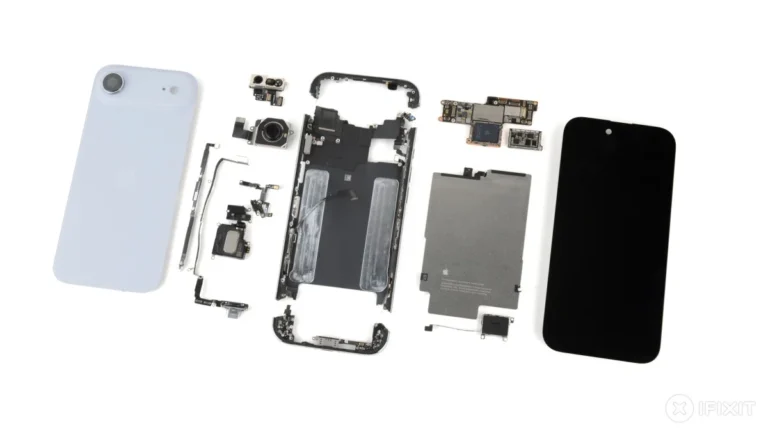
With fewer than six weeks remaining before the anticipated debut of the iPhone Ultra, iPhone 18, and iPhone 18 Pro series, Apple and its packaging partners are engaged in an urgent effort to secure additional mobile DRAM supplies. As reported by veteran technology columnist Tim Culpan, Apple and its supply chain collaborators are coordinating to purchase more mobile DRAM chips and ensure sufficient inventory reaches assembly lines before the launch window closes.
TSMC Has the A20 Pro Chips – But Cannot Finish the Packages
TSMC has already manufactured more than one billion dollars’ worth of A20 Pro processors, produced on its N2 process node with reportedly strong wafer yields across the production line. The bottleneck, however, lies not in silicon fabrication but in final packaging.
Apple’s chip integration strategy requires the processor die and the memory die to be bonded together into a single package before the assembly of a complete device can proceed. The processor inventory is in hand – but a shortfall in memory die availability means a significant portion of those chips cannot yet be packaged and delivered downstream to device assemblers.
Why Memory Shortages Threaten Launch Inventory
Culpan notes that the production cadence for new iPhone models is characteristically unforgiving. When critical components remain constrained in the weeks immediately preceding a launch, the consequences typically manifest not as a delayed announcement but as constrained initial supply – affecting first-wave assembly volumes, finished device inventory at launch, and availability of specific models or storage configurations in the weeks that follow.
How AI Demand Disrupted the Memory Supply Chain
The roots of this particular shortage extend well beyond Apple’s product cycle. Historically, smartphones and personal computers represented the primary demand engines for DRAM and NAND flash memory. That dynamic has shifted materially over the past two years.
AI inference servers, GPU clusters, and hyperscale cloud computing operators are now competing aggressively for memory capacity – offering premium prices and locking in supply through longer-duration purchase agreements. This shift has fundamentally reordered the priority queue within memory supply chains, crowding out consumer electronics manufacturers that once commanded preferred supplier relationships.
Price Increases Already Reaching Consumers
The downstream effects are already visible across the consumer electronics market. Personal computers, smartphones, and even single-board computers such as the Raspberry Pi have all experienced significant price increases attributable to memory cost inflation. Graphics cards – which themselves depend on high-bandwidth memory – have followed the same trajectory, with prices rising sharply as supply tightens.
No Near-Term Relief in Sight
The structural imbalance between memory supply and demand shows no credible signs of easing in the near term. AI infrastructure investment continues to accelerate, and the capacity commitments already made by major memory manufacturers to serve hyperscale customers will not be redirected toward consumer markets quickly.
For consumers, the practical implication is straightforward: the price increases affecting most categories of electronic devices are unlikely to reverse in the coming months. Anyone planning significant electronics purchases in the near future should anticipate continued upward pressure on prices driven by memory component costs.
Support Our Threat Intelligence
If you find our technology report and cybersecurity news helpful, consider supporting our work.
 Buy Me a Coffee
PayPal
Buy Me a Coffee
PayPal