Meta achieved remarkable sales with its Ray-Ban smart glasses. However, privacy concerns regarding the built-in miniature cameras constantly haunt the technology giant. Many people actively worry about secret recordings in public spaces. Therefore, Meta is developing a completely new, camera-free smart glasses model. Insiders reveal that this secret project carries the codename Luna. You can read more about how Meta plans to launch camera-free smart glasses amid mounting privacy concerns. Furthermore, the company plans to unveil Luna during the upcoming Connect 2026 developer conference. This event occurs between September 23 and 24. Consequently, Meta intends to rush these novel glasses to market by October.
A Purely Voice-Driven Interactive Experience
The Luna model completely eliminates all photographic lenses. Nevertheless, it remains a fully functional artificial intelligence wearable. The core interactive experience relies entirely upon an advanced voice assistant.
Six Microphones for Ultimate Clarity
Engineers equipped the device interior with six sophisticated miniature microphones. Furthermore, specialized speakers direct audio precisely into the ears of the user. Consequently, users can converse clearly with the Meta AI chatbot even within extremely noisy environments.
A Remarkably Slim and Elegant Design
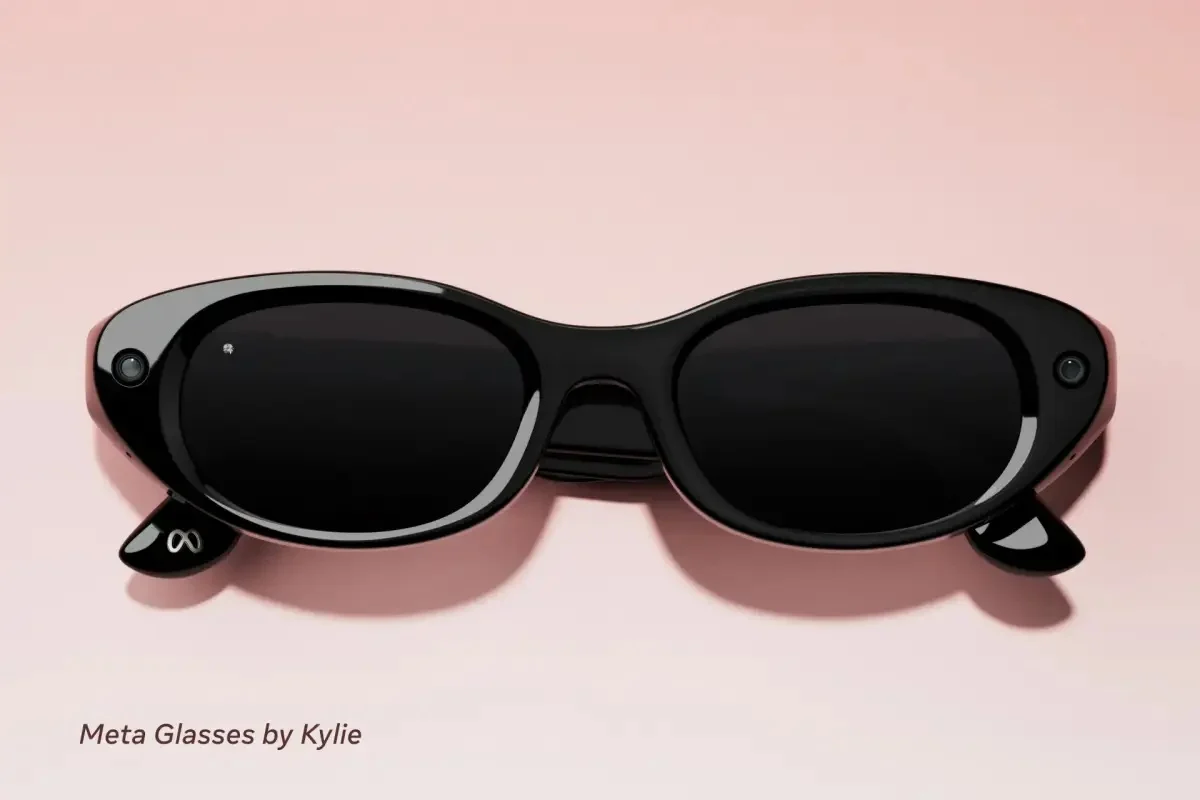
Removing the camera modules and cooling components yields a massive design advantage. Indeed, the temples of the Luna glasses become significantly thinner and lighter. The overall appearance flawlessly mimics ordinary optical eyewear. Furthermore, Meta will offer the frames in two classic styles. Buyers can choose between the timeless Clubmaster and Burbank designs.
Instant AI Activation at Your Fingertips
The design intentionally retains a physical button on the side. Therefore, users can instantly awaken the Meta AI with a single press. This feature facilitates rapid vocal inquiries and schedule checks. It also streamlines essential daily assistant operations.
Shedding the Peeping Glasses Stigma
Meta urgently needs to establish this camera-free product line. The primary reason involves a severe crisis of public trust. Current camera-equipped smart glasses frequently trigger widespread social anxiety.
Meta did implement recording prevention mechanisms on existing models. For instance, a front-facing LED indicator flashes continuously during active recording. Additionally, developers routinely patch firmware vulnerabilities. These updates actively prevent users from hardware tampering or masking the LED light.
Nevertheless, people frequently question these devices in public spaces. Some critics bluntly label them as peeping glasses. Consequently, this perception sparks fierce backlash among privacy advocates and women. This lingering negative stigma actively deters many potential buyers. Therefore, Meta hopes the lens-free Luna will completely eradicate public apprehension. By removing the camera, they aim to attract consumers previously deterred by privacy controversies.
Pivoting from Visual Capture to Audio Hub
Technology giants currently compete fiercely within the wearable AI market. The public generally considers multimodal visual processing the ultimate goal for smart glasses. However, societal rejection of hidden public cameras clearly exceeded initial engineering expectations.
Meta explicitly chose to launch the lensless Luna model now. This decision represents a strategic market compromise and brilliant product segmentation.
Navigating Regulatory and Social Boundaries
Without a camera, these glasses can freely enter sensitive environments. Users can confidently wear them inside locker rooms, classrooms, and hospitals. Furthermore, they remain welcome inside fitness centers and highly classified corporate offices. Wearers will no longer face the awkward demand to remove their devices.
Returning to the Essence of Wearable Comfort
Eliminating the camera and image processing chips provides massive benefits. This change drastically reduces power consumption and extends battery life. It also directly solves the chronic design problems of thick temples and uneven weight distribution. Consequently, Luna becomes a genuinely fashionable accessory. You can comfortably wear it all day without attracting suspicious glances.
The visual recognition capabilities of Meta AI are temporarily lost. The system must rely exclusively upon auditory input. However, earlier products like Amazon Echo Frames validated the personal audio hub concept. Combining this foundation with the vastly improved Meta voice models creates a compelling product. Ultimately, Luna leverages its harmless, privacy-friendly image to conquer the mainstream consumer market.
Support Our Threat Intelligence
If you find our technology report and cybersecurity news helpful, consider supporting our work.
 Buy Me a Coffee
PayPal
Buy Me a Coffee
PayPal