Google has begun sending email notifications to users confirming that Google Assistant will cease to be accessible on Android phones, tablets, and other mobile devices starting September 4, 2026. The shutdown will roll out gradually over several weeks. Once the process is complete, users will no longer be able to invoke Google Assistant through any method – nor will they be able to revert to the legacy assistant.
As users in the Google Pixel community have already confirmed upon receiving their notifications, the transition marks the formal retirement of the traditional voice assistant Google introduced nearly a decade ago. Gemini AI will become the default AI assistant across Android devices.
What the Transition Covers
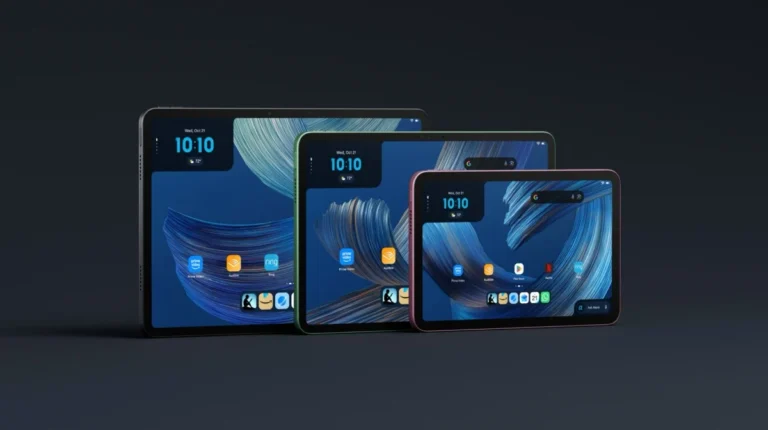
According to Google’s email, the change will initially affect Android smartphones and tablets. In regions where Gemini is already available and on devices that meet the minimum system requirements, invoking the assistant – whether through a “Hey Google” command or by long-pressing the power button – will summon Gemini rather than the legacy assistant.
Companion Devices Also Affected
Devices that depend on a paired phone connection will be drawn into the transition as well. These include Google Wear OS smartwatches, Gemini-compatible headphones and earbuds, and Android Auto head units running through a phone’s screen mirroring.
Google Home speakers, smart displays, and Google TV devices are explicitly excluded from this particular mobile shutdown. Google intends to handle the Gemini migration for those platforms through a separate, dedicated rollout.
The Inevitable End of a Dual-Assistant Strategy
From a product strategy perspective, the direction has been clear for some time. Google has no sustainable rationale for maintaining two parallel mobile assistant frameworks indefinitely. Google Assistant served as the company’s primary voice interface for the better part of a decade – but with Gemini now positioned as the centerpiece of Google’s AI strategy, the legacy assistant’s displacement was never a question of whether, only when.
The comparison with Microsoft’s Cortana is instructive. Microsoft deprecated Cortana years ago, and the company has yet to field a consumer voice assistant that commands meaningful adoption – Copilot notwithstanding. By that measure, Google Assistant enjoyed a considerably longer productive lifespan.
What Users Should Consider
For most users, the practical impact will be modest. The primary questions worth evaluating are whether a given device supports Gemini, whether Gemini is available in the user’s region, and whether frequently used voice commands function as expected under the new assistant.
Users who rarely engage with Google Assistant to begin with will likely notice no meaningful disruption. After all, replacing one underutilized voice assistant with another does little to change the habits of users who never relied on voice interaction in the first place.
Support Our Threat Intelligence
If you find our technology report and cybersecurity news helpful, consider supporting our work.
 Buy Me a Coffee
PayPal
Buy Me a Coffee
PayPal