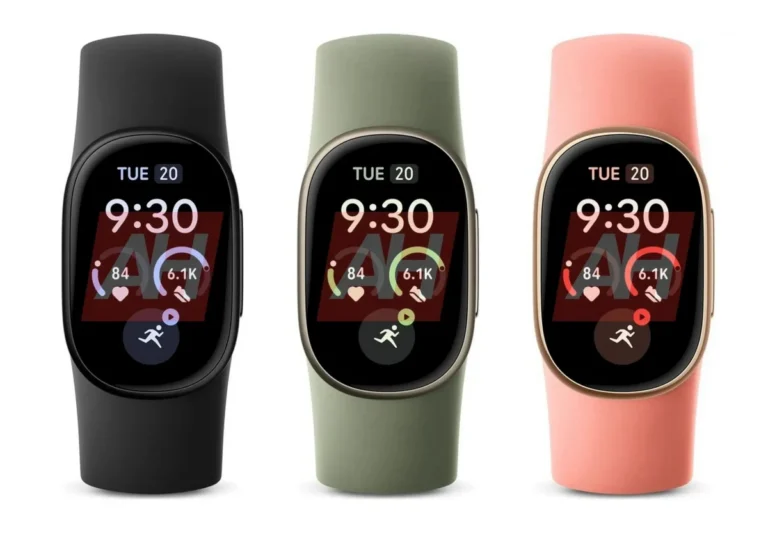
Following its inadvertent appearance in promotional materials for the Pixel 11, Google recently utilized its official Instagram and X accounts to formally confirm the existence of its latest health-tracking wearable, the Fitbit Edge.
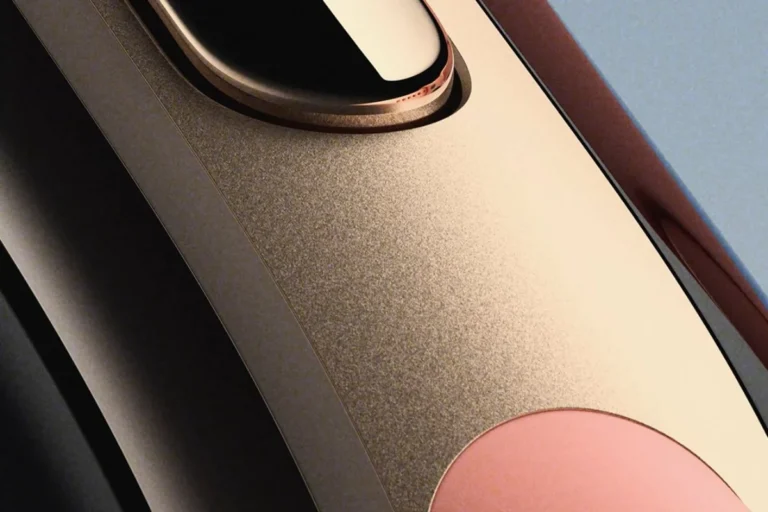
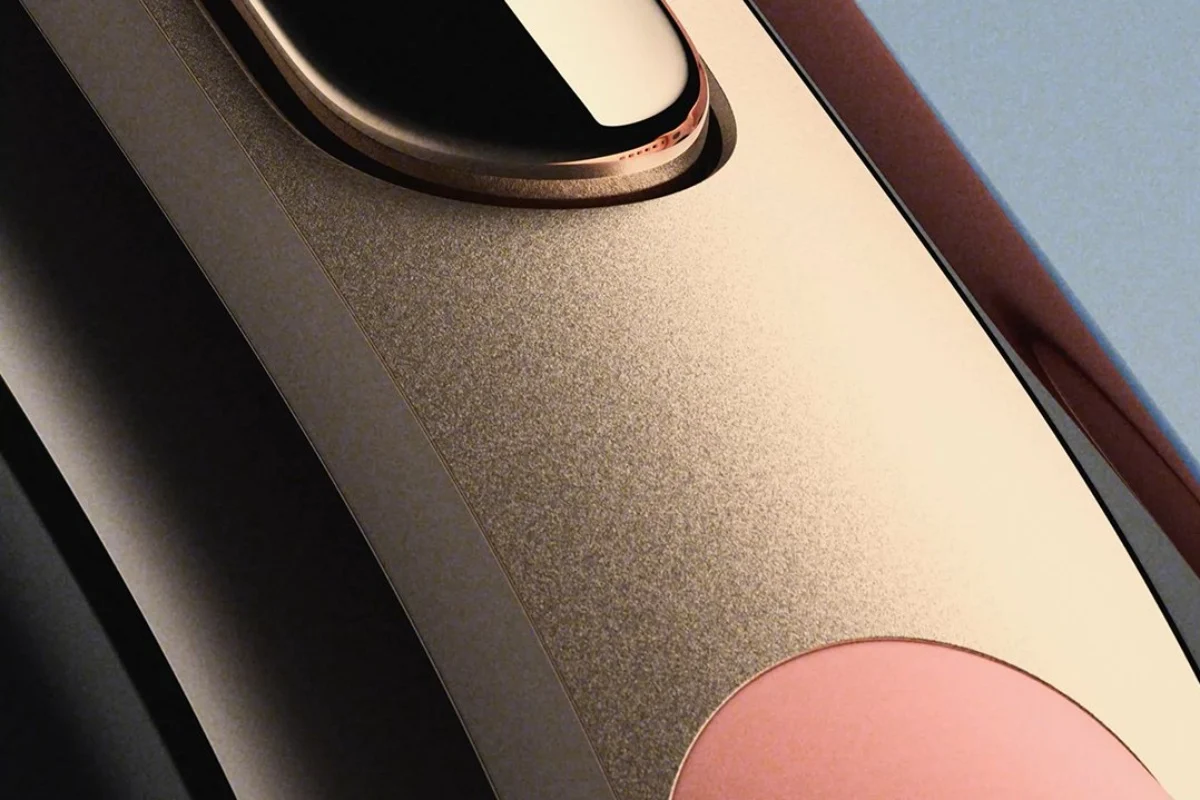
The official publication unveiled a partial close-up showcasing the side button of the new wristband, accompanied by the slogan: “Get an Edge on your health. 10.12.26.” The deliberate capitalization of the word “Edge” effectively corroborates the product’s nomenclature and explicitly heralds its formal debut on October 12.
Bridging the Product Line Gap
The Fitbit Edge is anticipated to play a pivotal transitional role in Google’s wearable strategy for the current year. According to intelligence previously leaked by Android Headlines and the French publication Dealabs, this wristband is precisely positioned between the screenless, entry-level Fitbit Air introduced earlier this year and the flagship Pixel Watch 5 smartwatch.
Not since the introduction of the Fitbit Charge 6 under the Fitbit marque in 2023 has Google updated its mid-tier health bands featuring a comprehensive screen configuration.
Regarding hardware specifications, the Fitbit Edge will boast practical battery endurance. With the Always-on Display (AOD) feature deactivated, a single charge can sustain operation for up to seven days; conversely, engaging the AOD function will maintain power for approximately two days.
Regarding pricing, estimates for the European market suggest a valuation of approximately 179 euros. Considering the entry-level Fitbit Air retails for 99 dollars in the United States, industry analysts project the Fitbit Edge will command a price in the vicinity of 180 dollars within the American market.
Beyond Hardware: Promoting Health Subscriptions
Since Google acquired Fitbit, the technology behemoth’s systematic restructuring of its wearable landscape has become patently clear. This year, Google’s strategic deployment appears exceptionally comprehensive. The portfolio spans from the foundational Fitbit Air, emphasizing discreet wearability and superlative battery life, to the Fitbit Edge, featuring a display and robust health-tracking capabilities, and culminates with the Pixel Watch 5, which amalgamates fashion with an omnipotent intelligent assistant.
For Google, introducing a mid-range wristband equipped with a screen like the Fitbit Edge serves a dual purpose. It not only satisfies consumers who eschew exorbitant smartwatches yet desire access to time and notifications but also fulfills a profound strategic objective: acting as the premier springboard to promote the Google Health Premium subscription service.
Tethering users to the ecosystem through hardware sales, and subsequently generating recurring subscription revenue via advanced AI health data analysis, evidently constitutes the core formula by which Google’s wearable division sustains robust profitability in an era of marginal hardware returns.
Google 2026 Wearable Device Lineup Comparison
| Product Name | Market Positioning | Form Factor | Estimated Battery Life | Estimated Price |
|---|---|---|---|---|
| Fitbit Air | Entry-level health tracker | Screenless design | Up to several weeks | $99 |
| Fitbit Edge | Mid-range smart wristband | Smart wristband with screen | Up to 7 days (AOD off) / 2 days (AOD on) | $180 (Estimated) |
| Pixel Watch 5 | Flagship smartwatch | Full-featured smartwatch | Approximately 1-2 days | $349+ |
Support Our Threat Intelligence
If you find our technology report and cybersecurity news helpful, consider supporting our work.
 Buy Me a Coffee
PayPal
Buy Me a Coffee
PayPal