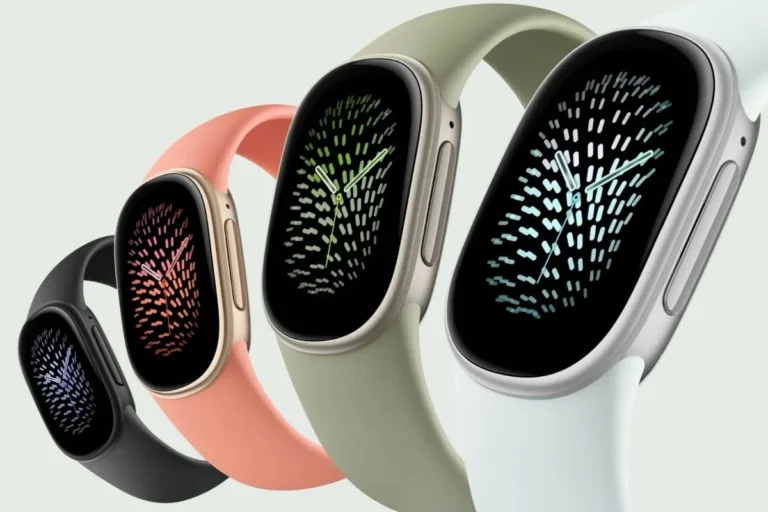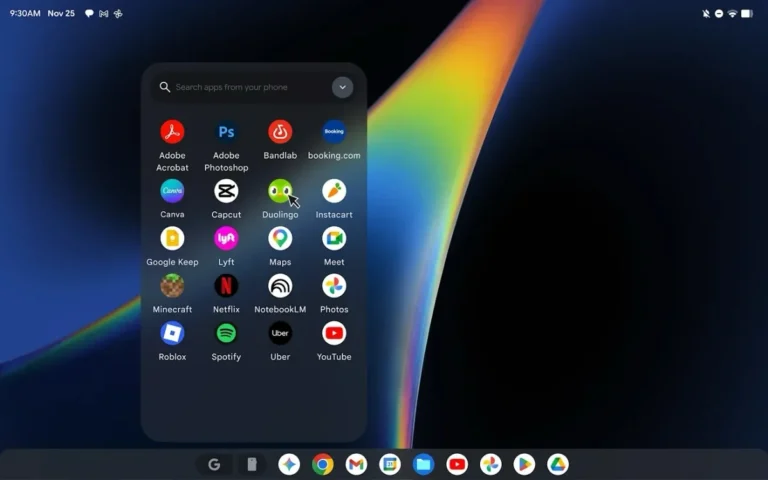
To rigorously fortify its competitive positioning within the realms of wearable devices and personalized health analytics, Google has unveiled two monumental updates. Primarily, they announced a profound strategic partnership with Flo Health, the globally renowned women’s menstrual tracking application. Secondly, Google is deploying a massive software upgrade across its Fitbit and Pixel Watch product lines. This pivotal update universally democratizes the “Health Guardian” early-warning feature, previously an exclusive hallmark of premium smartwatches, expanding it comprehensively across mainstream Fitbit models.
Partnering with Flo Health for Comprehensive Insights
Historically, the women’s health functionalities integrated into most wearable brands remained lamentably superficial, functioning merely as rudimentary calendar logs. To decisively rectify this profound deficiency, Google deliberately chose to forge an alliance directly with Flo Health, the undisputed vanguard in this specialized domain.
Commencing early next year, Flo users will possess the capability to seamlessly synchronize their menstrual data into the newly redesigned Google Health application. For subscribers of the premium Google Health Premium service, the integrated Health Coach will synthesize this information with sleep, Daily Readiness, physical activity, and recovery metrics aggregated by Fitbit devices. Consequently, this synergy will vividly render a vastly superior, holistic physiological portrait across diverse menstrual cycles and various life stages.
Furthermore, Google issued a rare and tantalizing preview regarding future collaborative hardware initiatives. Official statements declared that forthcoming wearable devices will exquisitely amalgamate Flo’s profound algorithmic insights regarding women’s health with Google’s formidable expertise in wearable hardware and advanced sensor technology. This strongly implies that subsequent iterations of the Pixel Watch or Fitbit devices may seamlessly incorporate specialized sensory components specifically engineered to monitor female physiological signatures, such as precise basal body temperature fluctuations or complex endocrine-related variations.
Addressing critical privacy imperatives, Google reiterated absolute assurances. All data synchronization operates strictly under an “explicit authorization” paradigm, enabling users to revoke permissions instantaneously. Moreover, Flo’s sensitive data remains completely isolated; it will never be weaponized for targeted advertising or monetized through sales to third-party developers.
Health Guardian: The Body’s Check Engine Light
Regarding the democratization of hardware features, Google confirmed that the sophisticated “Health Guardian” functionality, initially debuted exclusively on the Pixel Watch earlier this summer, will profoundly expand its reach in late October. It will encompass the screenless entry-level Fitbit Air and the mid-tier display-equipped Fitbit Edge, provided users maintain an active Google Health Premium subscription.
The Health Guardian constitutes an extraordinarily robust early-warning apparatus. It autonomously generates comprehensive health summaries at the conclusion of each month, featuring critical trends concerning blood pressure and insulin resistance. Upon detecting statistical anomalies within these vital metrics, the proactive Health Coach immediately prescribes actionable lifestyle modifications. Simultaneously, it meticulously curates relevant data, empowering the user to engage in far more substantive, precise dialogues during subsequent medical consultations. As officially described by Google executives, this feature functions effectively as a “check engine light” for the human anatomy, adeptly identifying latent health crises during their earliest, most manageable phases.
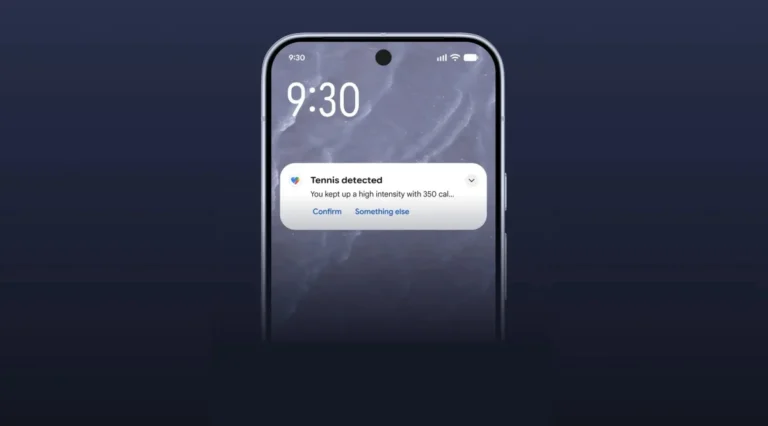
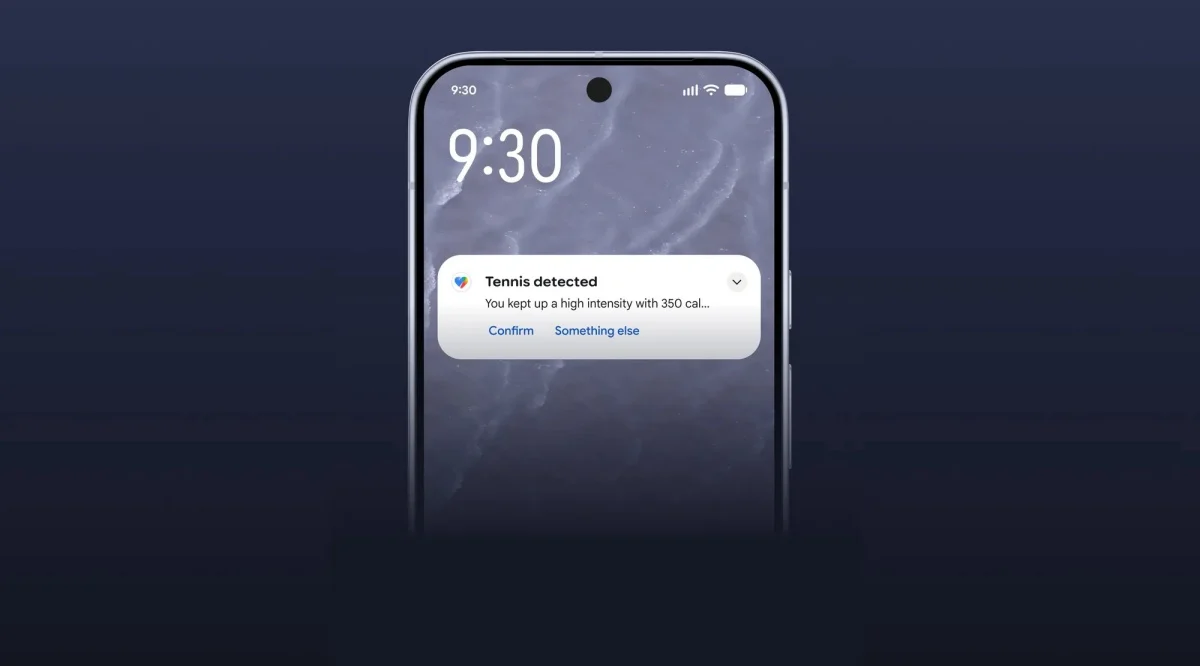
Beyond this sophisticated predictive system, Google simultaneously orchestrated an AI-driven enhancement for the “Automatic Activity Tracking” feature across all active devices, including the Fitbit Air, Fitbit Edge, and the Pixel Watch 3, 4, and 5 series. The revamped algorithm meticulously synthesizes heart rate, complex kinematics, GPS positioning, and historical user habits. As a result, the repertoire of automatically recognizable exercise modalities has exponentially expanded from a mere 10 to an impressive roster exceeding 100 distinct activities.
According to internal Google efficacy trials, this significant upgrade successfully resolves the historical inadequacies wearables faced when attempting to automatically detect rapid-movement disciplines, such as tennis or High-Intensity Interval Training (HIIT). Consequently, the incidence of entirely missed or unrecorded workouts plummeted by more than half.
The Second Half of the Wearable Tech War
A thorough analysis of this successive wave of health-centric updates reveals an exceptionally lucid strategic pivot by Google. The intrinsic value proposition of wearable devices is rapidly transitioning from rudimentary fitness tracking toward the profound complexities of preventative medicine.
Mere months ago, Google executed a decisive rebranding, transforming the venerable Fitbit App into the comprehensive Google Health App. Concurrently, they announced a profound integration with the Lingo continuous glucose monitor (CGM) developed by medical technology behemoth Abbott. Now, integrating rigorous tracking for insulin resistance and blood pressure trends, alongside this profound alliance with Flo Health, Google is effectively architecting an immense, impenetrable protective net against chronic diseases.
While competitors like Apple diligently construct closed, proprietary ecosystems within Apple Health, Google demonstrably favors a sophisticated “alliance tactic.” By forging strategic partnerships with dominant leaders across distinct vertical domains Abbott for glucose, Flo for menstruation, and MyFitnessPal for nutrition Google meticulously funnels all aggregated data into its proprietary Google Health Premium subscription service. Subsequently, Google’s proprietary AI, the Health Coach, executes terminal computations and delivers personalized recommendations. Through this brilliant strategy, Google not only exponentially increases the switching costs for users contemplating rival brands but also successfully establishes a highly lucrative, long-term subscription revenue model to consistently monetize its hardware ecosystem.
Support Our Threat Intelligence
If you find our technology report and cybersecurity news helpful, consider supporting our work.
 Buy Me a Coffee
PayPal
Buy Me a Coffee
PayPal