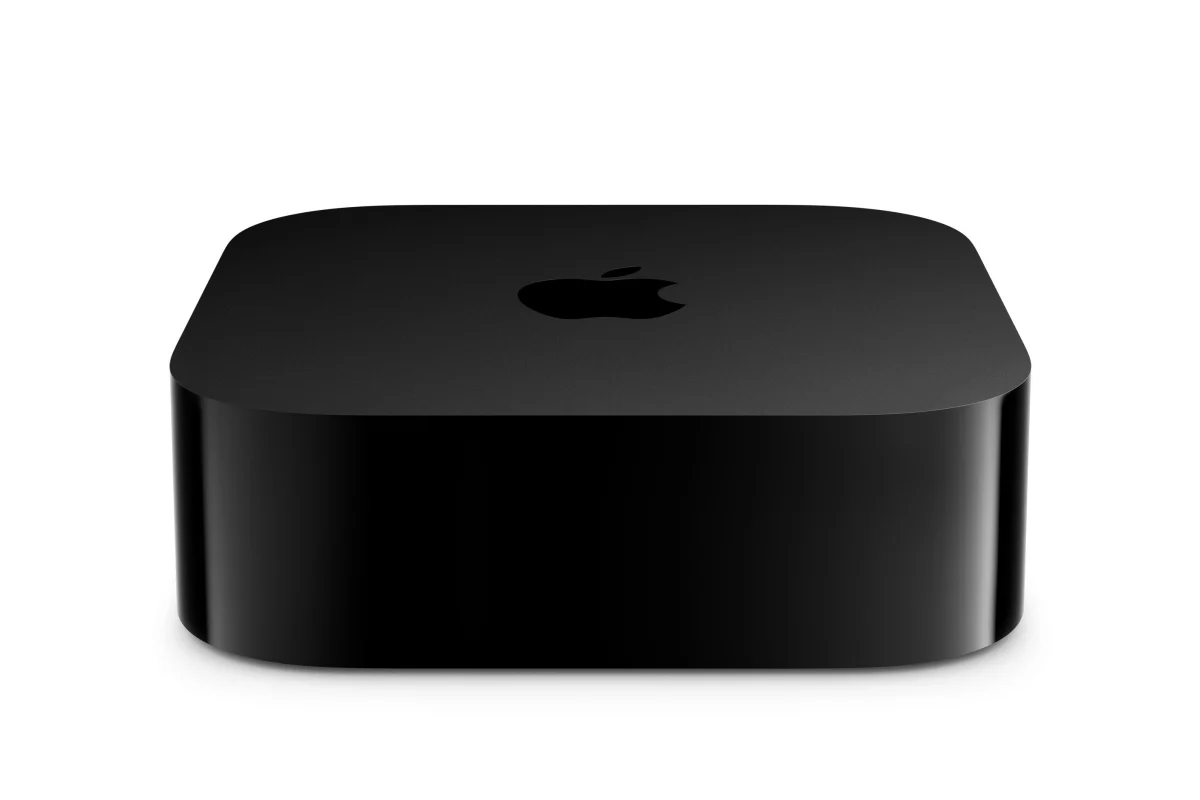
Recent reports suggest Apple is methodically preparing to launch a formidable new offensive within its living room entertainment and gaming ecosystem. With the impending release of iOS 27 and a completely revitalized Siri AI, the somewhat stagnant Apple TV 4K is heavily expected to receive a massive hardware overhaul this fall. Furthermore, beta software code unexpectedly leaked evidence that Apple is actively developing a proprietary game controller. The company will likely release this accessory under the popular Beats brand, finally completing the elusive final piece of its gaming hardware puzzle.
Transforming Apple TV 4K into an AI Hub
According to Bloomberg’s Mark Gurman discussing Apple’s upcoming hardware roadmap, Apple deliberately delayed several smart home hardware announcements. They strategically waited for the software architectures underpinning Apple Intelligence and the new Siri AI to fully mature. Consequently, the next-generation Apple TV 4K should debut no later than this November.
To satisfy the immense computational demands of on-device AI models, the new Apple TV 4K will bypass incremental upgrades entirely. It will directly incorporate an A19 or A19 Pro chip, matching the immense power of the iPhone 17 series. Moreover, engineers will likely double its memory capacity, reaching an unprecedented 12 gigabytes. This staggering performance leap grants Siri AI vastly superior natural language understanding directly on the television. Additionally, it empowers HomeKit Secure Video cameras to analyze complex video feeds entirely on-device, substantially bolstering user privacy and security. Regarding its pricing strategy, the new Apple TV 4K should comfortably maintain the existing 199 and 249 dollar tiers, accompanied by a modernized Siri Remote.
Targeting Gamers with a Beats Game Controller
While drastically upgrading the Apple TV’s computational core, Apple clearly recognizes that awkward tactile controls represent the absolute greatest bottleneck to its gaming ecosystem’s growth.
Recently, astute developers excavated traces of two mysterious models designated “T6502” and “T1057” buried deep within the macOS Beta system code. These identifiers heavily suggest proprietary Apple game controllers. The analyzed code reveals that this controller will feature a comprehensive directional pad (D-Pad), dual analog sticks, and precise linear motor vibration feedback. Furthermore, it will house a gyroscope and accelerometer for nuanced motion controls.
Intriguingly, the Beats team will expectedly lead the development and marketing of this crucial accessory. Compared to the steep premium inevitably associated with the core Apple brand, the Beats moniker allows the controller to enter the market at a far more competitive price point. Utilizing more vibrant, dynamic material designs will likely attract the massive, lucrative demographic of iPhone and Apple TV gamers.
Quietly Infiltrating the Home Console Market
Historically, Apple’s promotional efforts within the demanding “AAA gaming” sphere have consistently appeared tepid and underpowered. Even as acclaimed blockbuster titles are ported directly to iOS and Mac, the glaring absence of a first-party controller continuously convinces core players that Apple simply remains uncommitted to serious gaming.
The convergence of these two major developments reveals a radically divergent strategic ambition for Apple’s gaming and home entertainment sectors. Powered by the A19 chip, and benefiting from continuous power delivery and active thermal dissipation, the actual graphic rendering capabilities of the new Apple TV 4K can rival or even surpass certain commercial home consoles. When paired with an affordably priced, first-party Beats controller, the Apple TV 4K fundamentally evolves. It transitions from a mere “television streaming box” into a highly competitive “micro AI gaming console.”
This calculated encirclement tactic coupling a foundational leap in computational power with a perfected peripheral experience is remarkably shrewd. It represents a brilliant strategy for Apple to gradually erode the casual and mid-core living room gaming market, all without engaging in a direct, grueling confrontation with entrenched giants like Sony and Microsoft.
Support Our Threat Intelligence
If you find our technology report and cybersecurity news helpful, consider supporting our work.
 Buy Me a Coffee
PayPal
Buy Me a Coffee
PayPal