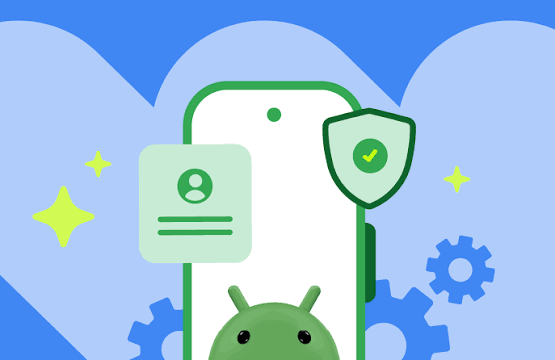
Google has initiated the deployment of a novel Android mode tailored for users seeking to install applications from unverified developers. While the corporation has preserved the freedom to sideload software, activating this mode is no instantaneous feat: the smartphone will compel the owner to endure a mandatory 24-hour waiting period before lifting the restriction.
Combating Malware Through Developer Verification
This new mechanism emerges amidst a rigorous verification campaign for Android developers. Google systematically links applications to verified individuals or legitimate organizations, deliberately complicating efforts by malware creators to resurface with fresh applications following prior bans. Since March, the company has successfully registered millions of applications, encompassing nearly the entirety of the Google Play repository alongside a substantial fraction of software from alternative sources.
This constraint exclusively targets unregistered applications originating from unverified developers who have deliberately chosen to withhold their identities. The conventional installation of registered software from digital storefronts, websites, messaging platforms, and file repositories necessitates no supplementary configuration. Furthermore, installations executed via the Android Debug Bridge will continue to function seamlessly without requiring developer verification, as corroborated by official Google documentation.
The 24-Hour Waiting Period Explained
To authorize the installation of unregistered applications without utilizing the Android Debug Bridge, a user must navigate to the developer options and enable the specific toggle for applications from unverified developers. Android will subsequently request identity authentication via the screen lock, issue a stark warning regarding potential fraudulent activity, and finally demand a smartphone reboot. Upon restarting, the mandatory 24-hour waiting period officially commences.
Google justifies this deliberate delay as a vital protective measure against scammers who, during a voice call, manipulate victims into altering security settings and installing malicious software. The mandated reboot effectively severs any active telephone call or remote management session, while the 24-hour interval affords the owner ample time to independently scrutinize the request. Following this waiting period, the mode can be activated for either a seven-day duration or indefinitely. When attempting to install a suspicious application, Android will persist in displaying a cautionary warning; nevertheless, the user retains the ultimate autonomy to proceed with the installation regardless.
Should the user disable this mode, Android grants a brief ten-minute grace period to reactivate it without enduring another diurnal wait. While the mode remains deactivated, previously installed unregistered applications cannot be updated through conventional methods.
Global Rollout and Future Implications
The inaugural mandatory verifications will commence on September 30, 2026, targeting certified devices running Android 7 and subsequent iterations across Brazil, Indonesia, Singapore, and Thailand. During this preliminary phase, these stringent requirements will impact Google Play, the HONOR App Market, OPPO App Market, Galaxy Store, Palm Store, V-Appstore, and GetApps. Concurrently, direct application sideloading and third-party digital storefronts excluded from this list will remain unencumbered by the new restrictions for the time being. On a global scale, Google envisions extending these rigorous requirements to applications on all certified devices by 2027.
The core responsibility for this validation process lies with the Android Developer Verifier system service, which Google is progressively deploying to devices. For students and amateur developers, the corporation has thoughtfully arranged complimentary accounts featuring streamlined requirements. Through these simplified accounts, developers can distribute their applications to a maximum of 20 pre-authorized devices.
Support Our Threat Intelligence
If you find our technology report and cybersecurity news helpful, consider supporting our work.
 Buy Me a Coffee
PayPal
Buy Me a Coffee
PayPal