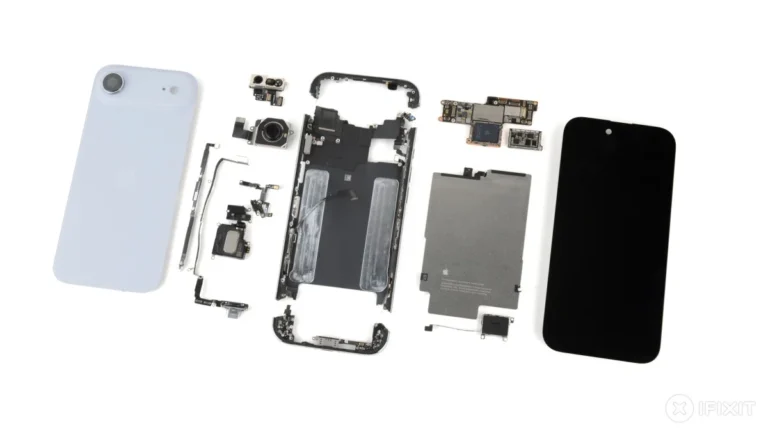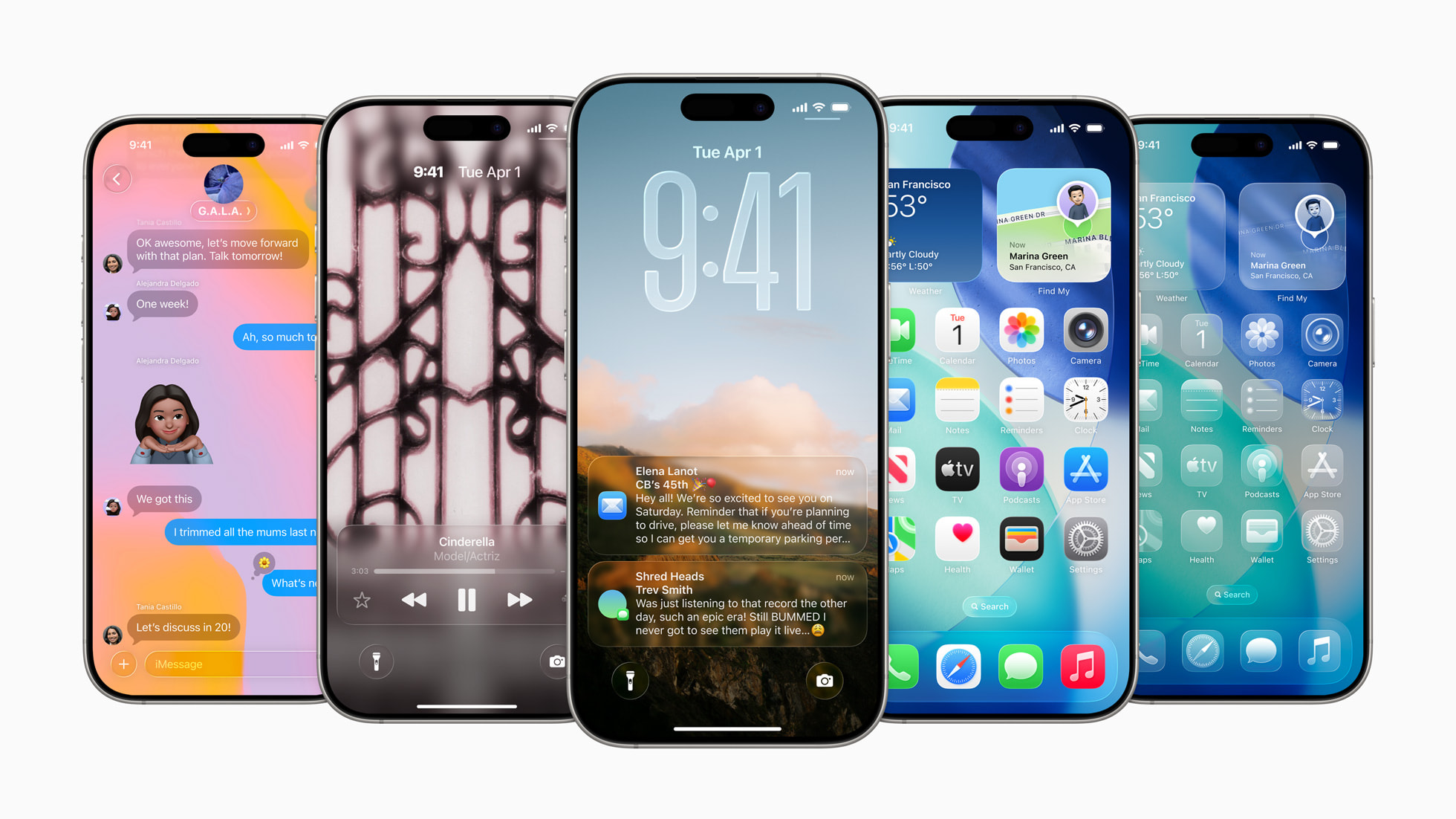
Following the official release of the iPhone 18 Pro series, Apple swiftly deployed a system update. This crucial patch addresses initial software anomalies and enhances advanced applications. The newly unveiled iOS 27.0.1 resolves a critical Face ID malfunction. This specific flaw previously precipitated unexpected device reboots. Furthermore, the broader iOS 27 ecosystem quietly integrates a formidable defense mechanism against social engineering fraud. It also introduces comprehensive updates to Final Cut Camera and Creator Studio tailored for professional visual creators.
iOS 27.0.1 Rescues the iPhone 18 Pro
Numerous iPhone 18 Pro and iPhone 18 Pro Max users recently reported severe grievances. They experienced abrupt device reboots following Face ID authentication failures. Apple issued an emergency remediation via the iOS 27.0.1 update. You can discover more details regarding these security implementations in recent official support documentation. Previously, this software defect persisted even when consumers acquired replacement devices from the Apple Store.
Additionally, this update eliminates photographic discoloration artifacts. These visual flaws occasionally manifested during 2x zoom captures on the iPhone 18 Pro. It also rectifies a persistent interface anomaly. Simultaneously pulling down the Notification Center and Control Center would induce a system freeze. This issue necessitated a forced reboot to restore basic functionality. Some patrons utilize older hardware and remain unready to embrace the Siri AI and Liquid Glass interfaces of iOS 27. For these users, Apple concurrently released iOS 26.7. This legacy update exclusively incorporates essential security patches.
The Invisible Security Sentinel
Beyond bug rectifications, Apple discreetly incorporated a monumental security feature into iOS 27 and iPadOS 27. They dubbed this defensive layer “Impersonation Risk Detection.” It distinguishes itself from traditional two-factor authentication designed to thwart brute-force attacks. Instead, this novel capability specifically combats social engineering fraud. In these deceptive schemes, malefactors masquerade as banking or government institutions. They deceive victims into willingly surrendering passwords or verification codes.
This function relies entirely upon on-device computation. It instantaneously analyzes the user’s interaction patterns, operational timing, and sensor telemetry. A user might execute sensitive maneuvers, such as modifying a password or initiating a financial transfer. During these actions, compatible applications can request a real-time risk assessment from the system. The system subsequently returns a risk evaluation of unknown, moderate, or high. This metric empowers the application to mandate supplementary identity verification or force a halt. Adversaries might attempt to coerce victims into disabling this safeguard. To prevent this vulnerability, Apple judiciously implemented a mandatory 24-hour deactivation buffer.
Unleashing Hardware Potential
Within the realm of professional creation, Apple officially rejuvenated Final Cut Camera. This software perfectly unlocks the variable aperture hardware design of the iPhone 18 Pro series. A meticulously redesigned interface grants creators highly intuitive control over ISO and white balance. Users also gain the capability to remotely manipulate aperture parameters via an adjacent iPad or Mac. Simultaneously, Final Cut Pro and Motion now support sophisticated post-production editing. Editors can seamlessly manipulate depth of field and focus points for footage captured on the iPhone 18 Pro.
Furthermore, Apple expanded the functionalities of its 13-dollar monthly Creator Studio subscription service. Subscribers can now leverage AI within Keynote. This integration generates imagery automatically tailored to their presentation contexts. Additionally, the iPad iteration of Pixelmator Pro officially inherits formidable masking tools from its Mac counterpart. Even non-subscribers can experience Apple Intelligence writing tools within Freeform. They can also utilize the newly introduced trigonometric and logical formulas natively in Numbers.
Apple’s Commitment to Invisible AI
We can elevate our perspective to survey recent tectonic shifts across the technology industry. Google is aggressively retiring ChromeOS to transition entirely toward Googlebook OS. This strategic move fundamentally integrates Android and Gemini computing power. Meanwhile, OpenAI unveiled Dots, a resident assistant boasting an independent cloud computer. Meta deeply intertwined Muse into enterprise operations and smart eyewear. These titans are frantically endeavoring to demonstrate the omnipresent prowess of AI agents to consumers.
Conversely, the strategy Apple manifests in iOS 27 remains steadfastly anchored to its philosophy of Invisible AI. We can view Impersonation Risk Detection as a prime illustration. Apple eschewed the creation of a conversational, intrusive virtual security guard. Instead, it harnesses its formidable neural engine to silently analyze sensors and behavioral patterns in the background. This edge computing application adheres to the supreme guiding principle of retaining data locally. Protecting user privacy stands in stark contrast to AI assistants reliant on perpetual cloud connectivity.
On another front, these software updates illuminate Apple’s enduring vision for spatial computing. Unlocking the variable aperture and profound editing capabilities serves a broader architectural purpose. It does not merely promote the Creator Studio subscription. It dramatically enriches the spatial imaging content repository. Apple will likely unveil screenless smart glasses in late 2027 or a redesigned Vision Pro in 2028. These millions of iPhones feature potent 3D depth and professional image capture capabilities. They will constitute the most formidable content creation vanguard sustaining Apple’s wearable computing empire.
Support Our Threat Intelligence
If you find our technology report and cybersecurity news helpful, consider supporting our work.
 Buy Me a Coffee
PayPal
Buy Me a Coffee
PayPal