Just weeks after launching the personal AI assistant Muse for general consumers to great acclaim, Meta swiftly pivoted toward the commercial sector. Consequently, the company officially introduced a dedicated Muse variant for small and medium-sized business (SMB) operators. This enterprise-grade agent directly connects with professional Instagram and Facebook accounts alongside their advertising backends. Furthermore, it seamlessly integrates with over a dozen leading third-party productivity and enterprise management applications. Ultimately, Meta seeks to forge a comprehensive digital operational hub.
Penetrating the Core of Meta Advertising
The primary highlight of Muse for SMBs lies in its profound access to the proprietary commercial ecosystem created by Meta. Operators simply grant authorization. Then, Muse directly retrieves backend analytics from Facebook and Instagram business and creator accounts. It seamlessly connects with ad accounts as well. This integration empowers Muse to conduct profound analyses of social media post performance and ad campaign conversion rates. Moreover, it can autonomously generate subsequent social media strategies or targeting recommendations.
Transcending Closed Ecosystems
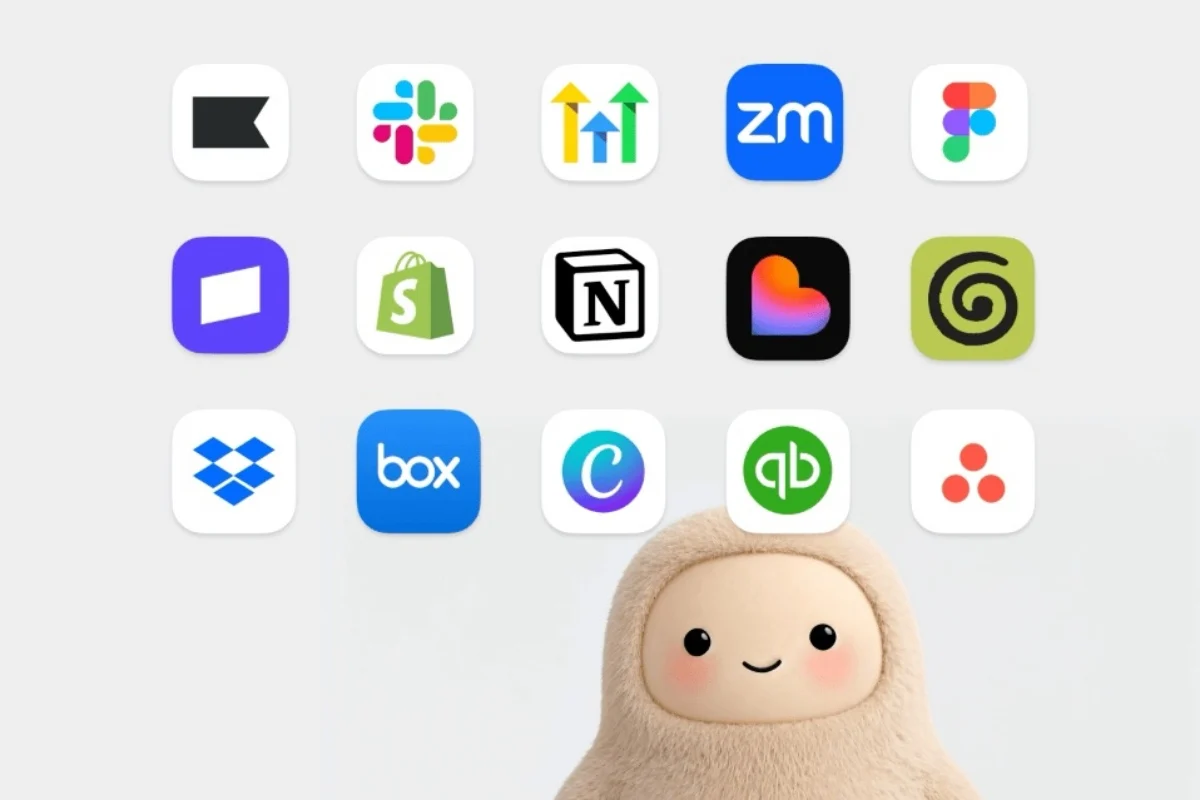
Meta clearly remains unsatisfied with merely building a proprietary ecosystem assistant. Therefore, to encompass all facets of enterprise operations, Muse announced support for numerous third-party cloud services. The integration roster includes Asana, Box, Canva, Dropbox, Figma, Granola, HighLevel, Intuit QuickBooks, Klaviyo, Lovable, Notion, Shopify, Slack, Stripe, and Zoom. By synthesizing this cross-disciplinary data, Muse executes complex tasks with a strategic, macroscopic vision.
Promising Application Scenarios
Meta officially demonstrated several highly practical command scenarios:
- Financial Auditing: “Analyze the financial performance of the company this month and identify any irregular expenditure items.”
- Daily Task Filtration: “I am completely overwhelmed right now. Please filter my emails, calendar, and news for critical updates, and identify tasks you can handle directly.”
- Annual Growth Planning: “Comprehensively analyze sales figures, marketing campaigns, and social media performance this year to formulate a growth strategy for achieving next year’s business objectives.”
Free Fundamental Quotas and Risk Considerations
Alongside this SMB-focused release, Meta recently announced enterprise-level AI services for massive corporations. Clearly, the company actively monetizes its artificial intelligence research and development. Regarding pricing strategy, Muse for SMBs mirrors the consumer version. It provides a free quota sufficient for standard daily requirements. However, users must purchase an additional subscription for high-intensity or highly frequent computations.
Navigating Privacy and Security Risks
Nevertheless, surrendering comprehensive access to financial flows, internal communications, and core marketing data to a singular AI agent inevitably entails privacy and security risks. Meta emphasizes that multiple security architectures safeguard Muse. Yet, occasional AI hallucinations or instruction misinterpretations could precipitate unforeseen losses in commercial decision-making environments.
Solving Digital Advertising Fragmentation
Independent webmasters and SMB teams often juggle website operations, technical SEO, digital advertising optimization, and cross-platform content creation simultaneously. Consequently, navigating various fragmented software tools daily remains a significant pain point. The new “Muse for Small Business” strategy wields immense disruptive potential here.
Imagine a common workflow scenario. You might notice anomalies in your website revenue structure or Meta ad conversion rates. Instantly, you can instruct Muse within a chat interface to fetch ad backend data. Next, you request it to generate new testing assets using Canva templates. Finally, Muse dispatches the complete optimization report and asset files directly to your team’s Slack channel or saves them in Dropbox. This cross-platform automation shatters application silos and drastically lowers the threshold for data-driven decision-making.
However, this service presents a double-edged sword regarding the baseline of data authorization. When a company fully exposes its most vital revenue data and internal communication logs to Meta models, it essentially outsources its commercial brain. Therefore, teams adopting this service face a critical new challenge. They must enjoy the efficiencies of cross-platform automation while simultaneously maintaining robust permission firewalls to protect trade secrets.
Support Our Threat Intelligence
If you find our technology report and cybersecurity news helpful, consider supporting our work.
 Buy Me a Coffee
PayPal
Buy Me a Coffee
PayPal