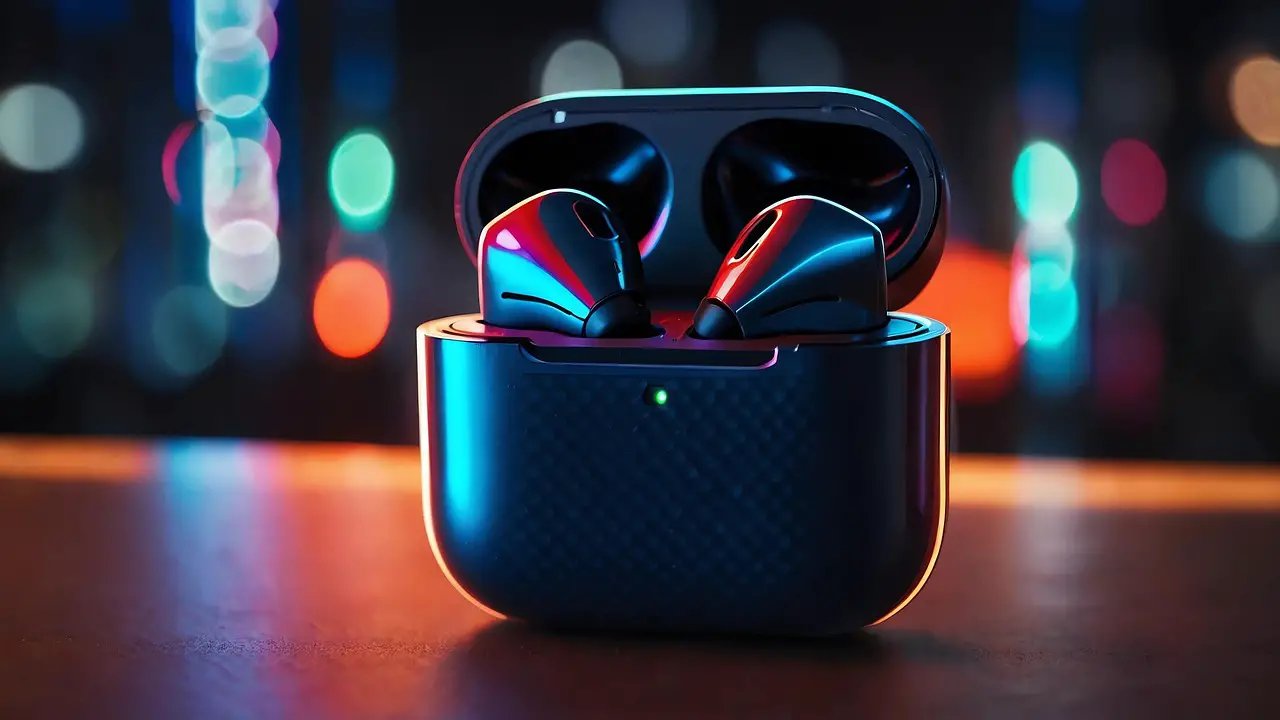
As the AirPods product lineage has progressively integrated an increasingly sophisticated array of high-fidelity features—including Spatial Audio, gestural head-tracking, and dedicated hearing-aid modalities—the legacy configuration interface sequestered within the system architecture has devolved into a state of acute congestion. According to Bloomberg correspondent Mark Gurman, while Apple currently eschews the deployment of a standalone management application for its audio peripherals, the forthcoming iOS 27 update, scheduled for reveal next month, will catalyze a radical, foundational reconstruction of the AirPods settings menu. This initiative is explicitly designed to rectify the systemic obfuscation and cluttered information hierarchy currently plaguing the user experience.
The “UI Catastrophe” Precipitated by Feature Volumetric Expansion
Historically, the immediate manifestation of a dedicated configuration portal upon initializing an AirPods-to-iPhone handshake served as a masterclass in intuitive design. During the infancy of the AirPods ecosystem, this paradigm was superlative, given that the configuration mandate was limited to rudimentary double-tap orchestration and ear-detection toggles.
However, as the AirPods portfolio has matured, Apple has aggressively populated the firmware with a cascading stream of innovative utilities: sophisticated Active Noise Cancellation (ANC) and Transparency mode toggles, Spatial Audio calibration suites, gestural head-tracking inputs, and the recently unveiled sleep-monitoring and clinical-grade hearing-aid integrations. These disparate functionalities have been retroactively crammed into a UI framework originally architected for the nascent, minimalist generation. The resulting configuration viewport is now excessively elongated, visually dense, and fundamentally devoid of a coherent information taxonomy, frequently obstructing users from rapidly isolating mission-critical features.
iOS 27: Toward a Redesigned, Stratified Configuration Architecture
Per Mark Gurman’s intelligence, Apple will enact a comprehensive reconfiguration of this menu architecture within iOS 27.
Gurman posits that the revitalized layout will manifest with superior functional density, programmatic stratification, and aesthetic refinement. While peripherals such as the Apple Watch and Vision Pro command discrete, standalone management applications, AirPods are projected to maintain their residency within the system-level “Settings” container. The novel interface design will fundamentally re-orchestrate the information hierarchy, ensuring that high-frequency, core interactions are prioritized within the immediate visual foreground. This comprehensive UI reconstruction is anticipated to propagate synchronously across the broader Apple ecosystem, including iPadOS 27 and macOS 27.
The Equilibrium Between Invisible Integration and Standalone Utility
For a significant duration, a vocal contingent of the user base has petitioned Apple to emulate industry standards set by Sony or Bose, demanding the deployment of an independent AirPods application. Yet, the current intelligence reinforces Apple’s steadfast adherence to its founding design philosophy: AirPods must function as an “invisible” extension of the Apple ecosystem, rather than an external peripheral requiring the intentional invocation of a secondary application to achieve administrative control.
The tactical cost of maintaining this “invisible integration,” however, is that as feature complexity accelerates, the structural capacity of the system settings menu reaches an asymptote. The interface reconstruction arriving with iOS 27 represents Apple’s strategic endeavor to achieve a precarious equilibrium—preserving the foundational tradition of deep, low-level integration while simultaneously furnishing these advanced audio capabilities with a modernized, intuitive management viewport.
As the WWDC 2026 symposium looms, while the discourse is dominated by the monumental revitalization of Siri (leveraging the Google Gemini architecture), it is precisely these meticulous refinements to daily experiential logic and interface fluidity that may ultimately constitute the most tangible and impactful dimensions of the iOS 27 upgrade.
Support Our Threat Intelligence
If you find our technology report and cybersecurity news helpful, consider supporting our work.
 Buy Me a Coffee
PayPal
Buy Me a Coffee
PayPal