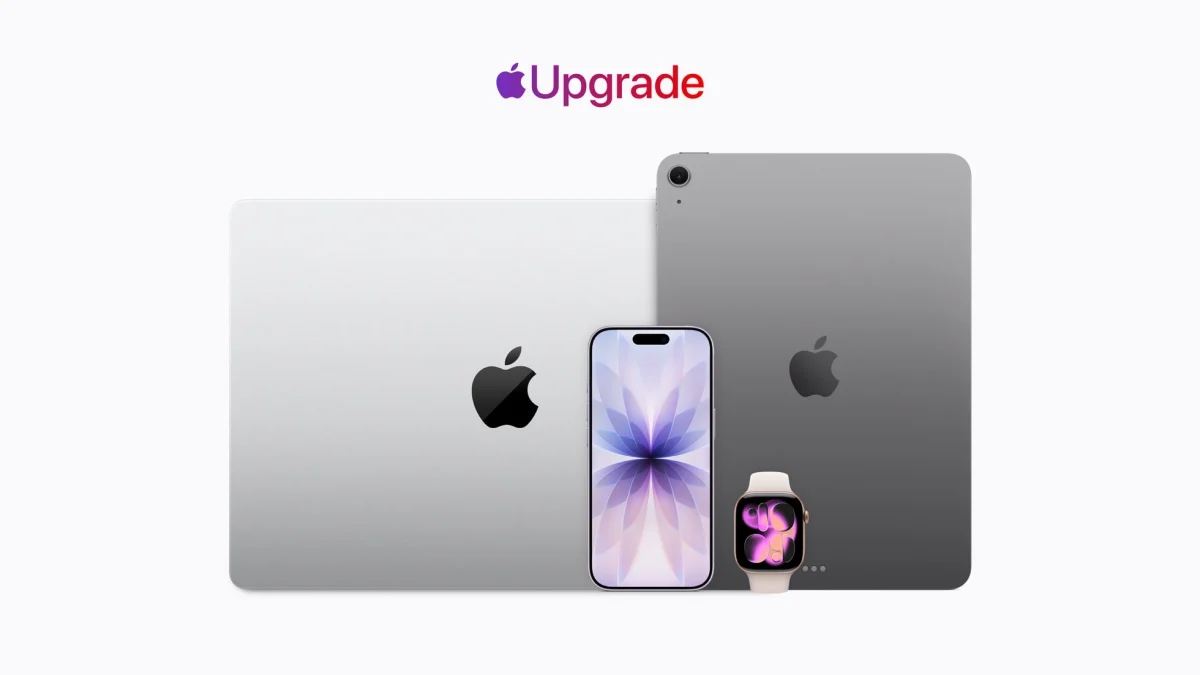
Confirming recent market speculation, Apple officially announced its Apple Upgrade device leasing program in the United States on July 28. Partnering with the Swedish financial technology pioneer Klarna, Apple has drastically expanded its leasing ecosystem. Consequently, the program transcends the traditional iPhone boundary, encompassing Mac, iPad, and Apple Watch product lines.
This strategic maneuver represents the ultimate realization of Apple’s long-rumored hardware subscription model. Not only does it replace the venerable iPhone Upgrade Program, but it also introduces a flexible rent-to-own paradigm. In a year characterized by escalating hardware costs, this initiative aims to successfully reignite consumer purchasing desires.
Lease Durations and Pricing Tiers
According to the official details released by Apple and Klarna, the program tailors lease options based on product lifecycles and retail prices. Notably, the program sets distinct leasing durations:
- iPhone and Apple Watch: Offers 12-month or 24-month lease terms. Monthly payments commence at a modest $17.99 and $11.99, respectively.
- Mac and iPad: Provides 24-month or 36-month lease arrangements. Minimum monthly payments begin at $24.99 and $11.99, respectively.
However, Apple intentionally excluded specific hardware from this initiative. To incentivize the acquisition of premium devices, entry-level products are currently ineligible. This exclusion list features select older iPhones, the newly released MacBook Neo, the Apple Watch SE, and the entry-level iPad. Furthermore, enterprise and educational procurement programs remain excluded from this leasing service.
Three Core Transformations: Embracing Leasing Freedom
Compared to the legacy iPhone Upgrade Program, the new Apple Upgrade model introduces three fundamental transformations.
Unbundling AppleCare+
The previous iPhone Upgrade Program mandate automatically incorporated AppleCare+ extended warranty and accidental damage coverage into the monthly fee. Conversely, the new Apple Upgrade solely covers the hardware lease. Therefore, consumers desiring comprehensive protection must purchase an AppleCare+ subscription separately. While the base monthly fee appears significantly more attractive, users must independently evaluate the necessity of additional protection.
End-of-Lease Flexibility
Upon lease expiration, users possess unprecedented elasticity regarding their devices:
- Upgrade: Return the current device and immediately transition to the latest generation, initiating a brand-new lease cycle.
- Purchase: Remit an agreed-upon final balloon payment (similar to an automotive lease residual value) to assume full ownership.
- Return: Surrender the device to Apple without incurring additional fees, gracefully exiting the program.
Frictionless Financial Approval
As the primary financial partner, Klarna facilitates an exceptionally streamlined application process. When applying online or at a retail location, Klarna conducts a soft credit check. Consequently, this evaluation does not negatively impact the applicant’s credit score, dramatically lowering the barrier to entry. Moreover, utilizing Apple Trade In can further diminish monthly payments. Finally, remitting lease payments via Apple Card yields an additional 3% Daily Cash reward.
The Demise of the iPhone Upgrade Program
With the triumphant launch of Apple Upgrade, Apple officially discontinued the legacy iPhone Upgrade Program and iPhone Payments in the US market. Current subscribers can easily transition to Apple Upgrade upon lease expiration. Alternatively, they may utilize Apple Card monthly installments or carrier-provided financing options.
Strategic Commercial Analysis
Launching Apple Upgrade represents a masterclass in risk delegation and psychological pricing. Firstly, it effectively mitigates the inevitable sticker shock associated with rising prices. Recently, memory chip shortages and surging AI infrastructure demands forced Apple to increase Mac and iPad pricing. By deconstructing exorbitant total costs into manageable monthly installments, Apple successfully lowers the psychological barrier for consumers, sustaining premium sales momentum.
Secondly, Apple elegantly outsources its financial risk. Previously, Apple contemplated managing hardware subscriptions internally but paused due to regulatory compliance burdens and default risks. By aligning with Klarna, Apple successfully transfers credit evaluations, capital advancements, and default liabilities to a specialized financial partner. Consequently, Apple remains focused entirely on hardware innovation and ecosystem expansion.
Consumer Economics: To Lease or Not to Lease?
Does the Apple Upgrade program offer genuine financial value to consumers? Consider an iPhone 17 Pro Max (256GB) retailing for $1,199. Selecting a 24-month Apple Upgrade lease necessitates a $34.99 monthly payment. Consequently, the user remits $839.76 over 24 months, ultimately returning the device with zero residual asset value.
Conversely, purchasing the device outright requires an immediate $1,199 expenditure. However, after 24 months, the device retains approximately 40% to 45% of its value (roughly $480 to $540) on the secondary market. Therefore, the actual cost of ownership drops to roughly $689. From a purely economic standpoint, leasing actually exceeds the net cost of purchasing and reselling.
Yet, the authentic value of the Apple Upgrade program lies in its inherent convenience. It eliminates the daunting requirement of a massive upfront payment and circumvents the hassle of privately selling a depreciated device. For enthusiasts desiring the latest technology annually, it prioritizes absolute convenience over strict economic efficiency.
Support Our Threat Intelligence
If you find our technology report and cybersecurity news helpful, consider supporting our work.
 Buy Me a Coffee
PayPal
Buy Me a Coffee
PayPal