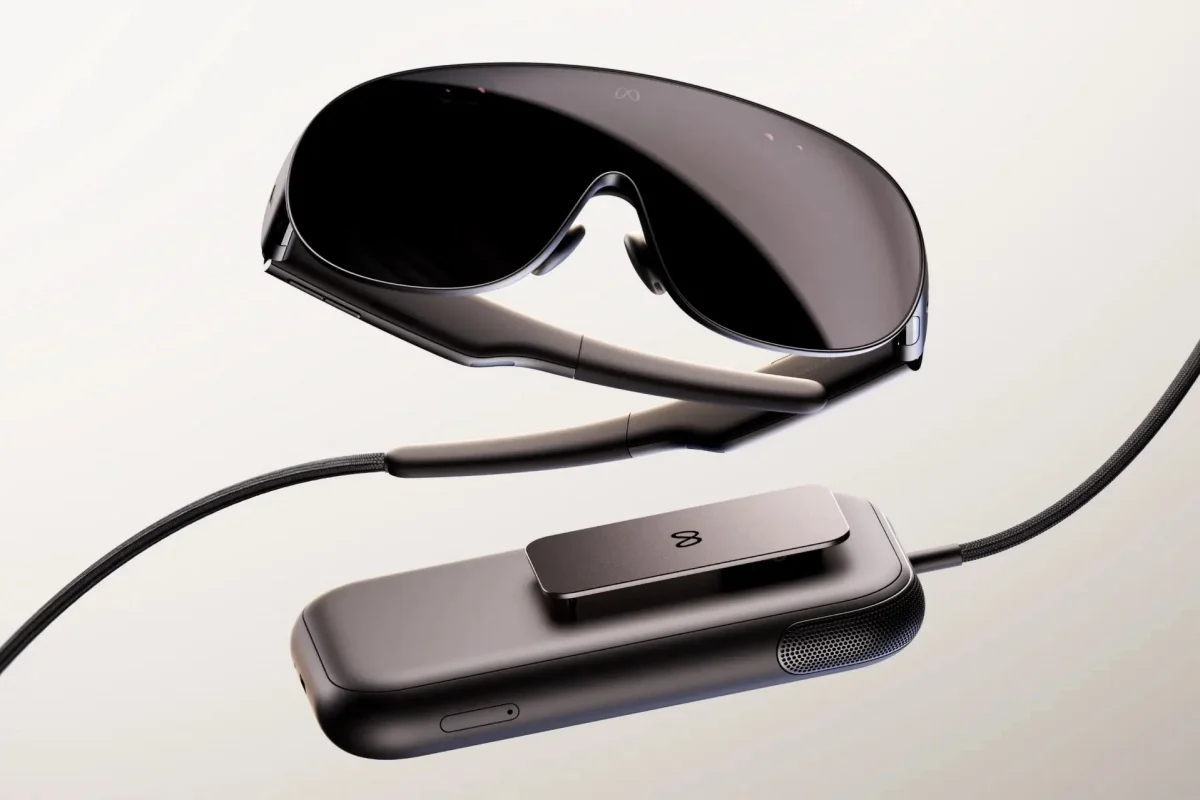
Following Meta’s spectacular showcase of novel wearable devices at the Connect 2026 conference, fresh intelligence has surfaced regarding Apple’s strategic maneuvers within the smart glasses and spatial computing arenas. Renowned Bloomberg correspondent Mark Gurman, in his authoritative “Power On” newsletter, disclosed that Apple is aggressively recalibrating its headset and wearable product roadmap. Their inaugural smart glasses are currently targeted for a late 2027 debut, while the highly anticipated next-generation Vision Pro faces profound developmental tribulations.
Apple’s Answer to Ray-Ban: Screenless Glasses by 2027
Gurman emphasizes that Apple has established a late 2027 launch window for its first foray into smart glasses. This projection corroborates previous assertions by prominent analyst Ming-Chi Kuo, solidifying Apple’s medium-to-long-term timeline for this specific product category.
To circumvent the unforgiving physical limitations of contemporary optical technology concerning weight and battery longevity, current intelligence indicates that this inaugural Apple iteration will adopt a drastically minimalist, “screenless” architecture. This suggests the product positioning of Apple’s first smart glasses will closely mirror the currently immensely popular Meta Ray-Ban. They will predominantly rely upon an integrated camera module, a sophisticated microphone array, and speakers, all deeply intertwined with an upgraded Siri and advanced AI visual recognition capabilities, thereby delivering voice and audio-centric interactive services.
Consequently, the realization of authentic augmented reality glasses boasting visual feedback and comprehensive holographic displays remains several years away. Furthermore, Gurman revealed that Apple is concurrently exploring radically new wearable paradigms, including “camera-equipped AirPods” and a “screenless health tracker band.”
Vision Pro Development Flounders: Project N224 Explores Computational Segregation
Regarding flagship spatial computing hardware, rumors persist that the successor to the original Vision Pro is currently enduring severe engineering and design conflicts. The report indicates that Apple’s Vision division is furiously developing a novel headset internally codified as “N224,” with engineers actively scrutinizing four radically different design concepts.
A central, agonizing point of contention revolves around the potential adoption of a “computational segregation” architecture. This paradigm involves physically relocating specific processing components away from the primary headset chassis into an external computational module, or “puck.” This drastic measure aims to significantly alleviate head-borne weight and drastically reduce manufacturing costs.
However, seemingly haunted by the pervasive negative feedback surrounding the original Vision Pro’s tethered external battery, certain senior Apple executives vehemently argue that such a segregated design would catastrophically degrade the user experience. Consequently, they strongly favor an all-in-one, fully integrated approach. Yet, maintaining an all-in-one design while simultaneously achieving substantial weight and cost reductions constitutes a monumental engineering hurdle. Gurman even characterized the project as currently residing on “life support.” If this endeavor eventually reaches fruition, current estimates suggest a launch no earlier than late 2028 or early 2029.
The Wearable Crucible: Apple’s Deliberate Pace Versus Meta’s Aggression
This latest product roadmap projection vividly illustrates Apple’s struggle to find a pragmatic equilibrium in its spatial computing strategy. They are visibly retreating from the unyielding perfectionism that birthed the Vision Pro, a device attempting to definitively establish the ultimate experience in a single stroke and reluctantly accommodating harsh market realities.
The decision to launch screenless AI smart glasses in 2027 represents a distinctly defensive maneuver in direct response to the unprecedented triumph of the Meta Ray-Bans. However, by the time Apple finally unveils its first-generation “voice-activated smart glasses” in late 2027, Meta will likely be actively deploying mature AR glasses featuring true holographic display technology (such as a commercialized iteration of Project Orion) to the broader consumer market. Apple’s hardware release cadence is conspicuously lagging.
Conversely, the agonizing indecision plaguing the next-generation Vision Pro vacillating between an “all-in-one” versus an “external computational puck” design magnifies Apple’s profound internal anxiety regarding the optimal form factor for spatial computing hardware. While Meta has decisively and aggressively launched its highly affordable, 100-gram Meta VR Glasses leveraging a segregated computational architecture, Apple’s relentless internal tug-of-war between demanding absolute integration and appeasing the lightweight consumer market is hemorrhaging their invaluable temporal advantage.
Over the ensuing two to three years, the ultimate question remains whether Apple can leverage the formidable strength of its impending Apple Intelligence ecosystem to triumph despite its late arrival. This will be the defining battle dictating whether their wearable empire can successfully perpetuate its hegemony throughout the post-smartphone epoch.
Support Our Threat Intelligence
If you find our technology report and cybersecurity news helpful, consider supporting our work.
 Buy Me a Coffee
PayPal
Buy Me a Coffee
PayPal