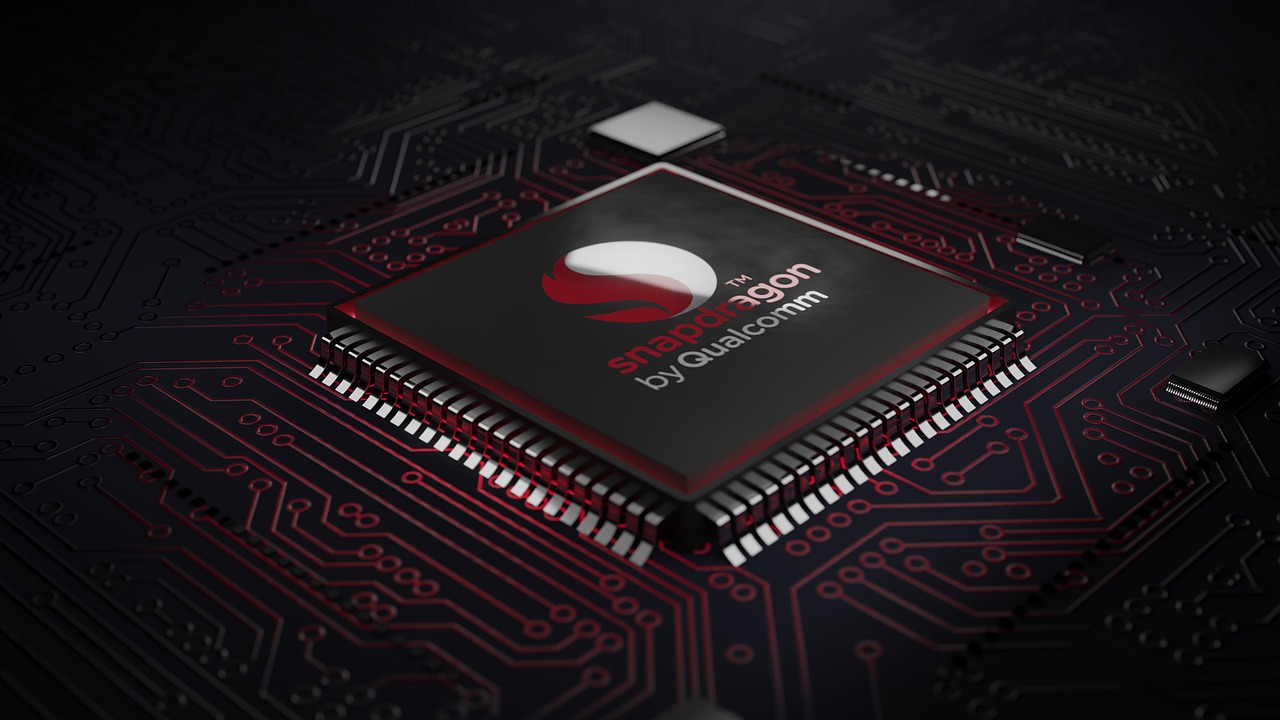
Qualcomm recently issued a remarkably brief statement, officially confirming a monumental industry development as Qualcomm announces renewal of global patent license agreement with Apple. This crucial technological pact is formally scheduled to take effect on April 1, 2027.
However, in stark contrast to previous announcements that explicitly detailed the precise duration of the partnership, Qualcomm conspicuously omitted any mention of the agreement’s new expiration date. Furthermore, the corporation abstained from elaborating on the specific technological components encompassed by the license. John Han, the Executive Vice President and General Manager of Qualcomm Technology Licensing (QTL), merely expressed his profound satisfaction with Apple’s pragmatic decision to prolong their mutual collaboration.
The Reality of Apple’s Custom 5G Modems
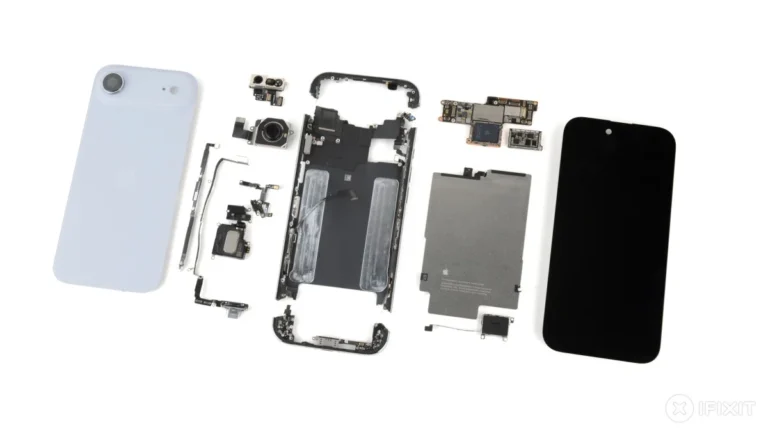
Observing the recent technological synergy between the two behemoths, industry analysts note that Apple has progressively integrated its proprietary 5G modems – including the highly anticipated C1, C1X, and C2 iterations – into its latest iPhone lineup. This strategic maneuver aims to systematically diminish overarching reliance on Qualcomm’s physical hardware. Nevertheless, models destined for specific, demanding regional markets, such as the iPhone 18 Pro series distributed within the United States this year, steadfastly retain Qualcomm’s 5G connectivity chips. This ongoing reliance clearly indicates that under particular network environments and stringent frequency conditions, Apple currently remains dependent upon Qualcomm’s mature technical infrastructure.
Foundational Patents Dictate Industry Terms
From a broader perspective concerning the rapid evolution of mobile network specifications, Apple unequivocally struggles to entirely circumvent the colossal portfolio of foundational communication patents that Qualcomm has meticulously cultivated over decades. Consequently, even as Apple aggressively elevates the internal adoption rate of its custom silicon modems, both corporate entities remain bound by the unavoidable necessity to negotiate licensing for these indispensable technologies.
This persistent dynamic certainly does not imply that Apple’s connectivity prowess relies solely upon physical Qualcomm hardware. Rather, it underscores the harsh reality that numerous crucial, foundational communication patents rest firmly in Qualcomm’s legal grasp. Thus, Apple must pragmatically maintain these licensing agreements to avert frivolous, disruptive patent litigation, thereby guaranteeing the seamless, uninterrupted distribution of its innovative products across the highly competitive global market.
Support Our Threat Intelligence
If you find our technology report and cybersecurity news helpful, consider supporting our work.
 Buy Me a Coffee
PayPal
Buy Me a Coffee
PayPal