While actively advancing various artificial intelligence applications, Microsoft is refocusing its attention on fundamental system experiences. Mark Linton, Microsoft Corporate Vice President of Windows and Devices, recently confirmed this shift during the IFA 2026 exhibition. He announced that Microsoft is undertaking comprehensive system optimizations. Consequently, the company promises to enhance the fluidity of 8GB RAM devices running Windows 11. Furthermore, they will simultaneously accelerate system boot times and improve Windows Hello responsiveness.
Rescuing Multitasking on 8GB RAM Devices
Microsoft has long established 8GB of RAM as the official minimum requirement for Windows 11. However, practical daily usage paints a different picture. Once users open multiple browser tabs or engage in moderate multitasking, the underlying resource consumption becomes overwhelming. As a result, 8GB of memory quickly proves inadequate. In contrast, the Apple MacBook Neo maintains a remarkably smooth experience with the same 8GB of unified memory. Therefore, the market has consistently criticized the optimization of Windows 11 on entry-level hardware.
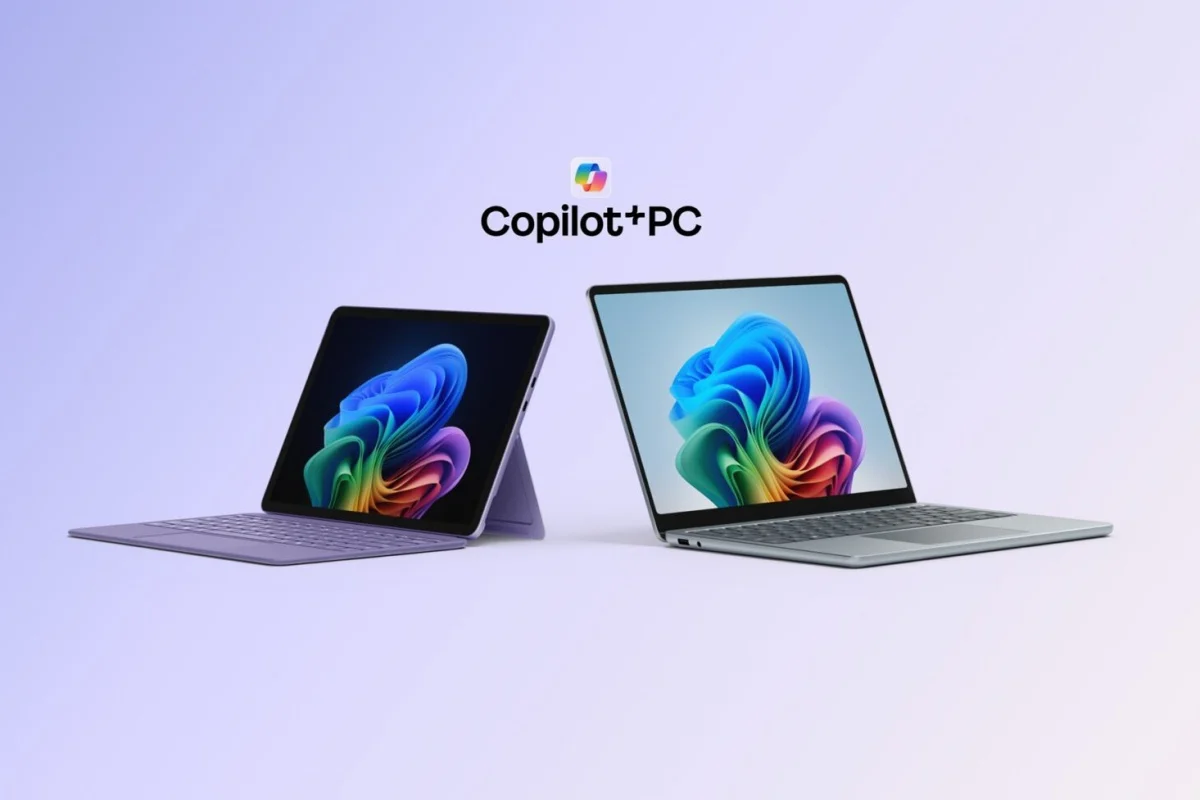
Global memory prices continue to soar. To control costs, many OEM manufacturers must retain 8GB configurations for mainstream and entry-level laptops in 2026. Even some of Microsoft’s recently launched Surface devices utilize these 8GB specifications. Unfortunately, these products initially faced negative market reviews regarding poor performance. In response, Mark Linton admitted the development team recognizes this glaring issue. Currently, they are actively pursuing deep optimizations for resource scheduling on 8GB machines. Ultimately, this effort ensures entry-level devices deliver a modern, fluid experience.
Boosting Boot and Windows Hello Speeds
The company is improving memory management mechanisms significantly. In addition, Mark Linton promised to streamline the entire Windows 11 boot sequence. Future updates will substantially reduce the time required to transition from a powered-off state to the desktop. Moreover, these enhancements will drastically improve the reaction speed of Windows Hello biometric authentication. Thus, the journey from waking the device to engaging in productive work will become seamless. For more context, Microsoft recently confirmed Windows 11 upgrades for faster boot and 8GB RAM PCs. Yet, they shared no specific performance numbers at this time.
Admittedly, Mark Linton did not provide a definitive timeline for these underlying performance upgrades. At present, the related optimization code remains in early internal testing phases. Microsoft has not yet implemented these changes in the Windows 11 Insider Preview builds released during IFA 2026. As such, users will likely need to wait a while longer. They will eventually experience these fundamental improvements through subsequent cumulative updates.
A Dual-Track Strategy for Modern Computing
Microsoft’s recent operating system strategy reveals an extreme dual-track approach. On one hand, the company introduced “Project Zenith” for high-end developers. This demanding operating system requires 64GB of RAM to run smoothly. It attempts to set a new benchmark for local AI agents and large-scale model computing. On the other hand, Microsoft faces the harsh reality of high memory costs. Accordingly, they must scramble to salvage the experience on 8GB entry-level devices, which dominate the broader market.
This strategic shift indicates a crucial realization. Microsoft finally acknowledges the frustration that operating system bloat causes ordinary consumers. They continue to integrate AI features like Copilot directly into the system. Nevertheless, if basic operations cannot remain fluid, no grand AI vision will convince consumers to upgrade. By improving foundational memory scheduling and boot efficiency, Microsoft rescues its affordable Surface lineup. Furthermore, they stabilize the essential entry-level market for the entire Windows OEM laptop ecosystem. This remains crucial during a year of elevated hardware prices.
Support Our Threat Intelligence
If you find our technology report and cybersecurity news helpful, consider supporting our work.
 Buy Me a Coffee
PayPal
Buy Me a Coffee
PayPal