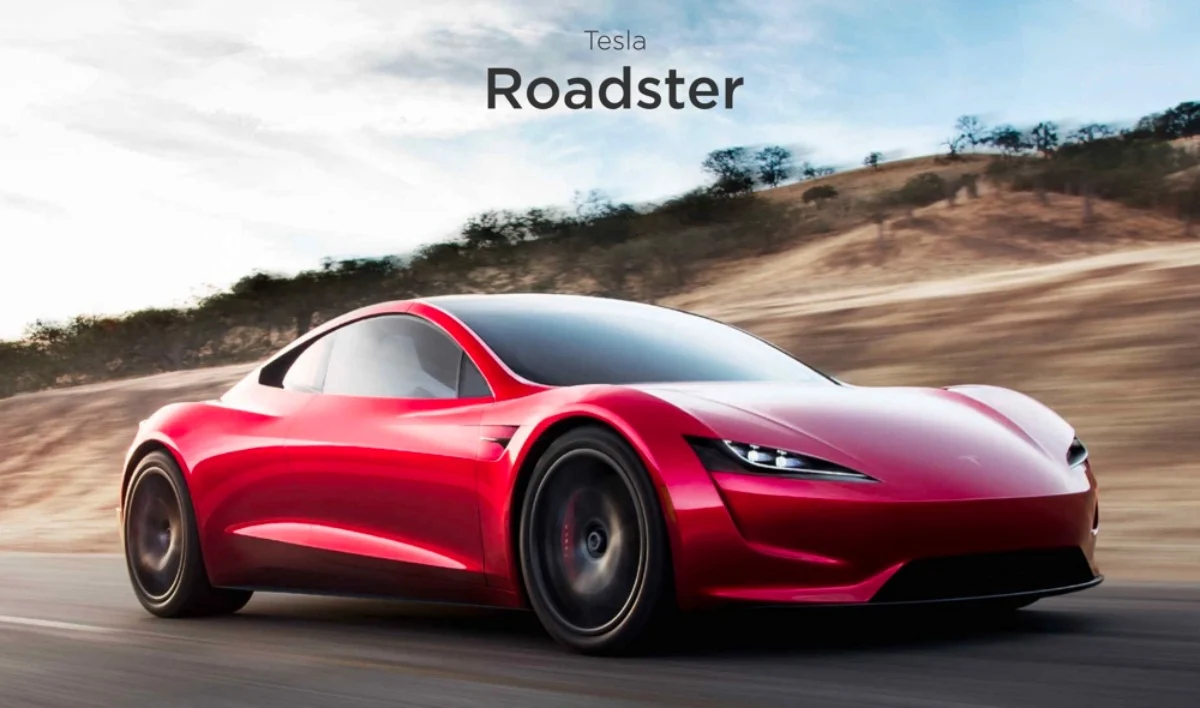
After countless broken promises and postponements, Tesla has at last given a definitive account of its second-generation Roadster, an all-electric supercar nearly a decade in the making. Although some foreign outlets mistakenly reported the event would fall on October 10, Tesla CEO Elon Musk personally confirmed that this next-generation sports car, burdened with sky-high expectations, will formally debut on October 1 this year in Waco, Texas.
This marks the first concrete launch timetable Tesla has offered since the prototype was first unveiled in 2017. The official website has simultaneously posted a countdown timer alongside a strongly suggestive partial teaser of the car’s rear. Tesla shared the reveal through a go-for-launch teaser posted on X.
SpaceX Cold Gas Thrusters Become Real, Split Into Street and Special Editions
All along, the most captivating talking point of the second-generation Roadster has been Musk’s promise to incorporate SpaceX-derived rocket propulsion technology to achieve ground-hugging flight. In this latest teaser and supply-chain intelligence, that wild notion has finally taken on a clear outline grounded in physical reality.
According to the newest information, Tesla will split the second-generation Roadster into two starkly different product lines:
- Standard, street-legal version: This is the production model most reservation holders will ultimately receive. Though it lacks thrusters, it still boasts top-tier all-electric supercar specifications: 0 to 60 mph in under 2 seconds, a top speed exceeding 250 mph, and a range beyond 600 miles.
- SpaceX limited edition, non-street-legal: This special version will serve as the showpiece spectacle of the event. It is expected to feature roughly 10 cold gas thrusters seamlessly arranged around the body. These miniature nozzles, transplanted directly from the Falcon 9 rocket’s attitude-control system, generate thrust by releasing high-pressure gas without combustion. They can deliver explosive acceleration assistance in an instant, even producing a brief hover effect at a standstill. Given the tremendous noise and physical force the thrusters produce when operating, this version cannot legally take to the road, and at the event it will very likely be demonstrated safely by remote control.
A Test of Investor and Consumer Patience
The Roadster’s long gestation has already worn down the patience of some early supporters. Back in the day, the standard version’s projected starting price was $200,000, while the Founder’s Edition reached as high as $250,000. Celebrities who paid a $50,000 deposit early on, including OpenAI CEO Sam Altman and the well-known tech YouTuber Marques Brownlee (MKBHD), have chosen to cancel their reservations amid the interminable wait.
As for the non-street-legal special edition equipped with the SpaceX package, the industry estimates its price could soar to the level of several hundred thousand or even a million dollars.
A Battle to Defend Trust, Not Merely a Show of Firepower
From an industry-observer’s standpoint, the October 1 Roadster event is, for Tesla, less a hardware firepower display of an electric supercar than a credibility examination to rescue brand promises and investor confidence.
For Wall Street and the capital markets, investors care less about seeing an expensive toy that can briefly hover on stage yet cannot travel public roads, and more about the car’s precise production timetable and capacity planning. The earlier struggles and initial yield problems of the Cybertruck already caused Tesla no small suffering. If this Roadster reveal can once again offer only a vague future vision without a concrete delivery guarantee, then however dazzling the SpaceX thruster gimmick may be, it will likely struggle to truly convince the market to buy in.
Support Our Threat Intelligence
If you find our technology report and cybersecurity news helpful, consider supporting our work.
 Buy Me a Coffee
PayPal
Buy Me a Coffee
PayPal