Bloomberg reporter Mark Gurman reports that Phil Schiller, the Apple Fellow who for years led the App Store business and presided over Apple’s product-launch events, has recently and formally relinquished his command of the App Store. Beyond a personal wish to devote more time to family and philanthropy, another pivotal factor lay in his disagreement with the strategic course of new chief executive John Ternus and services chief Eddy Cue, who seek to wring greater profit from the App Store.
Back Under Eddy Cue, the App Store Faces Pressure to Expand Margins
As Tim Cook formally became executive chairman this September and John Ternus succeeded him as Apple’s chief executive, the company’s upper ranks are undergoing a sweeping reorganization. Among the changes, the App Store business returns, after an interval of eleven years, to the Services division led by Eddy Cue. Day-to-day operations will fall to App Store veteran Carson Oliver, who will report directly to Cue.
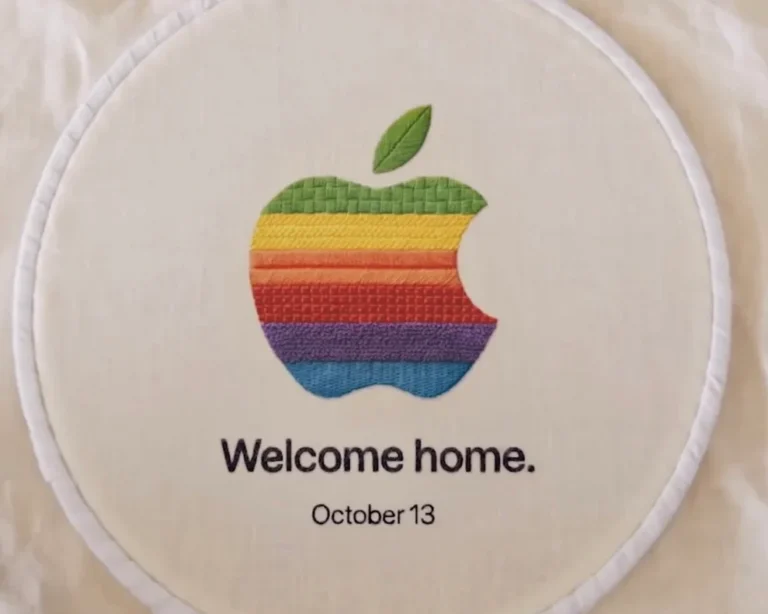
Businesses such as Apple Arcade are likewise being folded into the Services division. In addition, the product-launch events formerly overseen by Schiller pass to his deputy, Nola Weinstein, and now sit under communications chief Kristin Huguet Quayle.
Sources disclose that the new strategic aim of Ternus and Cue is to raise the App Store’s profits further and to extract more recurring revenue from the platform. This may portend future changes to how applications are reviewed, or adjustments to developer fees and commission structures to lower costs and thereby enlarge revenue.
Fearing Inflamed Tensions with Governments and Developers, Schiller Chose to Step Aside
The App Store brings Apple an estimated $30 billion in direct revenue each year, yet its stringent review mechanism and commission-sharing ratios have long been a lightning rod for criticism from developers and regulators worldwide. They have provoked the protracted litigation with Epic Games, as well as the forceful intervention of antitrust regimes such as the European Union’s Digital Markets Act.
Reportedly, although Schiller engaged in no heated dispute with Ternus or Cue internally, he was firmly convinced that, in the current hostile regulatory climate, any attempt to squeeze more profit from the App Store would only further enrage developers and invite sterner scrutiny from governments. To avoid being swept into this foreseeable storm, the 66-year-old Schiller chose to step down of his own accord, participating henceforth only as an Apple Fellow on select, undisclosed projects.
As the App Store and the hardware business confront a twofold challenge, Apple in the Ternus era is seeking to sustain financial growth through a redistribution of power within the Services division. Yet how to pursue profit maximization while avoiding a repetition of past monopoly controversies has become the foremost test for Eddy Cue and the new management team.
Support Our Threat Intelligence
If you find our technology report and cybersecurity news helpful, consider supporting our work.
 Buy Me a Coffee
PayPal
Buy Me a Coffee
PayPal