With Tim Cook formally concluding his fifteen-year tenure as chief executive and moving into the role of executive chairman, Apple now officially ushers in a new era led by incoming CEO John Ternus. Amid what is regarded as the most significant generational handover in Apple’s history, a reshuffle of the senior ranks is unfolding in earnest.
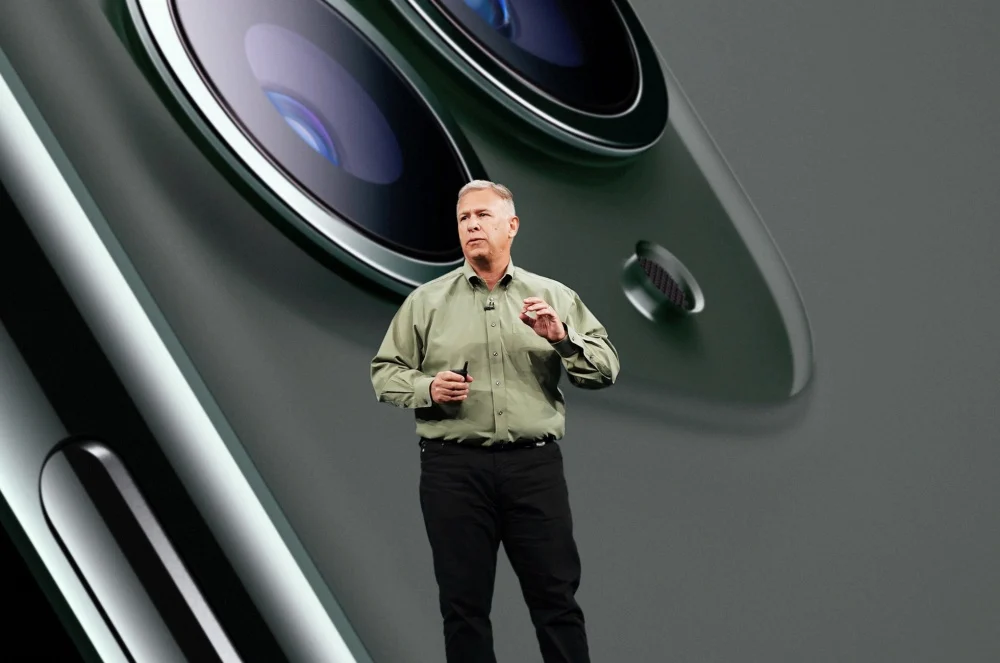
According to a Bloomberg report, the veteran Apple executive Phil Schiller, decorated with achievements dating back to the Steve Jobs era, has relinquished his duties overseeing the App Store and global product launches, stepping further back from the operational front line.
Business Reshuffle: The App Store Returns to Eddy Cue
Phil Schiller, now 66, stepped down as senior vice president of worldwide marketing in 2020 and transitioned into the role of “Apple Fellow,” yet he retained genuine decision-making authority over the App Store and product events. Having now handed off these two core businesses, he will keep the Apple Fellow title and focus on “unspecified initiatives” within the company.
Moreover, in the wake of Schiller’s departure, Apple has swiftly restructured the relevant divisions.
The App Store
The App Store will return to the remit of Eddy Cue, senior vice president of the services division. In fact, before Schiller took charge in 2015, the App Store had always fallen under Cue. Day-to-day operations will be assumed by Carson Oliver, Schiller’s former deputy. In turn, Ann Thai, who previously handled third-party marketplace tools, and Apple Arcade lead Alex Rofman will both report directly to Oliver.
Product Launches and Events
The global launch-planning work once led by Schiller will pass to Nola Weinstein, who has served as his deputy since 2023. Weinstein will report directly to Kristin Huguet Quayle, Apple’s vice president of communications and public relations. The autumn event on 9 September, expected to introduce the iPhone 18 Pro and Apple’s first foldable iPhone, will be the first major showcase under Weinstein’s leadership.
A Gatekeeper Amid Controversy and Conflict
During the years Schiller led the App Store, the period coincided with the most severe global antitrust scrutiny. The role extended far beyond managing a digital platform that contributes more than $30 billion in annual revenue. He was also the ultimate arbiter of whether controversial apps could be listed, and in Apple’s protracted antitrust litigation with Epic Games, he served as the staunchest line of defence for the company’s “revenue-share mechanism” and platform policies.
An Old-Guard Titan Retires, and Ternus Faces a Leadership Vacuum
Cook’s departure and Ternus’s formal accession signal Apple’s entry into its next decade of transformation. Schiller’s further withdrawal, however, starkly exposes the gravest concern Ternus must confront from day one: the serious attrition of the senior management bench.
For fans and developers who lived through the Jobs era, Schiller’s presence symbolised a consummate faith in product and an ordered platform. Nor is he alone. Former hardware chief Dan Riccio, CFO Luca Maestri, and Lisa Jackson, who oversaw environment and government affairs, have all retired or moved behind the scenes over the past year.
The Apple that Ternus now inherits faces not only powerful pressure from global regulators to open the App Store to third-party marketplaces, but also a sweeping changing of the guard within its core decision-making circle. Returning the App Store to the comparatively softer-handed Eddy Cue may be a strategic compromise Apple has made to cope with the EU’s Digital Markets Act and antitrust regulations worldwide.
For Ternus, newly installed in the CEO’s chair, swiftly steadying this new generation of successor lieutenants and proving Apple’s breakthrough product prowess to the market anew in the post-Cook era will prove a sterner test than launching a foldable iPhone.
Support Our Threat Intelligence
If you find our technology report and cybersecurity news helpful, consider supporting our work.
 Buy Me a Coffee
PayPal
Buy Me a Coffee
PayPal