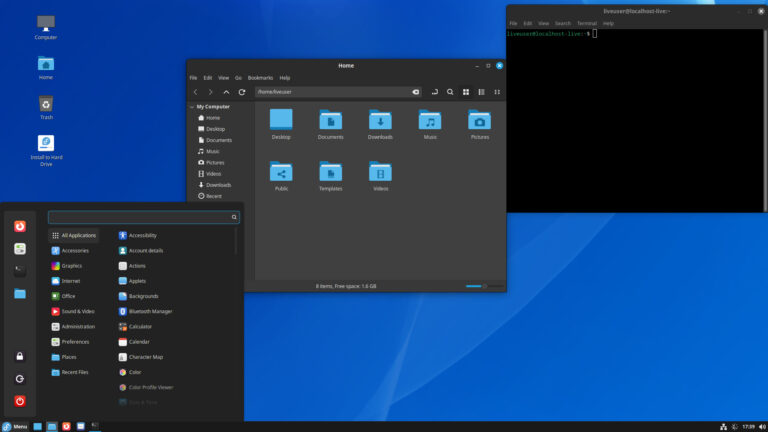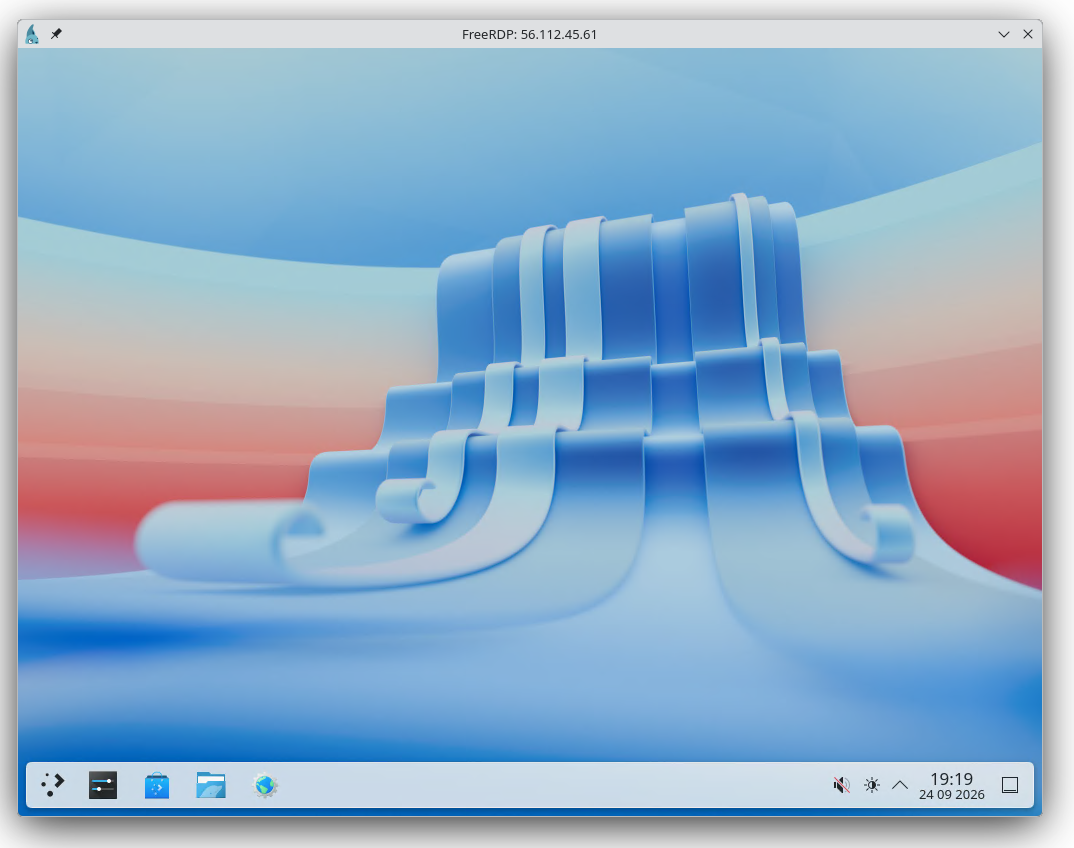
FreeBSD has officially acquired meticulously pre-configured desktop images designed exclusively for deployment within Amazon EC2. These innovative AMIs empower users to instantiate a comprehensive KDE graphical environment and establish connections utilizing a methodology strikingly reminiscent of accessing a remote Windows workstation. Fundamentally, these novel desktop images cater to individuals desiring to experience FreeBSD without enduring the arduous process of manually installing a graphical interface and configuring the operating system entirely from scratch.
Colin Percival, a distinguished FreeBSD developer, meticulously engineered these images. The standard configuration encompasses the elegant KDE desktop, the robust Chromium web browser, and the versatile LibreOffice suite. Users retain the complete freedom to seamlessly install supplementary software via the intuitive pkg package manager. Notably, the FreeBSD image itself is provided entirely free of charge; the user exclusively incurs costs associated with the underlying Amazon EC2 computational resources powering the virtual machine. For technical specifics, you can read the developer’s announcement regarding launching FreeBSD EC2 desktop AMIs.
Seamless RDP Connectivity in the Cloud
The connectivity architecture heavily relies upon a paradigm instantly familiar to seasoned Windows users. Upon the initial launch of the virtual machine, FreeBSD automatically generates an ec2-user account fortified with a cryptographically secure, randomized password. Subsequently, the graphical session is accessible explicitly via the Remote Desktop Protocol (RDP). This robust protocol efficiently transmits the remote desktop’s visual output alongside all local user interactions across the network. Consequently, individuals can effortlessly operate the cloud-based FreeBSD environment from any disparate computer, completely negating the necessity for physical access to the host machine.
Percival deliberately orchestrated the image configuration to ensure the connection sequence closely mirrors the established workflow for interacting with Windows virtual machines deployed within EC2. The user simply retrieves the server’s public IP address, the generated password, and the cryptographic certificate fingerprint. Following this straightforward data acquisition, they can seamlessly initiate a session utilizing any compatible RDP client. Crucially, successful connectivity mandates configuring the AWS security group to explicitly permit incoming network traffic traversing TCP port 3389.
Current AWS Console Limitations and Future Milestones
Presently, however, the native AWS management console frustratingly fails to natively recognize these novel images as systems inherently supporting RDP. The standard deployment wizard stubbornly suggests exposing TCP port 22 for SSH access. It erroneously displays command-line interface connection instructions rather than highlighting port 3389 and the requisite remote desktop parameters. In response to this interface deficiency, Percival has formally petitioned Amazon to implement a feature enabling the explicit tagging of such specialized images as RDP-compatible.
These desktop images are currently distributed utilizing both the UFS and ZFS file systems. At this juncture, exclusively the amd64 architecture variants are available; the developer has temporarily deferred the arm64 iteration owing to the conspicuous absence of a compatible, pre-compiled Chromium package. The currently available images are forged upon the stable FreeBSD 15.1-STABLE branch. The overarching objective is to officially integrate these desktop capabilities into the standard FreeBSD release cycle coinciding with version 15.2, broadly anticipated for release in December.
Users can successfully launch the desktop-enabled FreeBSD instances across virtually all commercial AWS geographic regions. The sole present exceptions remain Bahrain and the United Arab Emirates, where image publication is currently restricted due to lingering availability complications. Ultimately, this significant development signifies that users are no longer forced to initially deploy a rudimentary headless server edition of FreeBSD, manually retrofit a graphical environment, and painstakingly configure remote access protocols. This turnkey virtual machine natively provisions a foundational software suite and immediately accepts remote desktop connections straight out of the box.
Support Our Threat Intelligence
If you find our technology report and cybersecurity news helpful, consider supporting our work.
 Buy Me a Coffee
PayPal
Buy Me a Coffee
PayPal