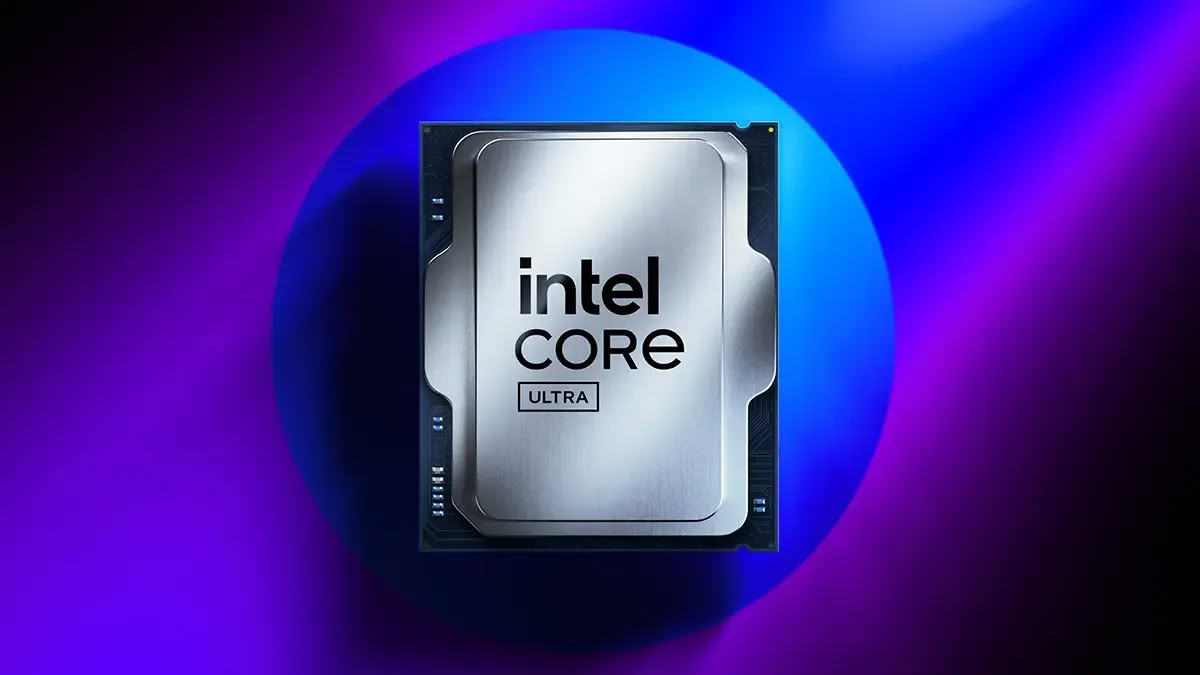
Supply chain intelligence suggests that Intel plans to orchestrate another price hike for its PC processors on October 5 of this year, with an anticipated surge of roughly 10 percent. Should this information prove accurate, it would mark the third pricing escalation for Intel since the twilight of 2025. Concurrently, Intel Chief Executive Lip-Bu Tan is ruthlessly overhauling the corporate product portfolio. Consequently, certain Small Core lineages plagued by dismal gross margins may face imminent discontinuation.
Compounded by recent murmurs of price adjustments from silicon architects like Qualcomm, alongside the relentless ascent in memory and storage component costs, this inflationary pressure is now inexorably cascading across consumer endpoints. This formidable financial burden currently encompasses laptops, tablets, and smartphones.
Abandoning the Low-Cost Bastion
Reflecting upon the recent pricing cadence of Intel, the technology leviathan already orchestrated a roughly 10 percent increase in the inaugural quarter of 2026. Subsequently, a second wave of adjustments swept across select consumer and server processors in July, with escalations ranging from tens to over a thousand dollars. Even as market prognostications anticipate a marginal recession in global PC shipments for 2027, Intel remains steadfast, defying prevailing headwinds by initiating a third wave of price hikes this October.
Industry analysts deduce that this reflects a monumental strategic pivot for Intel. Elevating gross margins has become the paramount operational imperative, thereby rendering the archaic tactic of cutthroat price wars to capture market share entirely obsolete. Since Lip-Bu Tan assumed the mantle of Chief Executive, he has relentlessly championed radical organizational flattening. He surgically truncated the internal management hierarchy from twelve layers down to a mere six. Furthermore, following a fresh round of streamlining within the data center and artificial intelligence divisions this July, the global workforce has now dwindled to approximately 75,000 personnel.
Beyond direct price manipulation, Tan is meticulously purging low-yield enterprises. Market speculation suggests Intel may systematically phase out its Small Core processor lineages, such as the Atom, due to their anemic profit margins. This maneuver will disproportionately impact vertical markets, including industrial personal computers, the Internet of Things, and embedded devices, which intrinsically require steadfast five to ten-year supply guarantees.
The Arm Vanguard Lies in Wait
As Intel potentially abdicates the lower-tier and embedded computing arenas to safeguard its margins, the Arm-based silicon vanguard is unequivocally poised to reap exceptional expansion opportunities.
Visionaries including MediaTek and Qualcomm wield Arm architecture chips that boast profound integration and superlative energy efficiency within edge computing and IoT domains. As the financial burden of traditional x86 architecture solutions relentlessly mounts, and Small Core processors face imminent supply disruption, industrial control and embedded clientele will likely pivot. Once deeply tethered to the x86 ecosystem, these customers will very likely accelerate their exodus toward Arm-based platforms.
A Symphony of Rising Costs
Crucially, this wave of silicon inflation is not an isolated Intel phenomenon. Supply chain reverberations indicate that principal mobile and PC processor vendors are equally preparing to elevate their quotations. Squeezed by the unrelenting ascent of DRAM and NAND Flash storage chip prices, the production costs of consumer hardware currently endure a formidable pressure rarely witnessed in recent epochs.
This cascading effect has already manifested directly in retail pricing paradigms:
- Personal Computers and Tablets: The laptop market progressively mirrored these component hikes throughout the first half of the year. Apple preemptively recalibrated the pricing for its MacBook series, Mac desktops, and iPad tablet lineages as early as June.
- Smartphones: Accompanied by the exorbitant surge in photomask expenses, an inevitable consequence of advancing processor fabrication to 3nm and 2nm cutting-edge nodes, all novel flagship smartphones debuting in the latter half of the year confront unavoidable inflationary pressures.
A Defensive Perimeter Forged by Profit
One can vividly discern the pragmatic urgency driving Lip-Bu Tan’s stewardship through the current pricing and product retrenchment strategies at Intel.
Confronting the colossal capital expenditures mandated by advanced process research and foundry construction, Intel can no longer afford the luxurious folly of inflating revenue figures with low-margin products. By elevating the Average Selling Price through three successive hikes and decisively amputating marginally profitable lineages, Intel endeavors to stabilize its foundational base. They seek robust cash flow and healthy gross margins before their operational constitution is entirely rehabilitated.
Nevertheless, this stratagem exacts a formidable toll.
Within the consumer theater, the compounding inflation of memory, display panels, and other vital components will inevitably prolong the consumer replacement cycle. This will naturally dampen the momentum for PC and smartphone upgrades in the latter half of the year. A more draconian challenge looms over the edge and industrial markets. Once the industrial control sector pivots to the Arm architecture due to product obsolescence, its protracted and astronomically expensive certification process dictates a harsh reality. These clients, having departed the x86 ecosystem, will find it exceedingly arduous to ever return.
As Intel vigilantly guards its near-term financial ledgers, the most compelling potential casualty to observe in this restructuring tempest is their market share. The technology world watches closely to see if the corporation is inadvertently surrendering the colossal long-tail market of future edge computing to the Arm coalition.
Support Our Threat Intelligence
If you find our technology report and cybersecurity news helpful, consider supporting our work.
 Buy Me a Coffee
PayPal
Buy Me a Coffee
PayPal