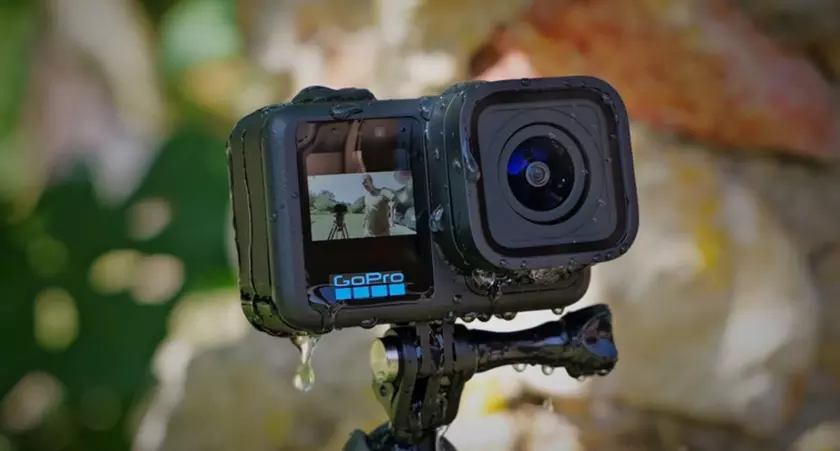
The renowned action camera pioneer, GoPro, recently issued a bleak going-concern warning. Consequently, the organization disclosed a staggering 26 percent decline in revenue. Furthermore, executives anticipate imminent defaults on multiple credit agreements. Therefore, the firm is actively evaluating a full or partial corporate divestiture. Alternatively, the firm may pivot toward the defense sector or implement sweeping workforce reductions. Management attributes these compounding crises primarily to the skyrocketing cost of global storage chips. This market volatility severely throttles their supply chains and decimates profit margins.
Escalating Silicon Costs and Margin Contraction
GoPro revealed that storage chip procurement costs surged by an astonishing 80 to 115 percent. Unquestionably, this fiscal shock destabilized normal manufacturing operations and eroded profitability projections. Earlier in April, upstream semiconductor foundries notified GoPro of an immediate reduction in component allocations. Without a reliable influx of these vital microchips, assembly lines stalled completely. Consequently, the company can neither manufacture nor distribute its hallmark cameras. For an enterprise reliant on hardware sales, this supply strangulation represents an absolute catastrophe.
The Artificial Intelligence Catalyst
Crucially, the hardware in question involves non-volatile NAND flash memory rather than volatile DRAM components. The global supply of these chips remains tightly controlled by conglomerates like Samsung, SK Hynix, Kioxia, and Micron. Presently, the explosive expansion of the artificial intelligence sector drives unprecedented demand for high-bandwidth memory (HBM). As a result, semiconductor foundries reallocated their production capacities toward these high-margin AI components. This massive infrastructure shift starved the market of standard DRAM and NAND silicon, precipitating a pricing surge.
Therefore, peripheral electronics manufacturers must either absorb exorbitant procurement premiums or endure severe inventory deficits. Unfortunately, boutique enterprises like GoPro lack the immense market leverage of conglomerates like Apple. Because of this diminished bargaining power, GoPro must passively endure inflated tariffs and drastically reduced hardware allocations.
Looming Defaults and Strategic Realignments
In its harrowing disclosure, GoPro candidly admitted the high probability of defaulting on its active operational loans. The executive board projects that existing liquid capital cannot satisfy impending debt servicing obligations. Accordingly, the corporation retained financial advisors to evaluate drastic strategic alternatives. These options encompass a total corporate liquidation or a strategic merger with industry peers. Additionally, GoPro plans to explore uncharted territory within the military and aerospace sectors for salvation. Meanwhile, defensive restructuring is already underway, following a 23 percent global workforce reduction enacted in April.
Market Capitalization Erosion
Following its celebrated initial public offering in 2014, GoPro once commanded a peak valuation of 9 billion dollars. Conversely, the company’s equity has currently degenerated into a penny stock, trading below the one-dollar threshold. Immediately following the dissemination of the going-concern prospectus, the stock endured a catastrophic 14 percent plunge.
The Competitive Imperative Beyond Silicon
Nevertheless, attributing this corporate decline entirely to supply chain anomalies remains fundamentally disingenuous. GoPro concurrently faces fierce, unyielding competition from dominant Eastern rivals such as DJI and Insta360. Historically, GoPro preserved an unassailable hegemony within the specialized niche of extreme sports cinematography. However, for the vast demographic of mainstream consumers, the versatile product ecosystems of DJI and Insta360 prove far more compelling.
Support Our Threat Intelligence
If you find our technology report and cybersecurity news helpful, consider supporting our work.
 Buy Me a Coffee
PayPal
Buy Me a Coffee
PayPal