Meta triumphs globally with its Ray-Ban smart glasses collaboration. This milestone sparked a fervent wave of artificial intelligence eyewear. Consequently, observers anticipated a swift, formidable response from Cupertino. Nevertheless, reports from Bloomberg reveal that Apple’s inaugural smart glasses have encountered developmental hurdles. Internally designated as “N50,” this project faces a revised timeline. Therefore, the anticipated unveiling has migrated from late 2026 to late 2027.
Decoupling Technology from Bulk: A Strategic Blueprint
Tim Cook reportedly champions this wearable device as a paramount priority. Despite these shifting timelines, the strategic architecture grows increasingly distinct. Crucially, Apple eschews an initial deployment of cumbersome augmented reality apparatus. Instead, the tech titan embraces a methodology reminiscent of the early Apple Watch paradigm. This strategy prioritizes ergonomic wearability before introducing complex technological overlays. Thus, the enterprise directly confronts the vast traditional optical market.
Navigating Developmental Friction
Previously, market prognosticators anticipated a grand debut by the close of 2026. They expected consumer shipments to commence in early 2027. However, recent intelligence suggests that unexpected operational friction disrupted this timeline. To guarantee an unblemished user experience, Apple postponed the product premiere until late 2027. As a result, consumers may wait until 2028 to physically acquire the hardware.
Paradoxically, this prolonged timeline may yield significant architectural advantages. The extension ensures the hardware seamlessly integrates with a completely revitalized Siri assistant. Furthermore, it aligns beautifully with the expansive Apple Intelligence ecosystem. Armed with advanced multimodal comprehension, this auditory assistant will maximize its utility. Ultimately, it will deliver immense value across a completely screenless architecture.
The Aesthetics of Screenless Utility
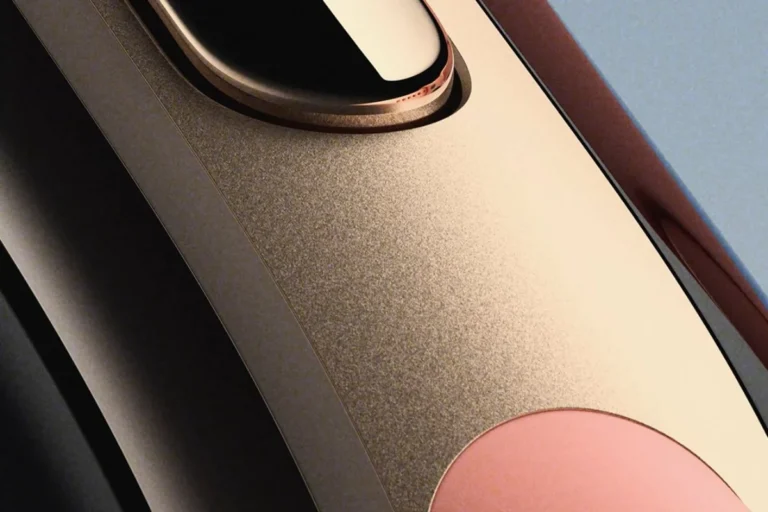
Apple’s initial offering consciously omits an integrated lens display. This design choice departs sharply from the sci-fi tropes of augmented reality. Rather than pursuing power-hungry visual effects, designers favored a screenless interactive framework. Accordingly, the frame incorporates sophisticated microphones, speakers, and an elliptical camera module. Beyond capturing spontaneous imagery, users will utilize Siri to manage telecommunications. They can also curate audio streams and digest incoming notifications effortlessly. Additionally, the system provides real-time navigational prompts and fluid visual translation.
Form, Fashion, and Ergonomics
To encourage sustained daily wear, the design collective is evaluating four distinct structural styles. These iterations encompass a bold, rectangular silhouette reminiscent of the iconic Ray-Ban Wayfarer. Another option features a more slender rectangular variant. Finally, two circular geometries of varying proportions complete the selection. Moreover, the device will debut in exclusive colorways like onyx black, deep navy, and soft amber. This palette deliberately positions the device as an adaptable fashion accessory.
Penetrating the Traditional Optical Blue Ocean
Regarding fiscal strategy, insiders indicate a retail price target spanning 200 to 500 dollars. Consequently, Apple intends to bypass competition with prohibitively expensive, specialized AR hardware. The corporation prefers to directly challenge established optical institutions. Targeted rivals include prominent brands like Ray-Ban, Oakley, and Warby Parker.
Remarkably, prospective chief executive candidate John Ternus is deeply immersed in piloting this initiative. Looking further down the horizon, Apple intends to evolve this eyewear significantly. Specifically, they plan to transform it into a sophisticated biometric health-monitoring instrument. Ultimately, successive generations will introduce advanced augmented reality capabilities. These future technologies will aim to substantively enhance human visual acuity.
Support Our Threat Intelligence
If you find our technology report and cybersecurity news helpful, consider supporting our work.
 Buy Me a Coffee
PayPal
Buy Me a Coffee
PayPal