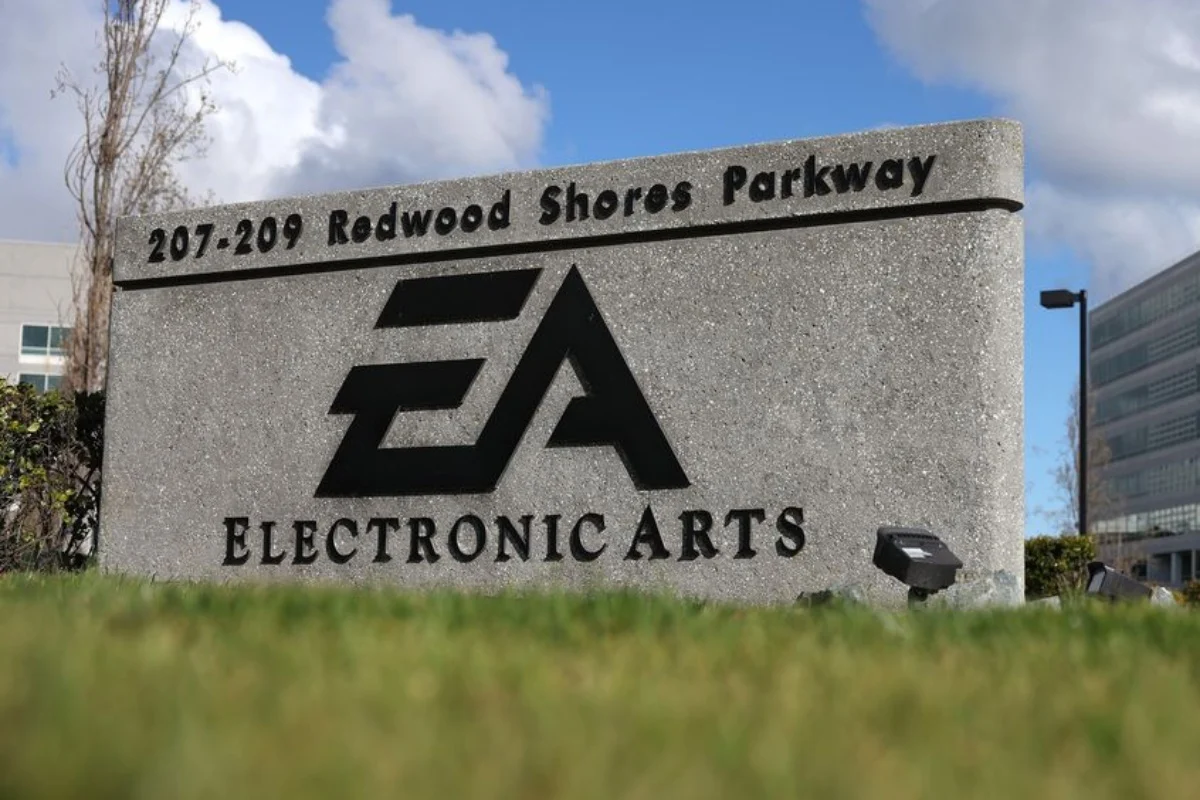
The Electronic Arts (EA) acquisition that sent shockwaves through the global gaming industry last September has finally reached its conclusion. This milestone arrives after nearly a year of intensive international regulatory scrutiny. EA announced that the investment consortium, led by Saudi Arabia’s sovereign wealth fund, has officially completed this historic $55 billion buyout.
Following the completion of this transaction, the veteran game publisher officially concludes its 36-year history of public trading. It has maintained a listing on the NASDAQ exchange since 1990. Now, the company will transition rapidly into a privatized enterprise.
Saudi Sovereign Fund Acquires Over 93% Stake
This transaction is not merely the second-largest acquisition in gaming history, trailing only Microsoft’s $68.7 billion purchase of Activision Blizzard. Furthermore, it represents the largest leveraged buyout (LBO) in global business history.
According to the transaction structure, Saudi Arabia’s sovereign wealth fund will become the absolute controlling party of EA. They will hold a massive 93.4% stake. In recent years, this sovereign wealth fund has actively invested in the global esports and gaming industries. Consequently, they are attempting to diversify the Saudi economy away from its singular reliance on oil revenues.
Meanwhile, the other two major investors include the renowned private equity firm Silver Lake and Affinity Partners. Former US President Donald Trump’s son-in-law, Jared Kushner, founded and currently leads Affinity Partners.
Leadership Continuity Amidst New Ownership
Despite the dramatic change in ownership, EA’s current management team will experience no major immediate changes. Current CEO Andrew Wilson will firmly remain at the helm. Additionally, the corporate headquarters will stay in Redwood City, California.
In an internal letter distributed to all employees, Wilson emphasized a positive outlook. He stated that the company will enter a new chapter supported by partners who share a common vision. Moreover, he reiterated that EA remains dedicated to creating the world’s best games, vibrant communities, and a thriving creative culture.
Looming Debt and Future Cost Reduction Pressures
Although EA executives exude confidence regarding this transaction, observers cannot ignore the severe financial cost behind this privatization.
As part of the leveraged buyout, the purchasing consortium secured up to $20 billion in debt financing from JPMorgan Chase. This massive loan means EA instantly transitions from a historically healthy balance sheet to bearing a colossal debt burden. The company must repay this substantial obligation gradually over the coming years.
For reference, EA reported a net profit of $387 million after operating expenses and taxes in its latest financial report for the quarter ending June 30. Therefore, the company will likely adjust its upcoming financial strategies significantly.
For example, management might seek to generate additional revenue streams rapidly. Alternatively, they could adjust their game development direction to maximize earning opportunities. Finally, industry analysts expect EA to face large-scale cost reductions and studio consolidations. The publisher may also intensify its focus on lucrative in-game microtransactions.
Support Our Threat Intelligence
If you find our technology report and cybersecurity news helpful, consider supporting our work.
 Buy Me a Coffee
PayPal
Buy Me a Coffee
PayPal