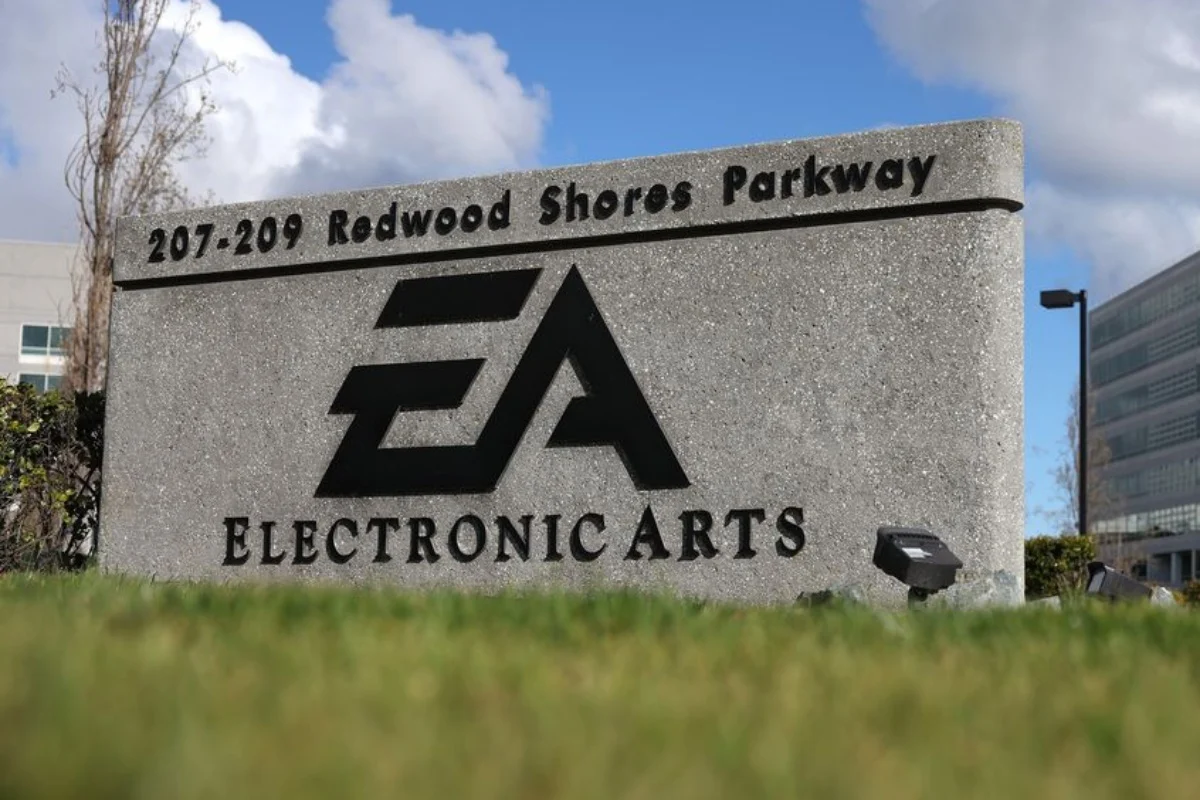
The European Commission has issued a formal announcement. Under EU merger rules, it has unconditionally approved a landmark deal. A consortium led by Saudi Arabia’s sovereign wealth fund, the PIF, will acquire the US game developer and publisher Electronic Arts.
The regulator explained its reasoning in the official review notice. In its view, the deal’s overall effect on competition in the relevant markets stays very limited. Therefore, it raises no monopoly worries and no anti-competitive concerns.
An All-Cash $55 Billion Deal, Already Approved by Shareholders
This acquisition shook the gaming world when it first surfaced in September 2025. At the time, EA announced a definitive agreement with an investor consortium. The PIF led that group, alongside the noted US private-equity firm Silver Lake and Affinity Partners.
The consortium confirmed an all-cash offer of $210 per share. In total, the deal reaches $55 billion. Subsequently, EA convened a shareholder meeting in December 2025 and won full backing from shareholders and stakeholders.
Now the EU’s blessing marks a decisive step forward. As a result, this vast take-private transaction moves much closer to final closing.
The Final Piece of Saudi Arabia’s Vision 2030
The EU cleared the deal quickly. That speed underscores a larger truth. Middle Eastern capital is reshaping the global digital-entertainment map with real ambition and real muscle.
The contrast with Microsoft’s Activision Blizzard purchase is instructive. That deal tangled with Xbox exclusivity, cloud-gaming dominance, and console competition. Consequently, it drew tough scrutiny from the EU and the US Federal Trade Commission.
The PIF’s position differs fundamentally. It is essentially a capital investor. It runs no closed home-console platform and controls no software-distribution channel. Therefore, folding EA into its portfolio would not alter the existing cross-platform publishing landscape, and regulators found little reason to object.
From Financial Investment to Industrial Command
Seen through a wider strategic lens, this deal advances Vision 2030 directly. Indeed, it may be the plan’s most pivotal move yet.
In recent years, the PIF invested steadily through its Savvy Games Group. It took stakes in Nintendo, Capcom, Nexon, Take-Two, and Embracer Group. It even acquired SNK and the esports leader ESL FACEIT.
Most of those bets were minority stakes, however. This time, the fund swallows EA whole through privatisation. EA owns titans such as EA SPORTS FC, Need for Speed, The Sims, and Apex Legends. Accordingly, the PIF vaults from background shareholder to a central force in the global games industry.
Escaping Short-Term Market Pressure
Privatisation brings another advantage. Once private, EA no longer answers to quarterly US earnings reports or Wall Street’s relentless quarterly demands.
That breathing room clearly benefits management. The team can concentrate on long-horizon work instead. It can develop major game IP, pivot toward live-service titles, and invest in AI for game production.
With the EU’s approval secured, the $55 billion deal is expected to close in the second half of this year. Backed by deep Middle Eastern capital, EA now faces a defining test. How it wields that advantage amid soaring AAA development costs will draw close attention from players and rivals alike.
Support Our Threat Intelligence
If you find our technology report and cybersecurity news helpful, consider supporting our work.
 Buy Me a Coffee
PayPal
Buy Me a Coffee
PayPal