A Long Patent Fight Grows More Costly
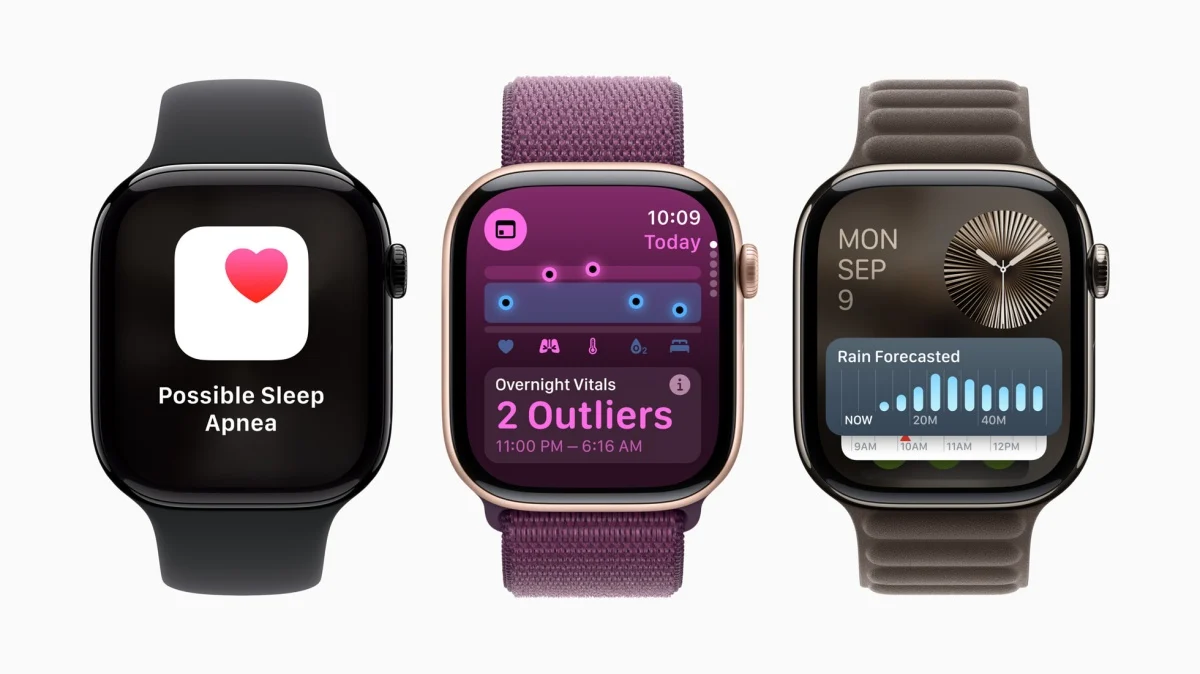
The years-long Apple Watch patent dispute between Apple and medical technology firm Masimo forced Apple to change watch features. Now it is also exacting a steep financial price.
According to a Bloomberg Law report, a federal judge has ordered Apple to pay 184 million dollars in prejudgment interest on its earlier infringement damages. As a result, Apple’s total bill in the case has climbed to about 818 million dollars, or roughly NT$26 billion.
The Judge Rejects the Windfall Argument
In November 2025, a jury found that Apple Watch features, including heart rate notifications, infringed Masimo’s pulse-oximetry patents. It awarded 634 million dollars in damages.
Apple then fought in court to overturn or reduce the award. It argued that adding prejudgment interest would hand Masimo a “windfall.”
However, Judge James Selna upheld the verdict in July. In the latest interest ruling, he also rejected Apple’s argument. Citing US Supreme Court guidance, he noted that interest runs from the time royalties should have been paid. Its only purpose is to compensate the patent owner fully.
In other words, the court is making up for the license fees Masimo failed to receive on time during the infringement period.
A Middle Ground on the Rate
The ruling did not fully favor Masimo, though. Masimo had asked for a 7% rate. Had the judge agreed, the interest bill would have reached 243 million dollars.
Instead, the court used Masimo’s own borrowing rate. It compounded the interest yearly from the date of infringement, which produced the 184-million-dollar figure.
Notably, the 818-million-dollar total does not include post-judgment interest. That interest will keep building until Apple actually pays.
Expired Patents, No Effect on Current Watches
For most consumers, the ruling does not affect how their Apple Watch works. The patents in this case expired in June 2022. Therefore, the 818-million-dollar award covers past Apple Watch sales. It has no legal effect on the heart rate and blood oxygen features of models sold today.
Still, the fight between Apple and Masimo goes beyond this case. Through a separate patent dispute, Masimo won a US International Trade Commission (ITC) import ban. That ban forced Apple to disable the blood oxygen feature by software on some new Apple Watch models sold in the US. The problem eased only in 2025, when Apple released a redesign that works around the patent.
A Costly Lesson in Medical Patents
For a company with Apple’s vast cash reserves, 818 million dollars will not shake its foundations. Even so, the ruling is a heavy blow to its corporate pride and research strategy.
As Apple pushed the Apple Watch toward becoming the ultimate health guardian, it relied on its own vast research power. It also hired industry experts directly to build a technical edge.
Masimo’s win shows the limits of that approach. In the highly specialized medical device field, with its dense patent walls, the Silicon Valley habit of building first and paying to settle later has clearly hit a wall.
Kiani’s Fight and Apple’s Next Steps
Masimo founder and longtime CEO Joe Kiani showed a fierce resolve. He not only defeated Apple in court but also, in an unprecedented step, forced Apple to pause US sales of its flagship watches. Apple even had to strip hardware features on its own.
This painful lesson will likely shape Apple’s future work on advanced health technology, such as noninvasive blood glucose or blood pressure monitoring. Apple will need far more caution around the patent minefields of traditional medical device makers.
Support Our Threat Intelligence
If you find our technology report and cybersecurity news helpful, consider supporting our work.
 Buy Me a Coffee
PayPal
Buy Me a Coffee
PayPal