According to recent reports, new Apple TV 4K, HomePod mini, and a Siri AI smart home hub are coming soon. Bloomberg reporter Mark Gurman reveals that Apple is finalizing the development of three major smart home products. The company plans to launch these devices consecutively between autumn 2026 and early 2027. Consequently, this represents Apple’s most aggressive product expansion in the smart home sector in recent years. More importantly, it signals Apple’s intention to directly challenge Amazon and Google’s long-standing dominance, utilizing an upgraded Siri AI as its core weapon.
Autumn Updates: A Brain Transplant for Apple TV and HomePod Mini
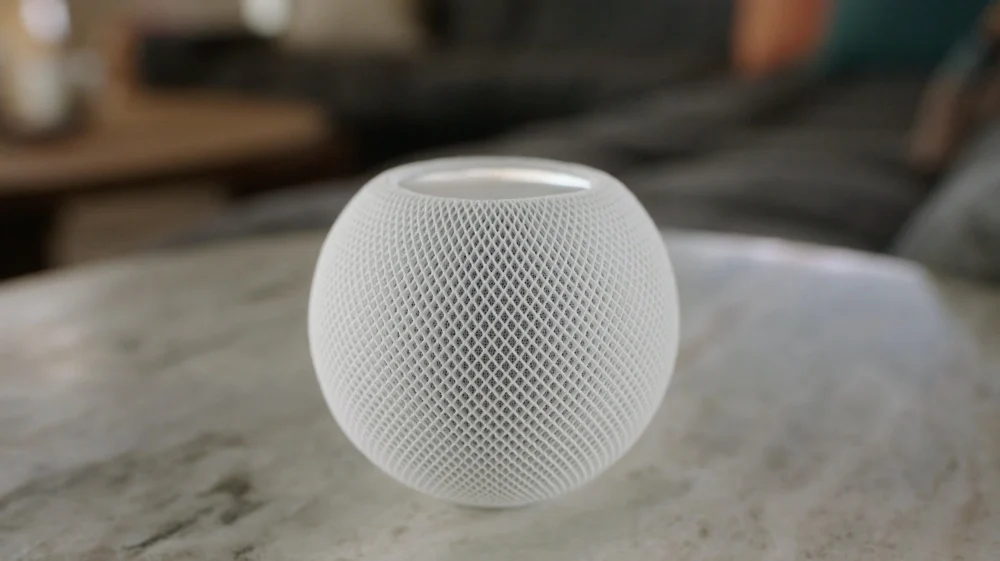
The first two products leading the charge are the familiar Apple TV and HomePod mini. Reportedly, these two devices will debut first this coming autumn.
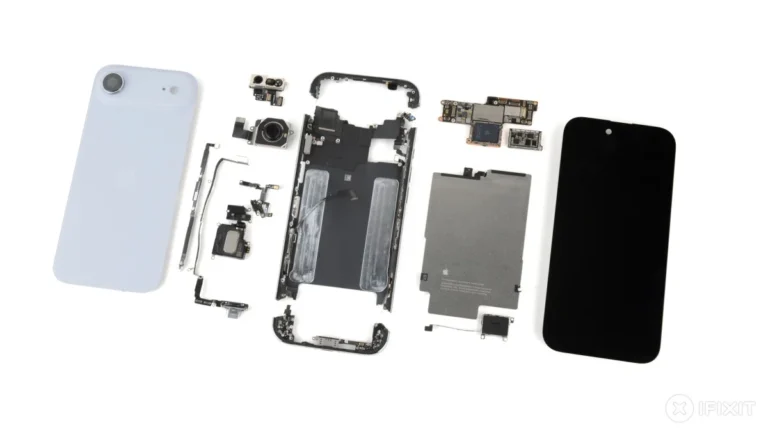
However, the focus of this upgrade is not aesthetic. The report indicates that these new products will look remarkably similar to their current iterations. Instead, the true revolution lies within the internal silicon. Apple is swapping in significantly faster processors to accommodate the imminent arrival of new Siri AI capabilities.
Currently, the Apple TV 4K utilizes the A15 Bionic chip, while the HomePod mini employs the S5 chip the same processor found in the Apple Watch Series 5. Consequently, the computational power of both devices has become slightly insufficient. They struggle to handle the real-time processing demands of next-generation AI assistants.
Following this crucial chip upgrade, the new Apple TV and HomePod mini are expected to become far more capable compute nodes within the Apple smart home ecosystem. Notably, Apple recently raised the prices of these two products to $199 and $129, respectively.
The Home Hub: A 7-Inch Display with Facial Recognition
While the Apple TV and HomePod mini represent routine specification bumps, the long-rumored Apple smart home hub constitutes an entirely new species. This device, serving as Apple’s ultimate home command center, will be the focal product of the latter half of the year.
Expected to debut between October and early next year, this hub represents Apple’s core strategy to restructure its smart home ecosystem. Its ambitious specifications and features clearly demonstrate Apple’s determination to confront the Amazon Echo Show and Google Nest Hub head-on.
Hardware and a Novel Operating System
The Home Hub features an approximately 7-inch square display. It operates on a brand-new operating system built upon tvOS foundations, tentatively dubbed “homeOS.” Insiders describe the interface as a seamless amalgamation of tvOS, watchOS, and iOS. Therefore, it incorporates application icons, widgets, and highly customizable user interfaces.
Two Distinct Form Factors
To accommodate diverse household scenarios, Apple is developing two distinct versions of the Home Hub. The first version, codenamed “J490,” features a display mounted on a hemispherical base, resembling a bisected HomePod mini. Conversely, the second version, codenamed “J491,” utilizes a novel magnetic attachment system for easy wall mounting.
Apple envisions users deploying multiple devices of this type across different rooms. Consequently, this will create a unified, interactive network throughout the entire residence.
The Killer Feature: Facial Recognition and Dynamic UI
Undoubtedly, the Home Hub’s most compelling highlight is its facial recognition capability. Utilizing its built-in camera, the device can instantly identify which user is looking at the screen. Furthermore, it accurately judges the physical distance between the user and the device.
This sophisticated functionality delivers an unprecedented personalized experience:
- Personalized Content Delivery: As different family members approach, the Home Hub automatically displays their specific calendars, notes, photos, and personalized content.
- Dynamic UI Adjustment: The device intelligently adjusts the size and type of information displayed based on the user’s distance. For example, it shows detailed content when the user is close, but enlarges the UI elements for easy reading from afar.
Comprehensive Ecosystem Integration
Beyond these highlights, the Home Hub deeply integrates all core services within the Apple ecosystem. This includes seamless FaceTime video calling, home security monitoring, robust HomeKit accessory management, an intercom system, music playback, and photo browsing.
Prolonged Development and Shifting Timelines
The report indicates that research and development for these three products actually commenced in 2024. Initially, Apple planned to launch them alongside a comprehensively rebuilt Siri. However, severe delays in the new Siri’s development repeatedly disrupted the entire product roadmap. Consequently, launch windows shifted from 2024 to spring 2025, then autumn 2025, and finally to spring 2026.
Now, with operating systems like iOS 27 (featuring the enhanced Siri AI) slated for release this autumn, these hardware products are finally ready for their optimal launch window. However, because these devices rely heavily on Siri AI to deliver their core experience, separating the hardware and software launches remains difficult. Therefore, further delays remain a distinct possibility.
Market Outlook: Late to the Party, but Holding a Trump Card?
Admittedly, Apple’s pace in the smart home market has lagged significantly behind its competitors. The HomePod smart speaker first launched in 2018, and the Apple TV set-top box debuted nearly two decades ago. Yet, sales for both have remained relatively constrained. To this day, the vast majority of revenue in Apple’s Wearables, Home, and Accessories division still stems from AirPods and the Apple Watch.
However, Apple’s current strategic deployment possesses unique advantages. Unlike the broad deployment strategies of Amazon Alexa or Google Assistant, Apple chose a path heavily emphasizing privacy and extreme personalization. Crucially, the Home Hub’s facial recognition will execute entirely on-device. This eliminates the need to upload user biometric data to the cloud, perfectly aligning with Apple’s consistent privacy protection commitments.
Furthermore, reports suggest Apple is actively developing two even more advanced products. One is a high-end robotic version of the home hub equipped with a 9-inch display. The other is an advanced home security camera. Clearly, Apple’s smart home ambitions extend far beyond the products immediately on the horizon.
Support Our Threat Intelligence
If you find our technology report and cybersecurity news helpful, consider supporting our work.
 Buy Me a Coffee
PayPal
Buy Me a Coffee
PayPal