At the Build 2026 exposition, Microsoft unveiled a sweeping architectural reconstruction of the Windows operating system. This profound evolution aims to expand the developer ecosystem during the dawn of autonomous agentic computing. Consequently, the core corporate strategy focuses on establishing Windows as a seamless environment for engineers.
Microsoft introduced several foundational innovations to achieve this objective. These include the Microsoft Execution Containers (MXC) security framework and the localized Aion small language model suite. Additionally, the company integrated specialized hardware like the Surface RTX Spark Dev Box to deliver a robust local development sanctuary.
Eradicating Cross-Platform Friction for Linux Engineers
Microsoft is systematically dismantling the traditional environmental barriers that separate Windows from the open-source community. Therefore, software engineers can focus purely on coding rather than fighting local environment configurations.
Implementing Rust-Powered Coreutils
First, the corporate ally announced the official release of Coreutils for Windows. Developers no longer need to alter their muscle memory when transitioning across diverse operating systems. Engineers completely rewrote the classic GNU Coreutils ecosystem utilizing the Rust programming language. Consequently, native Linux terminal commands now execute flawlessly within the native Windows ecosystem.
The Arrival of Native WSL Containers
Second, Microsoft introduced the preview phase of native WSL Containers. The Windows Subsystem for Linux will now natively build, execute, and manage Linux container architectures. This system provides dedicated command-line interfaces alongside custom API allocations. As a result, enterprise IT infrastructure teams can completely bypass the licensing overhead associated with third-party tools like Docker Desktop. Furthermore, organizations can implement centralized security governance using native Windows administrative panels.
One-Click Developer Configurations
Finally, the enterprise optimized local provisioning via the WinGet package manager. Developers can now deploy a comprehensive suite of vital utilities using a single terminal command. This automated pipeline installs Visual Studio Code, GitHub Copilot, WSL, and PowerShell 7. Additionally, the script automatically applies developer-friendly system adjustments, such as exposing hidden directories and filename extensions.
Securing the Autonomous Frontier with MXC
The rapid proliferation of autonomous agents capable of interacting with system files drastically expands the local corporate attack surface. To mitigate these cascading threats, Microsoft embedded defensive guardrails directly into the architectural core of the operating system.
The Microsoft Execution Containers SDK
Accordingly, Microsoft unveiled the Microsoft Execution Containers (MXC) developer framework. This policy-driven execution layer allows software architects to explicitly declare the precise resources an artificial intelligence agent can access. Subsequently, the MXC runtime environment strictly enforces these sandbox boundaries during execution cycles.
The Dynamic Isolation Spectrum
Furthermore, MXC introduces a granular spectrum of isolation protocols. These layers range from rapid process segregation to absolute session isolation. This defensive architecture safely isolates the execution environment of the agent from the primary desktop, system clipboard, and user input mechanisms. Unquestionably, this prevents user interface spoofing and catastrophic cross-session data exfiltration.
Identity Mapping and Open-Source Integration
Additionally, the framework integrates seamlessly with the new Agent 365 identity module. Windows dynamically assigns unique local or cloud-based identities to individual autonomous agents. This mapping allows IT security teams to clearly differentiate between human actions and automated machine operations. Consequently, administrators can deploy Microsoft Defender and Purview to enforce real-time threat protection.
Recognizing the importance of community alignment, several elite open-source frameworks announced native support for MXC. These include OpenClaw, the NVIDIA-backed OpenShell, and the Hermes orchestration platform.
Unmetered Intelligence: Local Small Language Models
To alleviate the severe financial burden of cloud-based token consumption, Microsoft integrated a powerful localized artificial intelligence engine into Windows. This framework delivers unmetered intelligence without incurring continuous network API tariffs.
Deploying the Aion SLM Family
Specifically, the company debuted the next-generation Aion small language model portfolio. The vanguard model, Aion 1.0 Plan, features a robust 14-billion parameter architecture supporting a 32K context window. Engineers optimized this specific model for localized reasoning and sophisticated tool-calling operations. Windows hardware can now execute complex autonomous workflows entirely offline.
Decoupling the Windows AI API
Concurrently, Microsoft dramatically expanded the hardware compatibility of the native Windows AI API. Historically, these interfaces remained tightly coupled to specialized Neural Processing Units (NPUs). The updated architecture allows developers to route model invocations across standard hardware. For example, systems can process speech recognition or video super-resolution tasks via the CPU or discrete graphics processors.
The Ultimate Local Workstation: Surface RTX Spark Dev Box
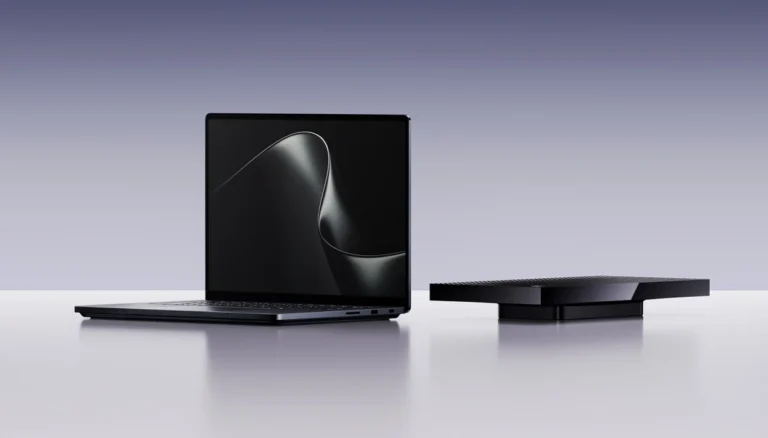
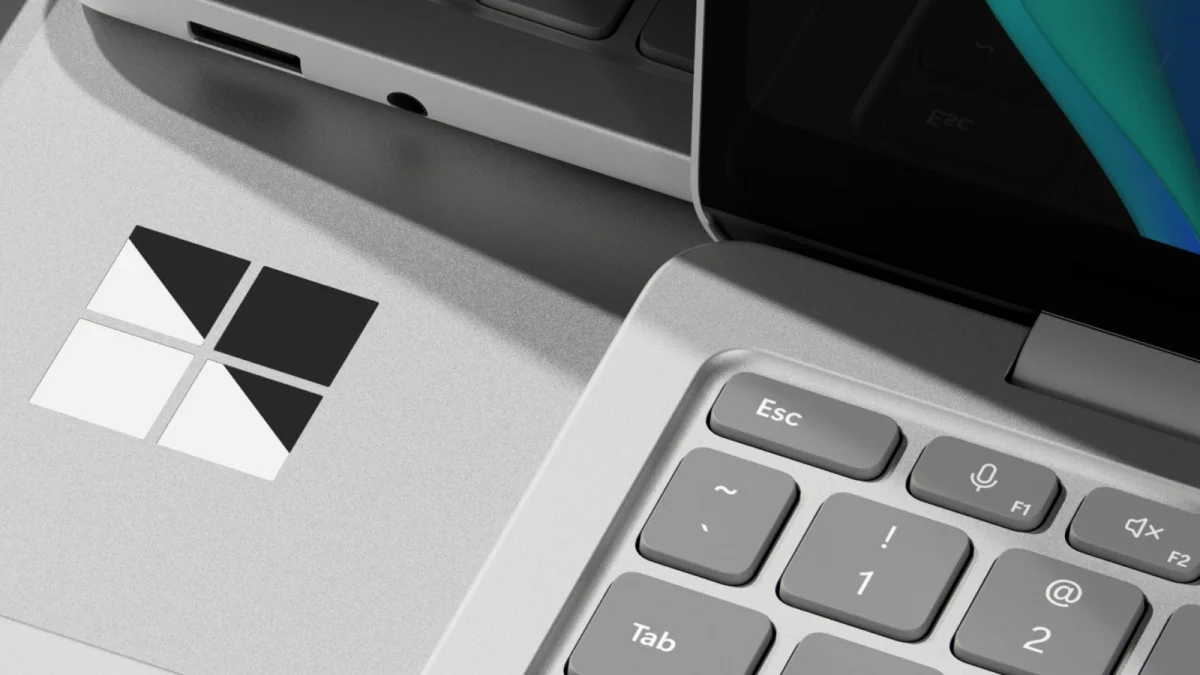
Beyond software optimization, Microsoft generated intense developer enthusiasm by introducing the Surface RTX Spark Dev Box. This specialized mini-desktop caters directly to heavy artificial intelligence engineering workloads.
The system harnesses the immense capabilities of the NVIDIA RTX Spark Superchip to deliver 1 Petaflop of local computational power. Mirroring the flagship Surface Laptop Ultra, the workstation incorporates a massive 128GB unified memory pool alongside superior thermal ventilation. Microsoft pre-loads each machine with the optimized Windows 11 developer image. Ultimately, this system allows engineers to execute large-scale model fine-tuning and test agent pipelines locally without financial friction.
The Strategic Pivot: Anchoring the Azure Cloud Ecosystem
Microsoft’s tactical trajectory at Build 2026 highlights a profound shift in market psychology. The technology giant clearly recognizes that computational costs during the initial prototyping phase are becoming unsustainably expensive for startups.
Instead of forcing all development workloads onto remote servers, Microsoft executed a brilliant counter-maneuver. By delivering Coreutils, integrated WSL containers, the secure MXC sandbox, and the Surface Dev Box, the enterprise offers an unassailable proposition. They invite global creators to remain within the Windows ecosystem by providing an optimal local sanctuary.
Crucially, this localized closed-loop strategy serves to fortify the long-term dominance of the Azure cloud. Once developers habituate their workflows to this deeply integrated environment, the path forward becomes clear. When these local models mature and require global, commercialized scaling, Azure remains the most natural and seamless deployment destination.
Support Our Threat Intelligence
If you find our technology report and cybersecurity news helpful, consider supporting our work.
 Buy Me a Coffee
PayPal
Buy Me a Coffee
PayPal