Following Sony’s previous announcement to cease production of physical PlayStation game discs by 2028, the transition of home consoles toward an “all-digital” future has become an irreversible trend. Meanwhile, Microsoft appears to be accelerating its pace with a significantly more comprehensive strategy.
According to leaked internal documents acquired by The Verge, Microsoft is actively propelling two monumental initiatives for developers. These include introducing the classic Xbox 360 gaming catalog to the PC platform and future Xbox devices, alongside preparations to launch a polarizing “Disc-to-Digital” program.
Xbox 360 Titles Transition to PC and Project Helix
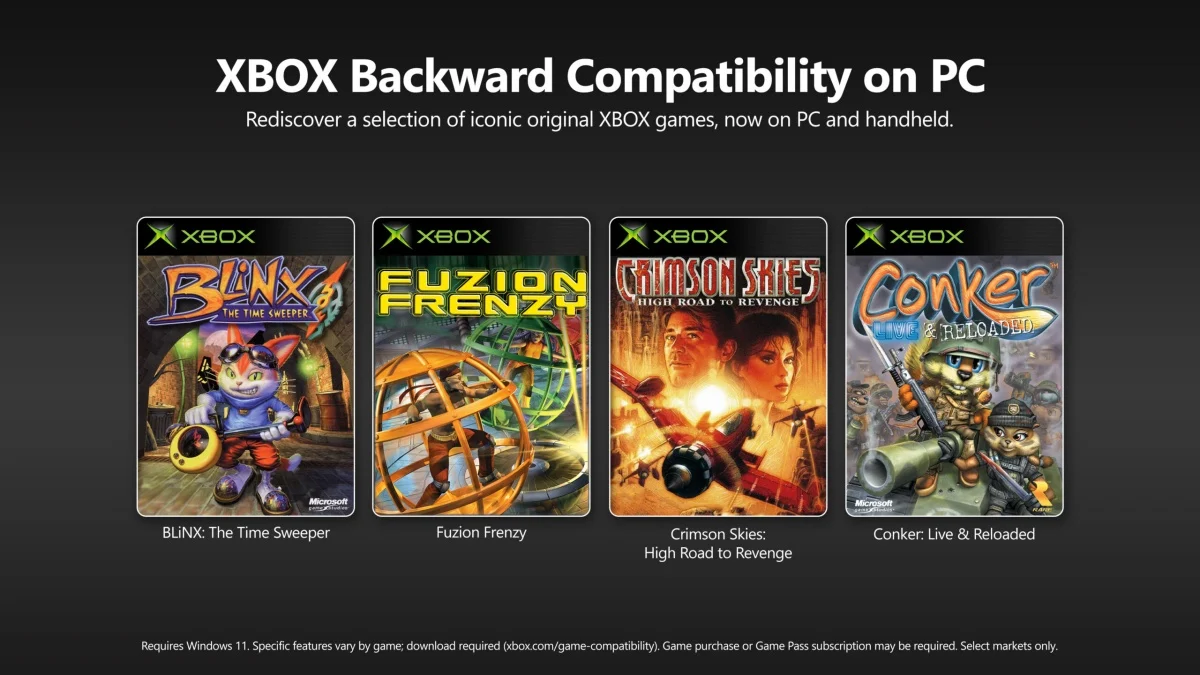
The documents reveal Microsoft’s intent to permit developers to utilize backward compatibility technology. This enables Xbox 360 games to run natively on standard gaming PCs, prospective handheld devices, and the next-generation Xbox console, codenamed “Project Helix.”
This initiative is slated for a gradual rollout on next-generation hardware between 2027 and 2028. Preceding this, Microsoft actually commenced testing the integration of original Xbox games onto the PC platform in July of this year, anticipating a comprehensive official launch by October.
The underlying technical architecture warrants particular attention. Reports indicate that when Microsoft began porting Xbox titles to PC weeks ago, data miners discovered an official emulator designated “Fission” (or Xe03) within the files. Originally designed to execute Xbox 360 games on the Xbox One and Xbox Series X|S, this software suite also harbors the “Fusion” (or XeFu) emulator for original Xbox simulation. Furthermore, developers have been granted permission to dismantle and repurpose these tools to emulate an even broader spectrum of games.
Microsoft’s architectural approach signifies that developers will bypass arduous secondary engineering modifications. Instead, they can directly leverage official Microsoft emulators to resolve cross-platform computational hurdles. Concurrently, developers retain the autonomy to establish pricing and determine whether their titles will join the Game Pass subscription catalog.
The Endgame for Physical Media: The Disc-to-Digital Initiative
For purists who steadfastly purchase physical discs, Microsoft’s impending maneuvers will fundamentally revolutionize the paradigm of game ownership.
According to the leaked internal roadmap, the Disc-to-Digital initiative (internally dubbed Project Positron) was initially scheduled for testing via the Insider program in July. It is now slated for official deployment to all Xbox One and Xbox Series X users in August.
The mechanics of this initiative operate as follows:
When a player inserts an Xbox One or Xbox Series X game disc into a console equipped with an optical drive, the system actively scans and extracts the unique key embedded within the disc. This process generates a “digital license” irrevocably tethered to both the player’s account and that specific physical medium.
Once converted, this physical disc can never authenticate on another console. It becomes ineligible for rental, lending, or secondhand resale. However, should the original owner elect to transfer the physical disc, the digital ownership can simultaneously migrate to the new purchaser, instantaneously revoking the original owner’s access to the digital iteration.
Author’s Perspective
These two substantial maneuvers by Microsoft vividly delineate its strategic blueprint for the future gaming market.
First, channeling the immense Xbox 360 library to the PC platform and the forthcoming Project Helix via potent official emulators demonstrates Microsoft’s commitment to fortifying its “Xbox Play Anywhere” ecosystem. Enabling players to purchase a title once and access it across all devices unequivocally amplifies retention within the Xbox ecosystem.
Conversely, the Disc-to-Digital program represents a profoundly controversial double-edged sword. Optimistically, this serves as a transitional safeguard, ensuring that players possessing physical libraries can continue enjoying legacy titles in a prospective “disc-less console” era (considering Project Helix may omit an optical drive entirely).
From a more critical vantage point, the intrinsic nature of this mechanism aims to obliterate the liquidity of physical media. Once a disc becomes tethered to a singular digital license, the physical medium is reduced to a hollow “physical authentication key,” systematically extinguishing the inherent value of the secondhand gaming market.
Perhaps this represents the ultimate stratagem deployed by console manufacturers like Microsoft and Sony to circumvent physical retail margins and mitigate losses from the pre-owned trade. Whether the gaming populace will embrace this “physical in name, digital in reality” licensing model remains subject to rigorous market validation.
Support Our Threat Intelligence
If you find our technology report and cybersecurity news helpful, consider supporting our work.
 Buy Me a Coffee
PayPal
Buy Me a Coffee
PayPal