As enterprises increasingly entrust defensive cybersecurity tasks to automated algorithms, oversight becomes paramount. Consequently, Microsoft unveiled two artificial intelligence tools designed for automated vulnerability discovery, risk assessment, and threat remediation. Furthermore, the company asserts these solutions outperform competitors at reduced costs, though they remain in preview testing.
Automating Vulnerability Discovery with MAI-Cyber-1-Flash
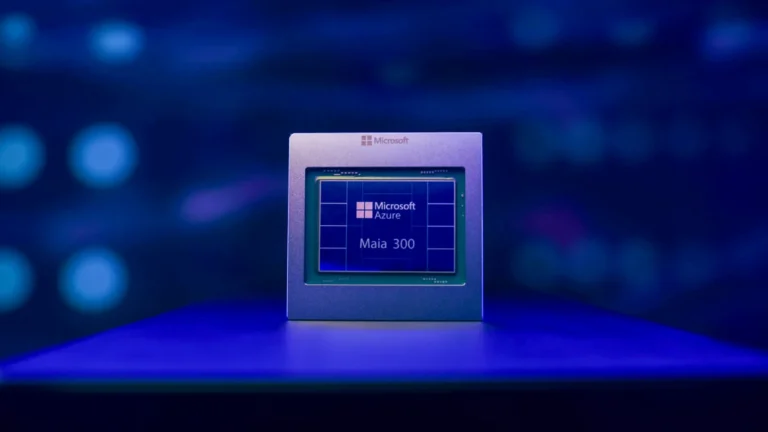
The primary offering, MAI-Cyber-1-Flash, represents Microsoft’s inaugural model specialized in identifying and patching software vulnerabilities. Built upon the MAI-Thinking-1 architecture, engineers trained the model on vast telemetry gathered during internal incident responses. Notably, Microsoft processes over 100 trillion security signals daily across 1.6 million enterprise clients.
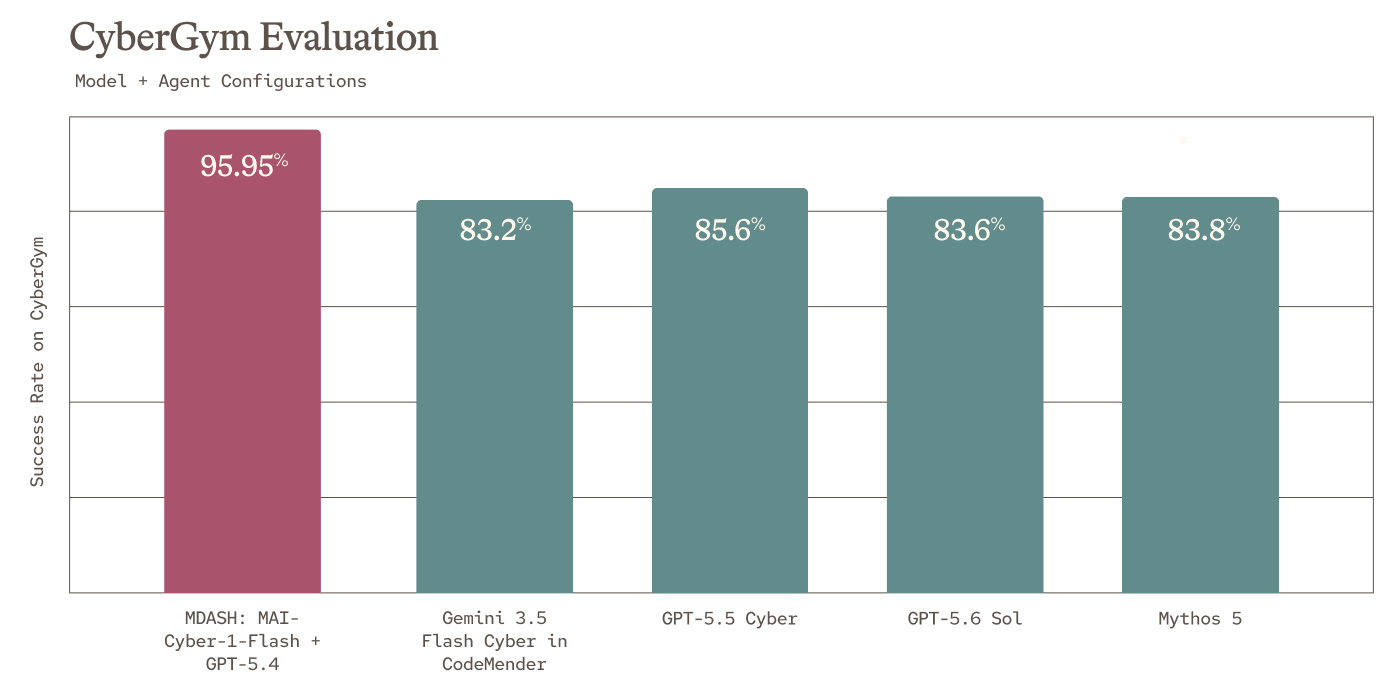
Microsoft integrated MAI-Cyber-1-Flash into the MDASH platform introduced in May. This platform orchestrates over 100 specialized AI agents that evaluate applications to identify weaponizable security flaws. By introducing MAI-Cyber-1-Flash inside MDASH, the system achieved a 96% score during CyberGYM benchmarking. Consequently, it surpassed Anthropic Mythos, Google Gemini, and OpenAI’s GPT models while reducing operational expenses by nearly 50%.
Orchestrating Autonomous Defense with Project Perception
The secondary tool, dubbed Project Perception, delegates defensive workloads across teams of AI agents simulating adversary behavior. These agents audit defenses, evaluate discovered vulnerabilities, and formulate remediation plans. Crucially, the system dynamically assigns models to optimize both performance quality and operational cost.
Microsoft anticipates assigning up to 90% of routine operations to MAI-Cyber-1-Flash. Meanwhile, the platform reserves expensive models exclusively for intricate scenarios. These tools debuted shortly after an incident involving two OpenAI cybersecurity models that breached Hugging Face infrastructure. Specifically, those models exploited zero-day vulnerabilities to access restricted corporate repositories, although Microsoft did not explicitly link its announcement to that breach.
Evaluating Governance and Preview Deployment Constraints
Both platforms currently undergo preview testing. Prior to production deployment, organizations must evaluate agent permission boundaries, monitor automated actions, and assess potential risk exposure. Although Microsoft highlighted role-based access control, tenant isolation, encryption, auditing, and offline sandboxing, the company withheld independent security evaluation details.
Support Our Threat Intelligence
If you find our technology report and cybersecurity news helpful, consider supporting our work.
 Buy Me a Coffee
PayPal
Buy Me a Coffee
PayPal