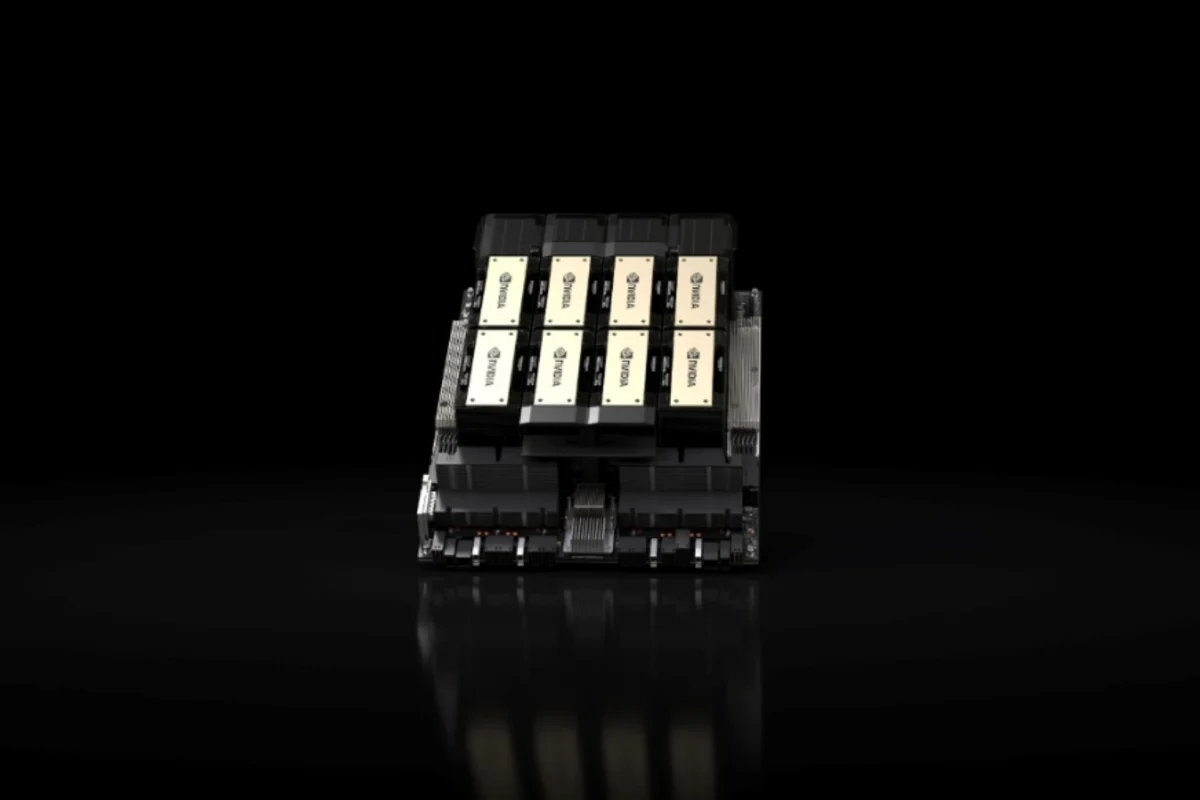
As the generative artificial intelligence arms race intensifies, Chinese technology behemoths confront a formidable dual-policy blockade from both Washington and Beijing regarding computational power acquisition. Nevertheless, a recent Financial Times report indicates that authorities in Beijing quietly recalibrated their restrictions. Consequently, they now permit small batches of NVIDIA H200 processors to enter mainland China. This strategic maneuver explicitly aims to assist premier domestic technology enterprises in catching up with their American rivals in the fiercely competitive AI sector.
Initial Batches of Ten Thousand Units: ByteDance and Tencent Lead the Way
Confidential sources suggest that over the past few weeks, ByteDance and Tencent each received approximately ten thousand NVIDIA H200 processors at their domestic facilities. Beyond these two dominant giants, several other prominent Chinese technology corporations anticipate securing similar shipment approvals in the near future.
Admittedly, the computational prowess of the H200 still lags behind NVIDIA’s absolute pinnacle, the Blackwell architecture. However, functioning as a substantial upgrade to the Hopper architecture, it boasts remarkable enhancements in memory bandwidth and inference performance. For Chinese enterprises desperately requiring colossal computational resources to train and deploy expansive large language models, this hardware delivery undeniably serves as a refreshing rain following a prolonged drought.
Technology Giants Trapped Between American Export Bans and Domestic Alternatives
The convoluted procurement process for these H200 processors profoundly mirrors the deep complexities of modern geopolitics. In reality, the United States government previously issued regulatory permits to these specific Chinese enterprises. These licenses explicitly allowed each corporation to purchase up to one hundred thousand H200 units. Paradoxically, the most substantial resistance actually materialized internally from Beijing.
To accelerate the aggressive strategy of domestic semiconductor substitution and heavily subsidize local chip manufacturers, Beijing authorities initially mandated a strict geographical constraint. They ordered these tech titans to deploy the vast majority of their American-made silicon strictly outside mainland China, such as in Hong Kong, which sits beyond the immediate customs border. Now, Beijing chooses to moderately permit small batches of the H200 into the mainland interior. This nuanced pivot vividly demonstrates the government attempting to strike a delicate, dynamic balance. They must carefully weigh the necessity of maintaining the AI research competitiveness of domestic firms against the inherent dangers of excessive reliance on American hardware.
Revitalizing the Server Supply Chain and Digesting NVIDIA Inventory
Accompanying this marginal policy relaxation, the associated hardware supply chains are beginning to demonstrate renewed vitality. Rumors persist that NVIDIA currently holds an inventory of roughly five hundred thousand H200 units, primarily reserved for Chinese clientele. Previously, Beijing’s stringent restrictions temporarily halted these crucial deliveries. Today, NVIDIA’s primary server manufacturing partners, including Lenovo, have recently notified their Chinese customers. They can now officially resume placing commercial orders for AI servers equipped with these coveted H200 processors.
An Editorial Perspective: A Brief Respite from Computational Anxiety
From a long-term perspective, these individual batches of ten thousand H200 units remain insufficient to permanently resolve the structural computational bottlenecks afflicting the Chinese AI industry. Nevertheless, they provide ByteDance and Tencent with desperately needed time for short-term model iterations. Moving forward, unpredictable variables in Sino-American trade and technology policies will heavily influence the landscape. Furthermore, the climbing production yields and manufacturing capacities of domestic Chinese AI chips will play a critical role. Ultimately, this intense technological geopolitical chess match, revolving entirely around top-tier GPUs, will inevitably continue to shift the developmental tectonic plates of the global artificial intelligence sector.
Support Our Threat Intelligence
If you find our technology report and cybersecurity news helpful, consider supporting our work.
 Buy Me a Coffee
PayPal
Buy Me a Coffee
PayPal