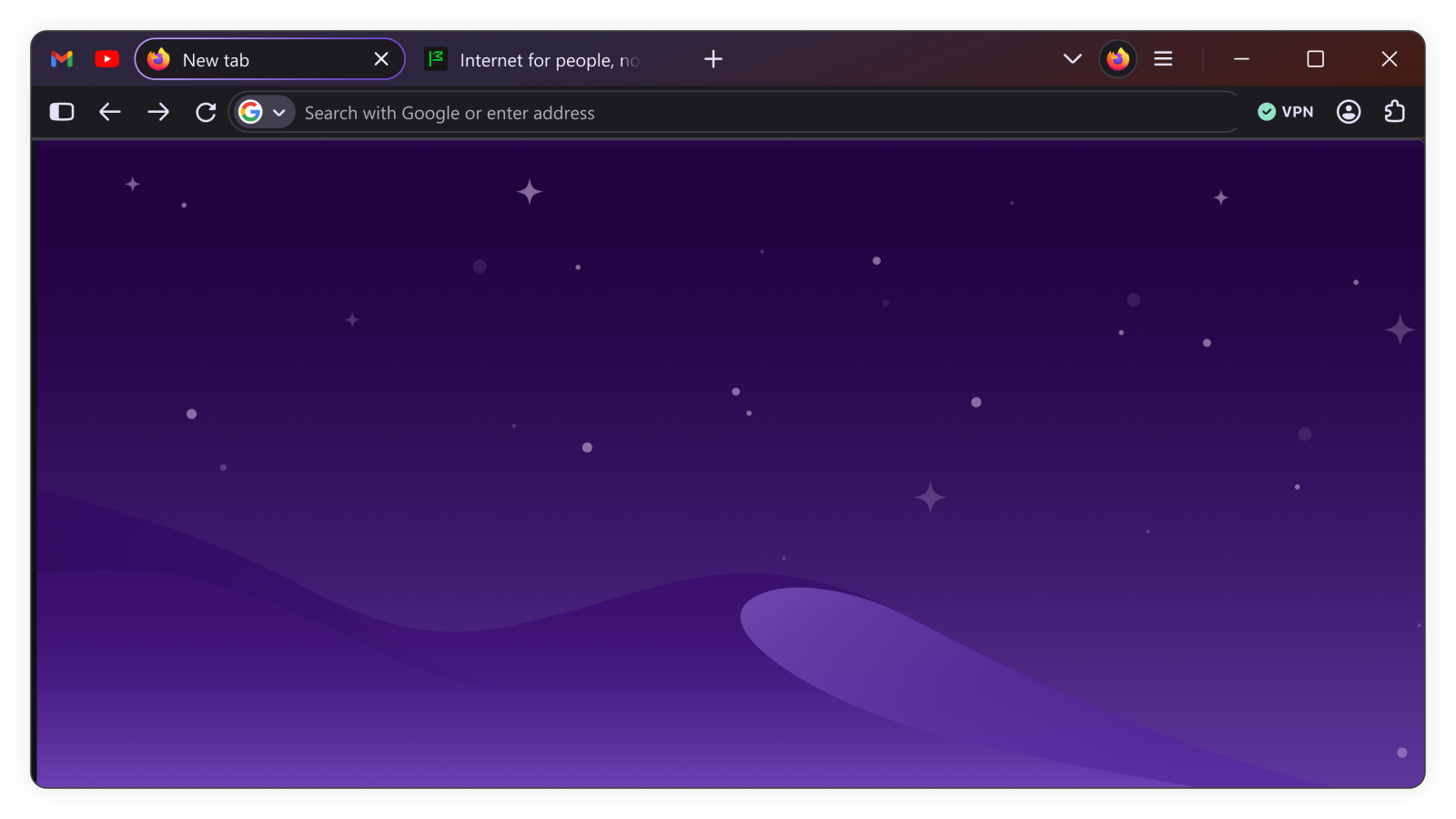
Advertisements in Firefox for iOS can now disappear before a page even finishes loading. Mozilla has begun gradually rolling out a built-in ad blocker within the browser itself, eliminating the need for users to install a separate app or extension. The experimental feature has not yet reached every user and remains disabled by default.
How the Built-In Blocker Works
Once activated, Firefox applies filters based on the EasyList filter list and blocks a portion of advertising requests at the network level. The browser intercepts third-party ad networks, advertising trackers, on-site banner ads, pop-up windows, and elements that overlay page content. Users can enable or disable the tool through the browser’s settings menu or via the per-site menu on an open webpage, as Mozilla explains in its official support documentation.
What the Blocker Cannot Filter Out
The browser cannot fully clean every page of advertising content. Firefox still allows ads to appear within search results from Google, Bing, DuckDuckGo, and other search engines, as well as sponsored content displayed on the browser’s homepage and new-tab page. Different websites deliver ads through a variety of technical methods, and the current filter set does not recognize every format in use.
Because of these constraints, the built-in feature may perform less thoroughly than specialized third-party solutions such as Wipr or Ghostery. That said, enabling blocking in Firefox requires nothing more than a single toggle within the browser itself. Mozilla is also not the first browser developer to introduce built-in ad-blocking protection on iOS: Brave already offers its own tools for blocking ads and advertising trackers.
The Next Battlefield: AI-Generated Advertising
Meanwhile, Adblock Plus has warned that conversational AI services are emerging as the next major front in the fight against advertising. Filter lists have already grown adept at identifying discrete, conventional ad blocks, but commercial recommendations embedded within AI-generated chatbot responses are considerably harder to detect. Advertisers can generate this kind of promotional content dynamically and disguise it as an ordinary, organic response, making it far more difficult for existing filtering approaches to catch.
Support Our Threat Intelligence
If you find our technology report and cybersecurity news helpful, consider supporting our work.
 Buy Me a Coffee
PayPal
Buy Me a Coffee
PayPal