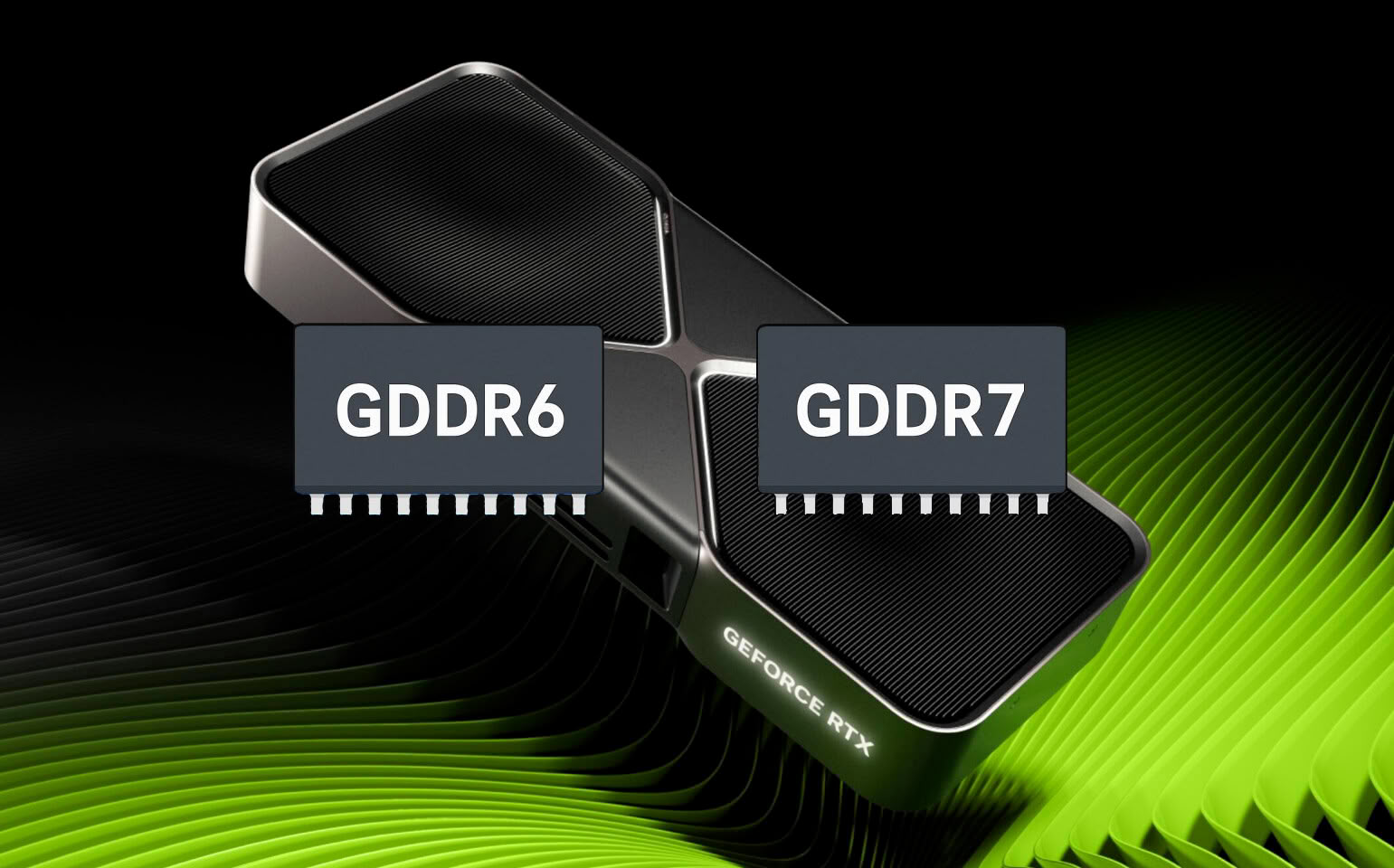
Supply Chain Adjustments Target GDDR6 and GDDR7
Industry reports indicate that NVIDIA has officially notified its Add-In-Card (AIC) and Add-In-Board (AIB) manufacturing partners regarding impending price adjustments for GDDR video memory kits. This cost revision encompasses both cutting-edge GDDR7 memory modules and mature GDDR6 components. Consequently, the operational impact extends beyond premium flagship graphics cards to encompass mainstream and entry-level consumer models. Additional details regarding these market dynamics can be found in the coverage on NVIDIA raising GeForce GPU kit prices for GDDR7 and GDDR6 models.
Although NVIDIA has yet to issue a public statement defining the exact percentage increases, execution timelines, or specific affected stock-keeping units (SKUs), market analysts view these adjustments as predictable. The aggressive expansion of artificial intelligence server infrastructure continues to devour high-bandwidth memory capacity. This trend places persistent upward pressure on GDDR6 and GDDR7 pricing, ultimately transferring financial burdens onto board partners and end consumers.
Monetary Pressure Stemming from Memory Components
Crucially, the current price escalation originates from memory architecture costs rather than silicon GPU dies. Supply chain intelligence confirms that NVIDIA revised component quotations for GDDR6 and GDDR7 memory kits, directly inflating bill-of-materials (BOM) expenses for board manufacturers.
While GDDR7 primarily powers the flagship RTX 50 series, GDDR6 remains integral to select RTX 40 series models and entry-level SKUs. A concurrent price surge across both memory generations guarantees that cost hikes will proliferate throughout the entire consumer graphics ecosystem. For AIC partners operating on razor-thin margins in the mid-to-low tier, absorbing these cost increases internally is unsustainable. Consequently, higher retail prices remain inevitable.
Partner Inventory Retention and Market Delays
Although NVIDIA communicated these pricing revisions internally, the formal policy takes effect in August 2026. In anticipation, numerous AIC partners have temporarily suspended inventory shipments to re-evaluate pricing strategies post-implementation. This inventory retention has severely constricted retail supply in late July, enabling merchants to prematurely inflate prices on premium inventory such as the RTX 5090D V2.
Financial metrics indicate specific baseline increases tied to VRAM capacity:
- 8GB VRAM: Increases by $76 per unit.
- 12GB VRAM: Increases by $114 per unit.
- 16GB VRAM: Increases by $152 per unit.
Furthermore, escalating GDDR7 procurement costs have severely altered product roadmaps. Multiple board partners were preparing to launch the RTX 50 SUPER series; however, exorbitant memory acquisition expenses have forced NVIDIA to temporarily suspend the release of the RTX 50 SUPER lineup.
Support Our Threat Intelligence
If you find our technology report and cybersecurity news helpful, consider supporting our work.
 Buy Me a Coffee
PayPal
Buy Me a Coffee
PayPal