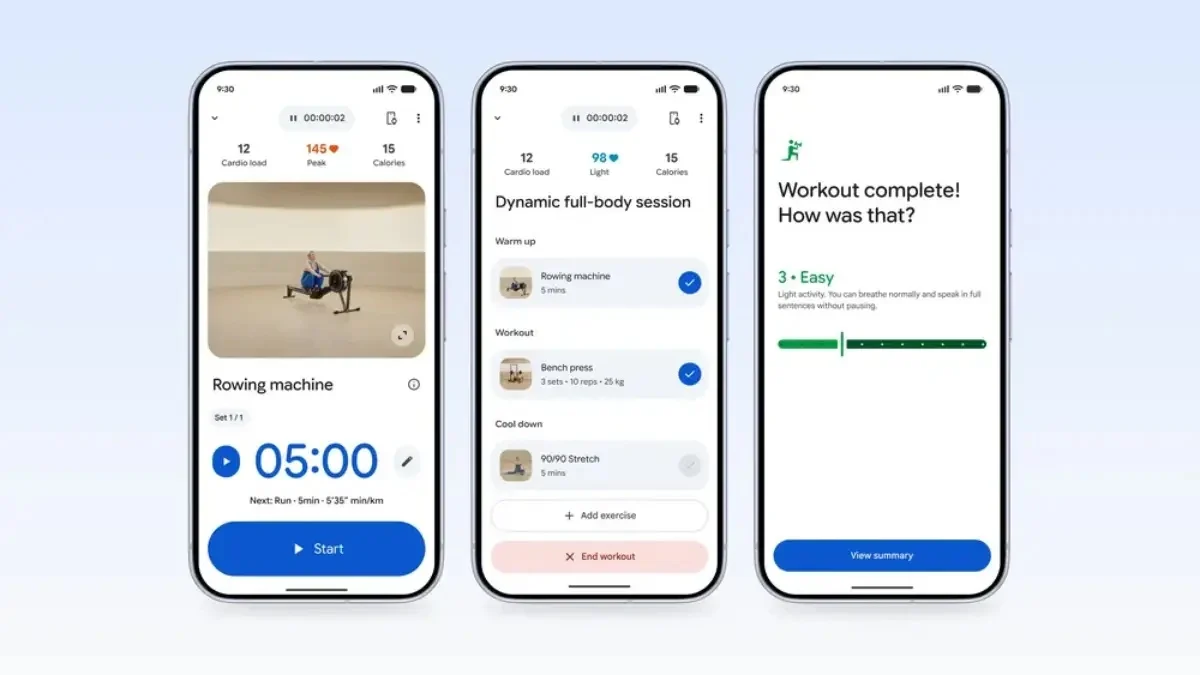
As previously intimated by market rumors, Google has finally orchestrated a comprehensive consolidation of its health data ecosystems, announcing a momentous update slated for May 19. This transition will witness the metamorphosis of the legacy Fitbit App into the all-encompassing Google Health App, complete with a revitalized visual identity. This nascent platform is designed to serve as a singular gateway for the aggregation of all health and wellness metrics. Simultaneously, the Gemini AI-powered “Google Health Coach” will emerge from its beta phase to become a permanent fixture within Google’s subscription architecture.
The architecture of the new Health App has undergone significant refinement and optimization, organized around four quintessential pillars:
- Today: Offers a panoramic overview of daily metrics and activity status; for subscribers of the AI coach, this section will also render bespoke, data-driven insights.
- Fitness: Features an extensive repository of training regimens, summaries of recent physical endeavors, and a novel “Weekly Plan” functionality, wherein the AI coach facilitates the curation of a tailored exercise schedule.
- Sleep: Provides a granular examination of sleep quality scores, total duration, and sophisticated REM (Rapid Eye Movement) phase analysis.
- Health: Monitors vital physiological indicators, including heart rate, body mass, blood oxygen saturation, and arterial pressure.
For users within the United States, this update introduces a formidable new capability: the synchronization of medical records. Users will be empowered to review laboratory diagnostic reports and pharmaceutical regimens directly within the application. Google emphasizes that this clinical data remains sequestered within the app, granting users absolute sovereignty over data dissemination—such as the elective synchronization of step counts with third-party platforms like Peloton or MyFitnessPal.
Concurrently, Google has reaffirmed a foundational pledge made during the acquisition of Fitbit: “The health and wellness data of users shall never be utilized for Google’s advertising endeavors.”
The “Google Health Coach”—which debuted last year and enlisted the participation of NBA luminary Stephen Curry during its experimental phase—will achieve a global release alongside the new application on May 19. This launch heralds a comprehensive restructuring of the subscription model; the venerable “Fitbit Premium” will yield to “Google Health Premium,” with pricing maintained at $10 monthly or $99 annually. In a strategic maneuver, this service will be included at no additional cost for all Google AI Pro and Ultra subscribers.
The Google Health Premium suite will initially prioritize compatibility with Fitbit and Pixel Watch devices, with anticipated expansions to a broader hardware portfolio in the future.
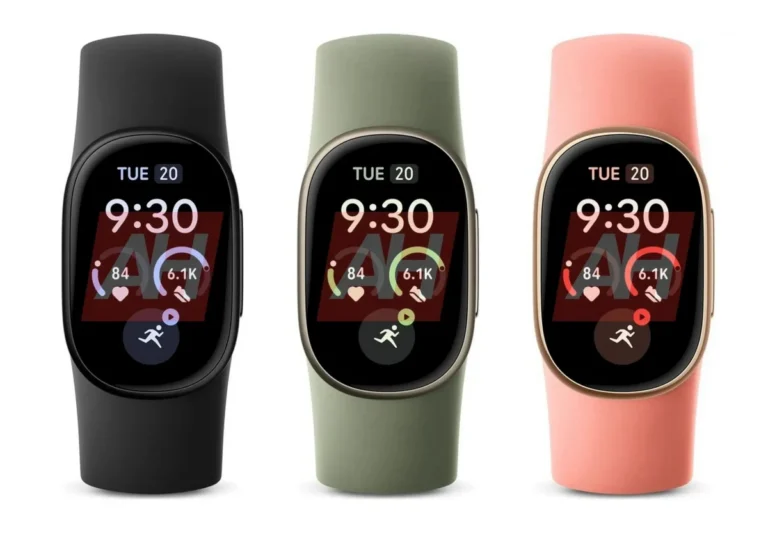
Furthermore, addressing the lingering ambiguity surrounding the Google Fit App, officials have indicated that migration invitations will be dispatched later this year to facilitate the seamless transfer of data to the new Health ecosystem. This strategic software realignment is poised to reach its zenith on May 26, coinciding with the official commercial debut of the “Fitbit Air” wearable device.
Support Our Threat Intelligence
If you find our technology report and cybersecurity news helpful, consider supporting our work.
 Buy Me a Coffee
PayPal
Buy Me a Coffee
PayPal