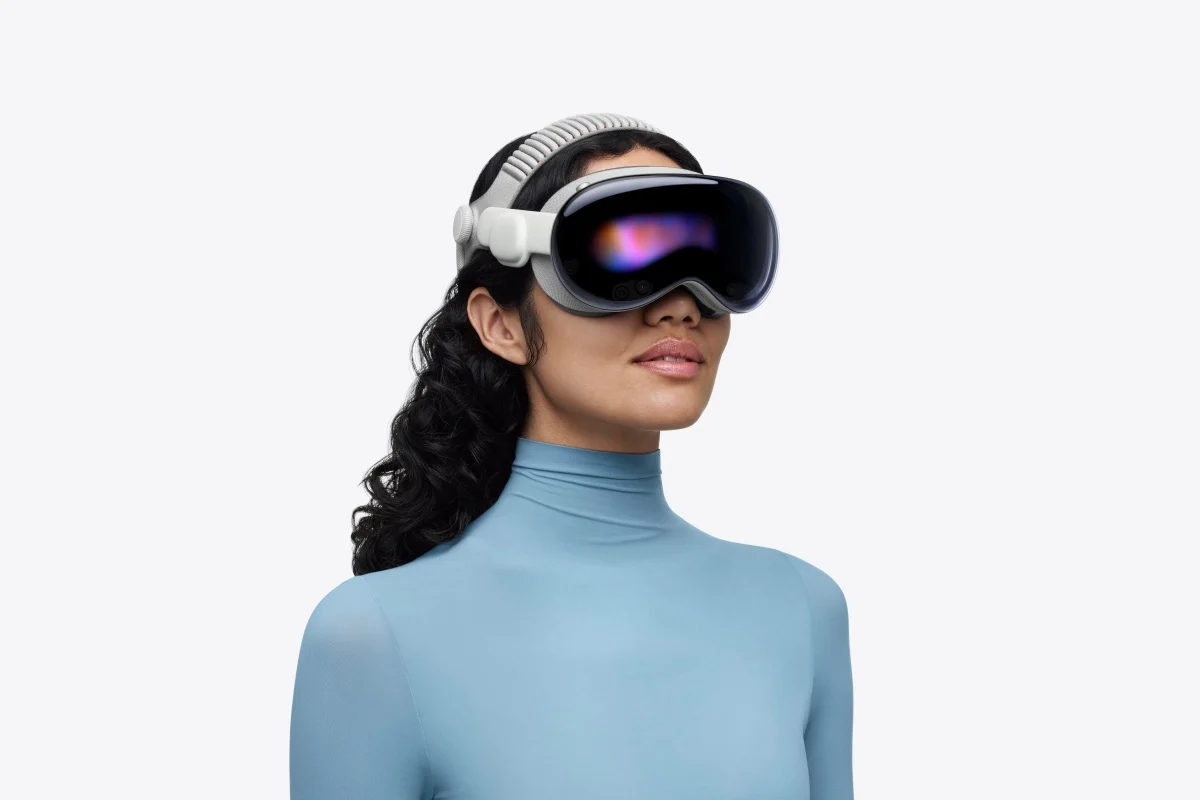
Apple’s push into smart glasses has drawn intense attention. Yet consumers may need to wait a while longer for this eagerly awaited wearable. According to a recent report from Bloomberg’s Mark Gurman, Apple has pushed back the launch of its first smart glasses, known internally as N50.
The device may now debut no sooner than WWDC 2027 in June. An official retail release is expected around late 2027.
The roughly six-month delay has an unusual cause. It stems not from a simple hardware or software snag, but from a fierce internal debate. To meet Apple’s famously strict privacy standards, the company is reshaping the product’s core features.
Privacy Becomes the Hardware Team’s Top Priority
Gurman reports a clear shift in focus. The Vision hardware team building the glasses, along with other departments, now treats privacy protection as the project’s first priority.
Apple’s caution draws heavily on a rival’s missteps. Meta’s Ray-Ban glasses succeeded commercially, yet they recently sank into a privacy storm. Reports revealed that users’ private footage was sent overseas for human labelling, and Meta now faces a class-action lawsuit in the United States.
Apple understands the danger well. This product line is easily branded with the “spy glasses” label. Therefore, any privacy lapse could shatter the “privacy defender” image Apple has cultivated for years.
Three Radical Camera Options Under Review
To handle this hot potato, Apple is developing new hardware and software privacy features that current smart glasses lack.
On the software side, Apple plans a stricter anti-tampering mechanism. For instance, if the system detects that the LED recording indicator has been covered or damaged, the glasses will forcibly disable all recording.
The hardware camera decision looms largest, though. Gurman says Apple is weighing three different directions.
- A traditional camera setup, letting users freely capture photos and videos much like Ray-Ban Meta.
- An AI-only vision input camera, which keeps a camera but strips out all user photo and video capture; the feed serves only as input for Apple Intelligence or Siri visual recognition, analysing the surroundings to offer navigation or answers, and thereby removing the covert-recording worry at the root.
- A camera-free option, an ultimate prototype with no camera at all, delivering smart services purely through voice and sensors.
A WWDC Debut Signals a Defensive Strategy
One detail rewards closer reading. Apple chose WWDC 2027, not its traditional autumn hardware event, as the launch stage. It made a similar choice when it unveiled the first Vision Pro at WWDC 2024.
The reasoning fits a privacy-charged device. Apple must first present developers, regulators, and the mass market with an airtight software privacy framework and clear AI-computing rules, such as an insistence on on-device processing. In effect, software will define and shield the hardware.
Even so, the camera verdict poses a real commercial test. First-person POV capture is the biggest reason most consumers buy Meta’s glasses today.
Suppose Apple limits photography for the sake of absolute privacy, or even ships a camera-free version. Priced somewhere between $200 and $500, would such glasses still hold enough market appeal? That question now hangs over the whole project.
Support Our Threat Intelligence
If you find our technology report and cybersecurity news helpful, consider supporting our work.
 Buy Me a Coffee
PayPal
Buy Me a Coffee
PayPal