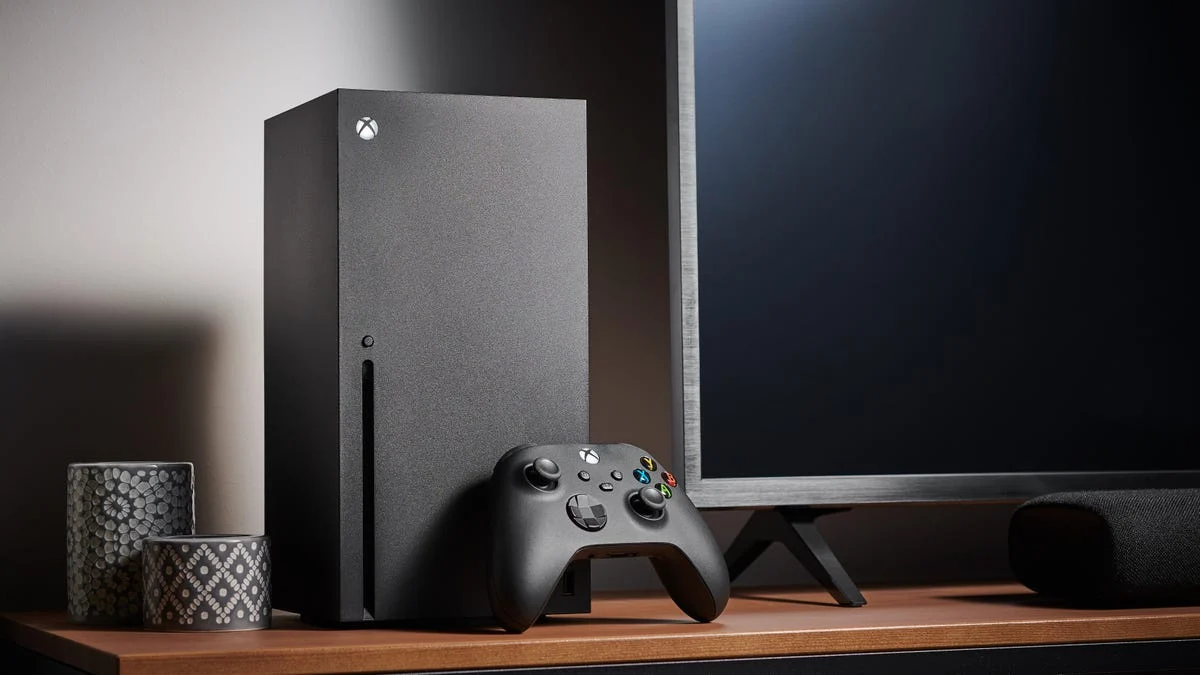
Earlier this week, Xbox endured a severe network outage lasting nearly 16 to 24 hours. Consequently, this disruption prevented players from logging into their accounts or accessing their digital game libraries. Most shockingly, even physical disc games inserted into the console ceased to function entirely. Clearly, this incident shattered the long-held belief that physical discs guarantee a reliable offline safety net.
Server Collapse and Cache Failures Trigger a Chain Reaction
Xbox Chief Technology Officer Scott Van Vliet addressed this incident directly. He frankly admitted that this situation remains entirely unacceptable. Furthermore, Van Vliet explained the root cause of the disconnection. A critical Microsoft internal authorization service completely failed. Although independent of Xbox, the console ecosystem relies heavily upon it. Therefore, this catastrophic failure paralyzed all operations requiring an entitlement check. This crippling effect included listing complete game libraries and launching titles.
Players immediately questioned why physical discs could not launch offline. In response, Van Vliet clarified a crucial point. Disc-based rights verification should never block players from accessing their games. Indeed, this flaw contradicts the original system design. Normally, the Xbox offline mode relies on locally stored authorizations to function. However, the system failed to read these local authorization files correctly during this specific outage. Consequently, physical discs refused to launch.
Microsoft promised to patch this vulnerability in an upcoming system update. Ultimately, this fix will ensure physical discs operate normally during future network interruptions.
Comparing Console Outages: PSN Disconnection and Marvel Tokon
This Xbox public relations crisis sparked intense discussion for a specific reason. It relates closely to another recent disconnection controversy within the gaming community. Just days prior, the PlayStation Network experienced a massive outage lasting several hours. Unfortunately, this downtime coincided with a highly anticipated event. Arc System Works launched the open beta for Marvel Tokon: Fighting Souls, a 4v4 superhero fighting game. As a result, countless eager players faced frustrating connection rejections.
However, many players could still enjoy their physical PlayStation discs offline during that network failure. These games functioned perfectly without network interference. In contrast, Xbox physical discs utilize an encrypted XVC file format. Essentially, they act more like digital keys requiring constant verification. Therefore, Xbox players cannot use their discs when both remote servers and local caches fail simultaneously.
The Transformation of Physical Discs and a Digital Future
The gaming industry currently stands at a crossroads regarding physical media. Meanwhile, the strategic moves of both major console factions are profoundly altering consumer habits. For instance, Sony reportedly plans to cease manufacturing new PlayStation physical game discs entirely by January 2028.
On the Microsoft side, rumors suggest their next-generation console might abandon disc drives completely. Industry insiders refer to this upcoming hardware as Project Helix. Additionally, reports indicate Microsoft is currently testing an internal Disc-to-Digital initiative. This program would allow players to insert their physical Xbox One or Series X discs into a console. Subsequently, the system would convert these games into digital licenses tied to their Microsoft accounts. Ultimately, this enables future gameplay on Xbox Cloud Gaming or disc-less consoles.
The Ultimate Paradox of Physical Media
Ultimately, engineers confirmed this Xbox disc disaster was merely a technical bug. Nevertheless, it nakedly exposes a brutal truth about the modern gaming industry. Current architectures rely heavily on digital rights management and remote verification. Consequently, the ultimate power over perceived physical assets rests entirely within corporate cloud servers. Players no longer truly own the physical media they purchase.
Furthermore, developers are progressively pushing towards pure digitalization and subscription models. As a result, future game preservation will face increasingly severe challenges. Similarly, consumer digital ownership rights will encounter unprecedented trials in the coming years.
Support Our Threat Intelligence
If you find our technology report and cybersecurity news helpful, consider supporting our work.
 Buy Me a Coffee
PayPal
Buy Me a Coffee
PayPal