Apple has already lifted retail prices sharply across most of its lineup. The company says it can no longer absorb punishing memory costs. Accordingly, this autumn’s flagship iPhones look set to carry higher price tags as well. Yet memory is only half the story. TSMC is raising its foundry prices too.
A 10% Foundry Price Hike Arrives in 2027
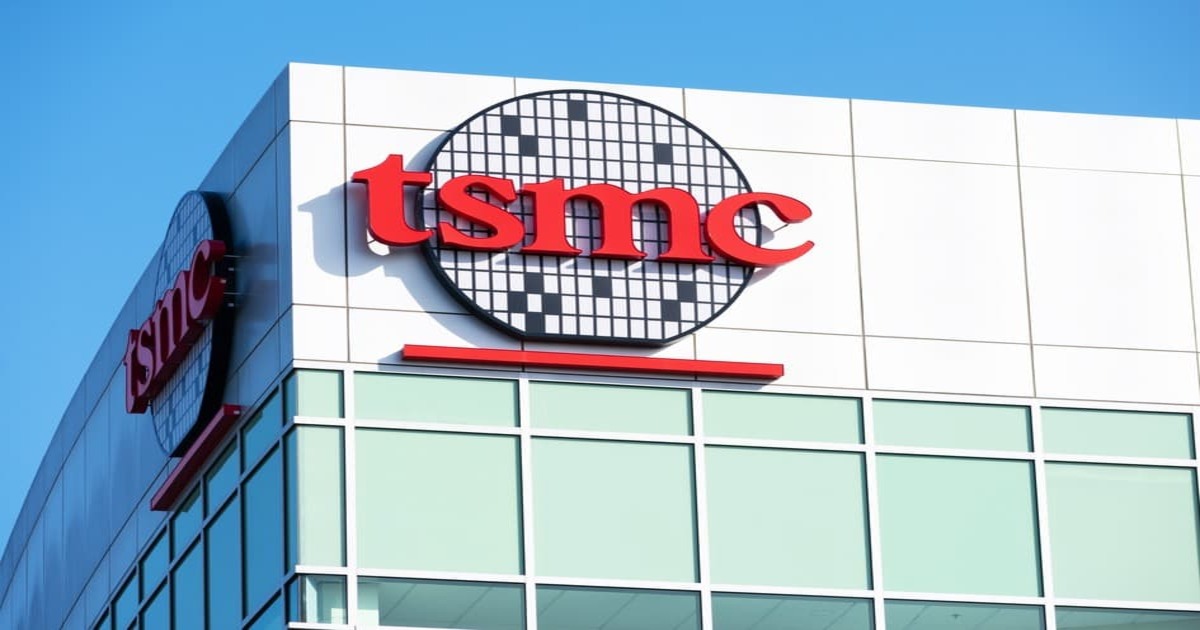
TSMC commands the advanced-node market today. Samsung, meanwhile, keeps pushing hard into leading-edge foundry work. Intel has also won over some customers with its 18A process. Even so, TSMC already raised prices in 2026. Now it intends to raise them again in 2027.
Nikkei Asia broke the story, citing multiple sources; Reuters relayed the report the same day. TSMC reportedly plans to raise prices for both advanced and mature nodes by as much as 10 percent. The increase reflects mounting costs for materials, manufacturing equipment, and new overseas fabs. TSMC declined to comment on pricing, though it described its approach as strategic rather than opportunistic.
What the Numbers Look Like
Base increases reportedly land between 5 and 10 percent. The exact figure varies by customer and product. Advanced processes at 7 nanometres and below fall within scope. So do mature nodes such as 12nm, 16nm, and 28nm. Negotiations began in June and wrapped up in July. The new rates take effect at the start of 2027.
A further surcharge awaits certain orders. Customers who request extra high-performance computing capacity beyond their original forecasts face an additional 10 to 15 percent premium. Consequently, some advanced orders could climb well past the headline figure. The measure bites hardest on AI accelerator customers. Apple could feel it too, however, should it underestimate demand and need to top up orders later.
The AI Boom Has Made Silicon Scarce
Memory prices soared for a familiar reason. The AI boom demands ever more HBM chips for accelerator cards and servers. HBM commands richer margins, so suppliers have pivoted toward it. That shift has throttled consumer DDR4, DDR5, and LPDDR output. With supply and demand badly mismatched, prices keep climbing.
Foundry pricing follows the same logic. Nvidia, AMD, Broadcom, and Google all need vast quantities of AI server silicon. Apple once reigned as TSMC’s largest customer. Nvidia has since claimed that crown, as its appetite for leading-edge capacity now eclipses Apple’s.
What This Means for Buyers
The AI tide shows no sign of receding. Therefore, memory and foundry prices will likely stay elevated in the near term. Retail prices should follow suit. Smartphones and PCs, above all, look poised to grow dearer or simply stay expensive.
Support Our Threat Intelligence
If you find our technology report and cybersecurity news helpful, consider supporting our work.
 Buy Me a Coffee
PayPal
Buy Me a Coffee
PayPal