In recent weeks, users across social platforms and forums have reported a troubling flaw on Samsung’s flagship Galaxy S26 Ultra. Their screens display an unexplained reddish cast, and some even show a pink rectangular patch emerging at the center of the panel. Samsung has now officially confirmed the phenomenon. Crucially, however, the company insists this is neither a hardware defect nor the OLED burn-in that many feared. Instead, it describes a color balance issue triggered under specific conditions, and it promises a software update to repair it.
How the Problem Unfolded: Prolonged Bright Light at Maximum Brightness
Discussions about the reddish discoloration trace back to shortly after the phone launched in March. Many affected owners reported that the red tint was absent out of the box. Rather, it developed gradually over several months of use. Moreover, the symptom appears most starkly on live demo units in carrier shops and Samsung Experience Stores.
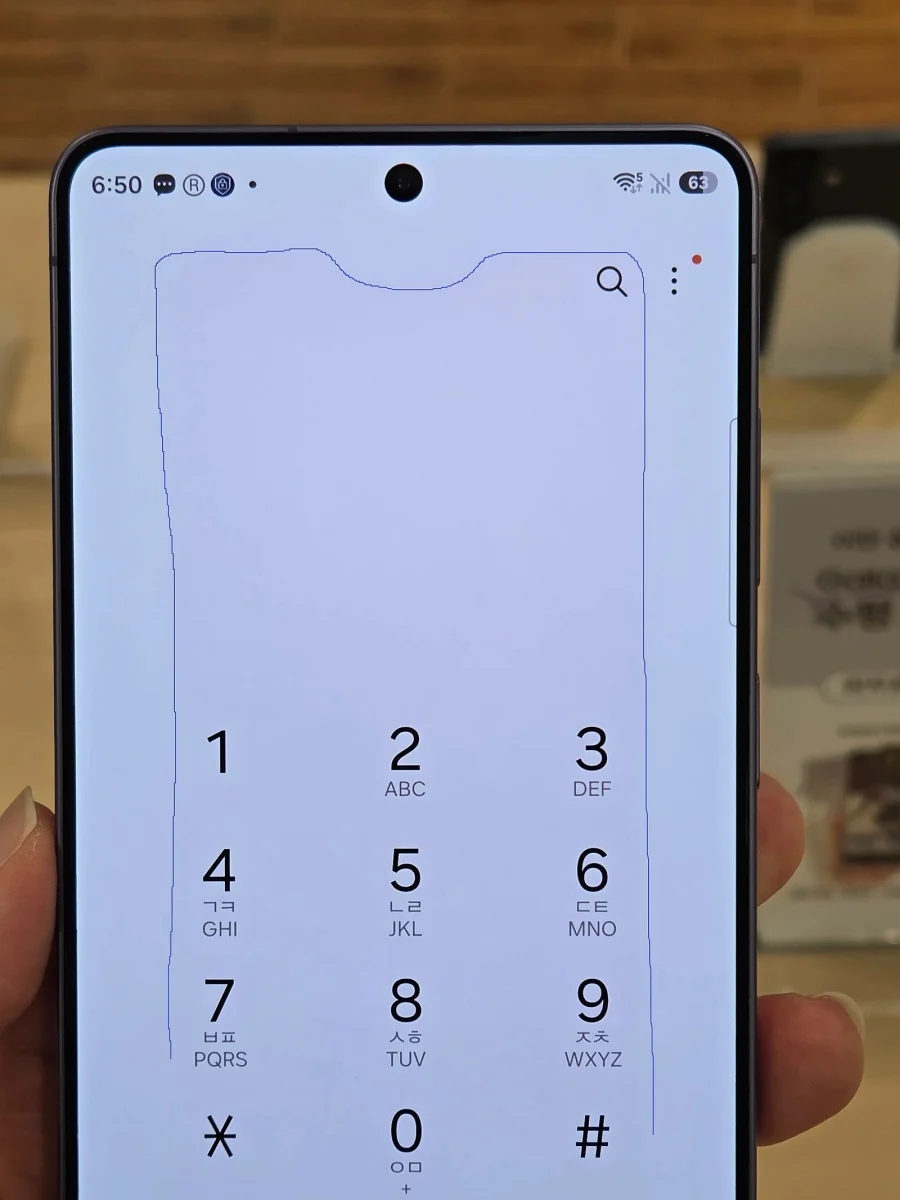
According to earlier reporting by Korean outlet News1, Samsung recalled and inspected affected devices and traced the root cause. In its subsequent statement, the company was explicit about the trigger. The red cast can appear when a phone runs at maximum brightness while sitting under intense lighting for extended periods precisely the conditions of a retail display environment.
Official Verdict: A Software Anomaly, No Panel Replacement Needed
To calm anxious owners, Samsung stressed that the panel itself suffers no physical damage. The company stated that the display continues to function normally. Because the fault is a color balance issue rather than a hardware defect, no screen replacement is necessary. Instead, software-based color calibration can resolve it directly.
Samsung further explained its remedy. The forthcoming update will draw on the company’s long-refined expertise in managing OLED quality. It will apply optimized adjustment values to restore uniform color balance across the entire screen.
No Rollout Date Yet
Even so, Samsung has not announced a firm timetable for a broad rollout of the fix. Meanwhile, some foreign media suggest an interim path. Affected users may initially need to visit a Samsung service center, where technicians will perform the software color calibration in person. Only later will a self-installable update reach users directly.
Is the Privacy Display Technology the Original Sin?
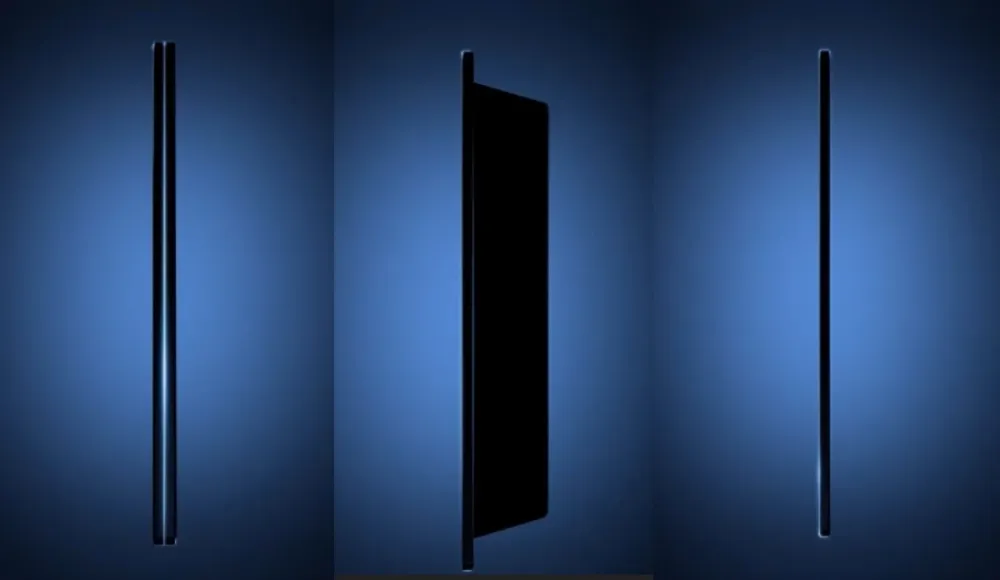
The red tint saga has also turned scrutiny toward the Galaxy S26 Ultra’s signature hardware innovation: the built-in Privacy Display.
The S26 Ultra remains the only smartphone on the market with native anti-peeping display technology. Through pixel-level dynamic adjustment, the feature sharply reduces screen visibility from side angles while leaving the front-facing view untouched, thereby shielding personal privacy.
Nevertheless, many netizens and forum communities suspect a connection. They speculate that this novel optimization, which alters the screen’s microscopic structure, malfunctioned in operation and produced the subsequent color deviation.
Not the Feature’s First Controversy
In fact, the Privacy Display has stirred debate before. At launch, its anti-peeping performance genuinely impressed reviewers. However, some sensitive users complained of eye strain, headaches, nausea, and even dizziness when viewing the screen with the feature enabled. Consequently, a portion of early buyers chose to return their devices.
Support Our Threat Intelligence
If you find our technology report and cybersecurity news helpful, consider supporting our work.
 Buy Me a Coffee
PayPal
Buy Me a Coffee
PayPal