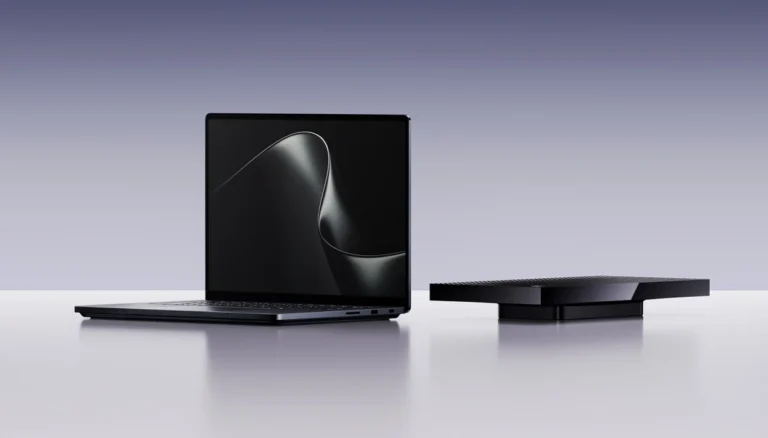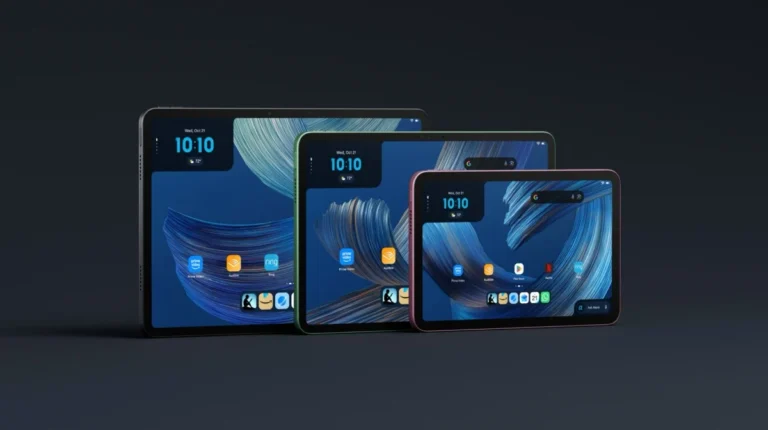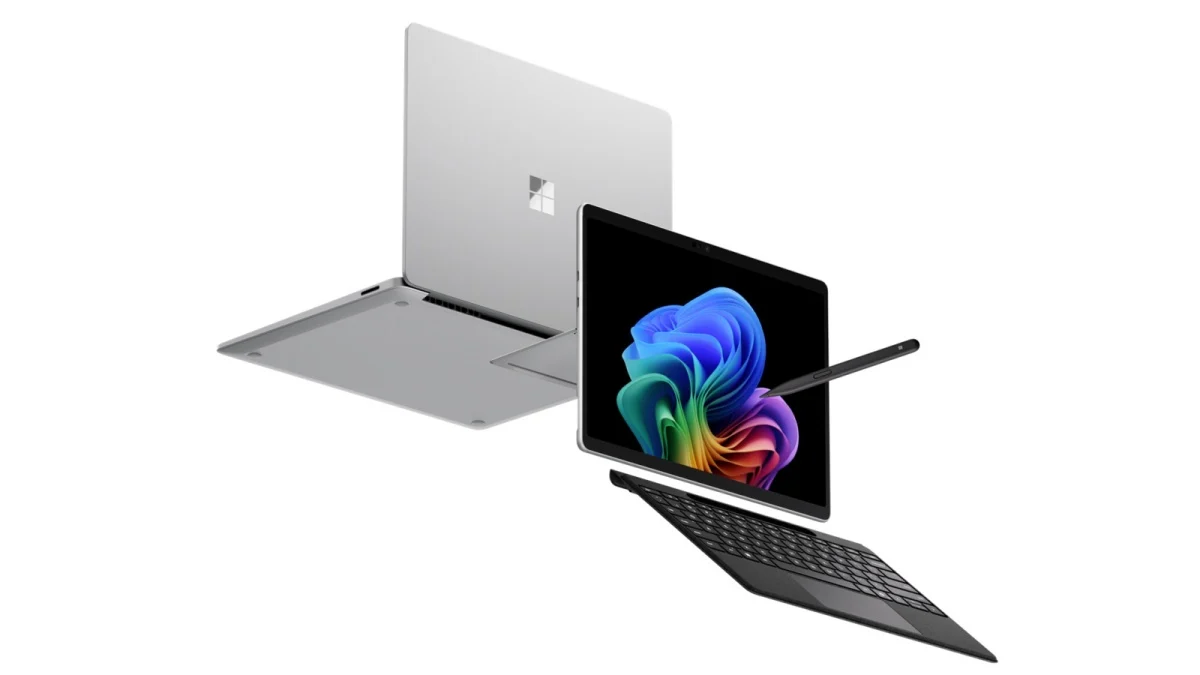
Notwithstanding the macroeconomic headwinds characterized by surging semiconductor memories and escalating production expenditures, Microsoft has unswervingly inaugurated its next-generation enterprise hardware portfolio, unveiling the Surface Pro for Business and Surface Laptop for Business. While this vanguard deployment is structurally engineered for corporate IT procurement channels, the architectural innovations integrated within the silicon and chassis are profoundly compelling. The fleet comprehensively adopts Intel’s cutting-edge Core Ultra Series 3 processors, introducing an industry-first integrated privacy display filter alongside a systemic Advanced Haptics framework designed to deliver a heightened, secure, and deeply immersive operational paradigm for the modern hybrid workspace.
To assuage the escalating appetite for localized, on-device artificial intelligence acceleration within the enterprise tier, the newly minted Surface Pro and Surface Laptop architectures rely exclusively upon Intel’s latest-generation Core Ultra Series 3 compute engines.
Microsoft explicitly lauded this micro-architectural prowess, directly confronting its primary contemporary rival by asserting that select Surface configurations deliver a graphical processing throughput that outpaces the M5-powered MacBook Air by an impressive 35%.
In the domain of energetic endurance, the Surface Laptop boasts a single-charge longevity extending up to 23 hours, while the versatile, two-in-one architecture of the Surface Pro yields an estimated 17 hours of operational untethering, comfortably satisfying the demands of protracted itinerary workflows.
For executive professionals frequently mandated to analyze volatile financial summaries or proprietary intellectual property within airport lounges, long-haul flights, or open-plan corporate environments, visual perimeter defense has long stood as a paramount operational requirement.
In response, Microsoft introduces an optional, software-actuated privacy display filter augmented with an anti-glare coating on the Surface Laptop. Via a dedicated, hardware keyboard keystroke, users can instantaneously initialize the polarization layer. While the display maintains a narrow cone of legibility for adjacent collaboration, peripheral view angles deviating beyond a 40-degree axis degrade into absolute obscurity, effectively neutralizing opportunistic visual sniffing from neighboring seats.
Concurrently, Microsoft has elevated haptic feedback into a core, system-wide interactive vocabulary, compressing response latency to a negligible sub-50-millisecond threshold.
When an operator manipulates digital canvas assets, snapping windows to grid guidelines, bounding margins, or executing window-scaling routines, the glass trackpad emits a distinct tactile cadence. In an elegant nod to user-interface optimization, as the cursor approaches the terminal “X” window-closure asset, the system delivers a transient micro-vibration, functioning as a tactile safeguard against inadvertent workflow termination.
This sensory orchestration extends seamlessly to the digital stylus ecosystem. The Surface Slim Pen 2 leverages an integrated micro-actuator to realistically simulate the mechanical friction of physical graphite on paper, while emitting discrete tactile confirmations upon the execution of specific software gestures. Marquee creative suites, including Wondershare Filmora and Concepts, have already deployed native integrations to harvest this advanced haptic API.
Engineered strictly as enterprise-grade machinery, the refreshed Surface family incorporates fortified corporate security boundaries tailored for IT infrastructure managers:
- Surface Laptop for Business: Available in 13-inch, 13.8-inch, and 15-inch form factors. The baseline 13-inch iteration commands an initial entry price of $1,300, whereas the 13.8-inch and 15-inch models commence at a premium tier of $1,950.
- Surface Pro for Business: Retains its classic 13-inch architectural footprint, debuting with a foundational price of $1,950. Beyond its native touch and active-stylus capabilities, its bespoke detachable keyboard housing now supports un-docked, wireless orchestration, complemented by an optional integrated 5G cellular modem configuration.
Support Our Threat Intelligence
If you find our technology report and cybersecurity news helpful, consider supporting our work.
 Buy Me a Coffee
PayPal
Buy Me a Coffee
PayPal