During the Build 2026 developer conference, Microsoft introduced a profound evolution of its operating ecosystem. Alongside deep architectural modifications to Windows, the enterprise officially unveiled a novel platform codenamed “Project Solara.” Consequently, Microsoft aims to spearhead a massive technological paradigm shift. This transition repositions the digital landscape from a traditional app-centric model to a strictly agent-first philosophy.
Redefining Hardware via Reference Architectures
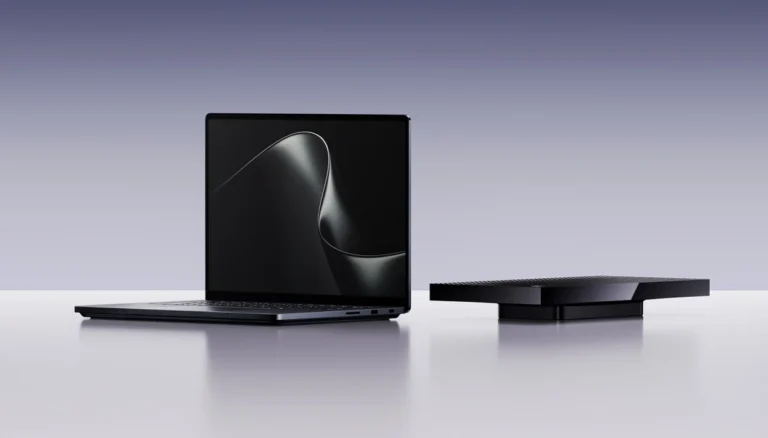
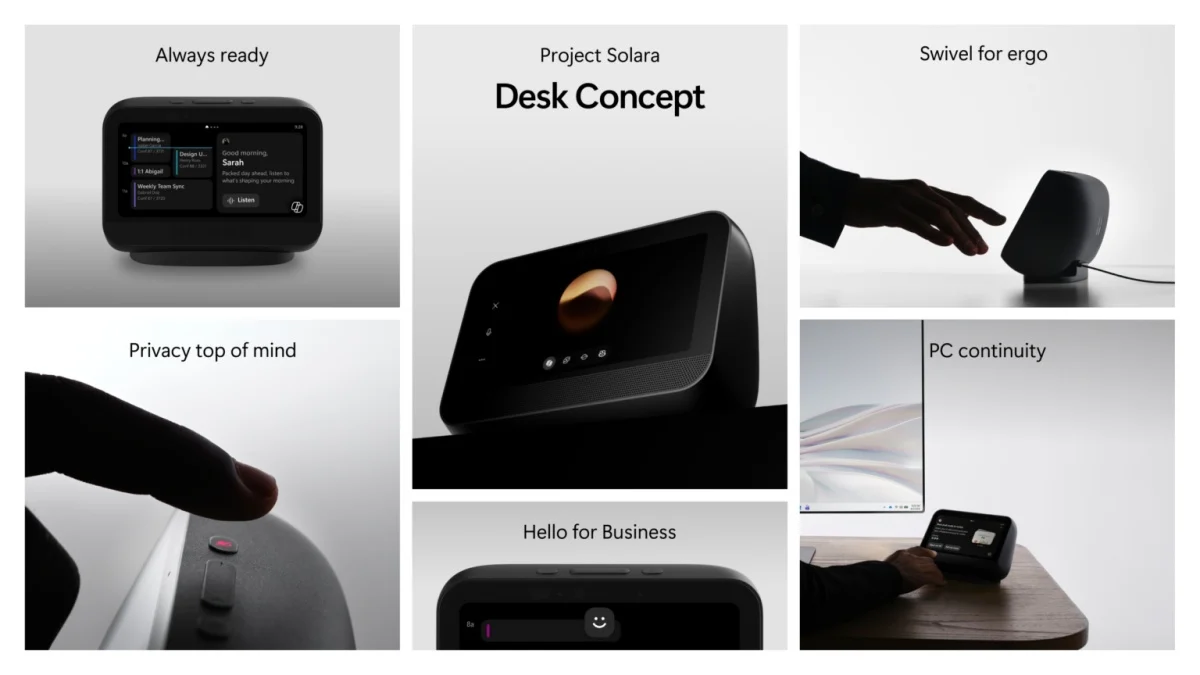
To manifest this ambitious vision, Microsoft showcased two distinct hardware reference devices powered by Qualcomm and MediaTek silicon. Crucially, the enterprise intends to establish early standards for hardware and software integration in this new era. Microsoft clarified that Project Solara functions as an open platform rather than a proprietary hardware lineup. Therefore, the ecosystem allows third-party partners to explore the vast possibilities of hardware engineered exclusively for autonomous agents.
Desktop and Mobile Form Factors
Accordingly, the physical demonstrations included a desktop intelligent display and a mobile Smart Key Badge. The desktop variant deeply integrates with Microsoft 365 telemetry to process data via natural vocal interactions. For instance, the system effortlessly orchestrates Outlook schedules, synthesizes complex Excel metrics, and automates multi-tiered workflows.
Meanwhile, the Smart Key Badge caters directly to frontline corporate employees. This compact device incorporates 5G connectivity, a touch interface, and a high-resolution camera. As a result, operators can instantly transmit visual and vocal data to backend artificial intelligence agents for immediate synthesis.
The MDEP Foundation and Dynamic Orchestration
Interestingly, international supply chain reports reveal that this advanced platform utilizes an Android-based foundation. Specifically, the architecture resides upon the Microsoft Device Ecosystem Platform, an enterprise-focused operating system branch. By leveraging Android’s mature hardware compatibility, Project Solara gracefully adapts to diverse chassis designs and disparate chip sets.
Core Technical Attributes
Furthermore, the underlying software ecosystem introduces three defining architectural features:
- Just-in-Time UI: The device completely abandons static app interfaces. Instead, the system dynamically renders bespoke user interfaces at runtime based on the active task.
- Agent Plurality: The ecosystem explicitly avoids a single dominant intelligence layer. Consequently, developers and users retain the absolute freedom to manually switch between preferred agent services.
- The Agent Dispatcher: Microsoft eventually plans to embed a permanent background task manager. This system functions like a traditional scheduler, automatically routing user intent to the most optimal background agent.
Corporate Security and Enterprise Pilots
Ultimately, Microsoft prioritized enterprise utility as the primary directive for Project Solara from its inception. The platform strictly enforces rigorous software and hardware parameters to satisfy corporate privacy standards.
This visionary framework is already moving beyond theoretical concepts into real-world validation. Specifically, retail and healthcare giants will initiate live field pilots within the coming months. These participants include prominent corporations like Target, Best Buy, and CVS Health. These organizations will comprehensively evaluate whether agent-first hardware can substantively enhance the productivity of frontline workforces.
Support Our Threat Intelligence
If you find our technology report and cybersecurity news helpful, consider supporting our work.
 Buy Me a Coffee
PayPal
Buy Me a Coffee
PayPal