Corporate Perseverance Amid Delays
Whispers recently emerged suggesting Intel might abandon its Arc discrete graphics division. This speculation was not entirely groundless. Notably, when Lip-Bu Tan became the chief executive to rescue the faltering enterprise, he prepared to purge unprofitable business units. Consequently, the consumer-facing Arc discrete graphics sector fell squarely within this potential liquidation matrix.
Subsequently, Intel issued a formal rebuttal affirming its commitment to the graphics business. However, the long-anticipated Arc B770 graphics card remains conspicuously unreleased today. Naturally, this prolonged silence prompted fresh industry conjecture regarding the division’s demise. Therefore, the enterprise countered these rumors repeatedly to reassure consumers of its persistence. Ultimately, the silicon giant still harbors deep ambitions to extract revenue from the gaming landscape.
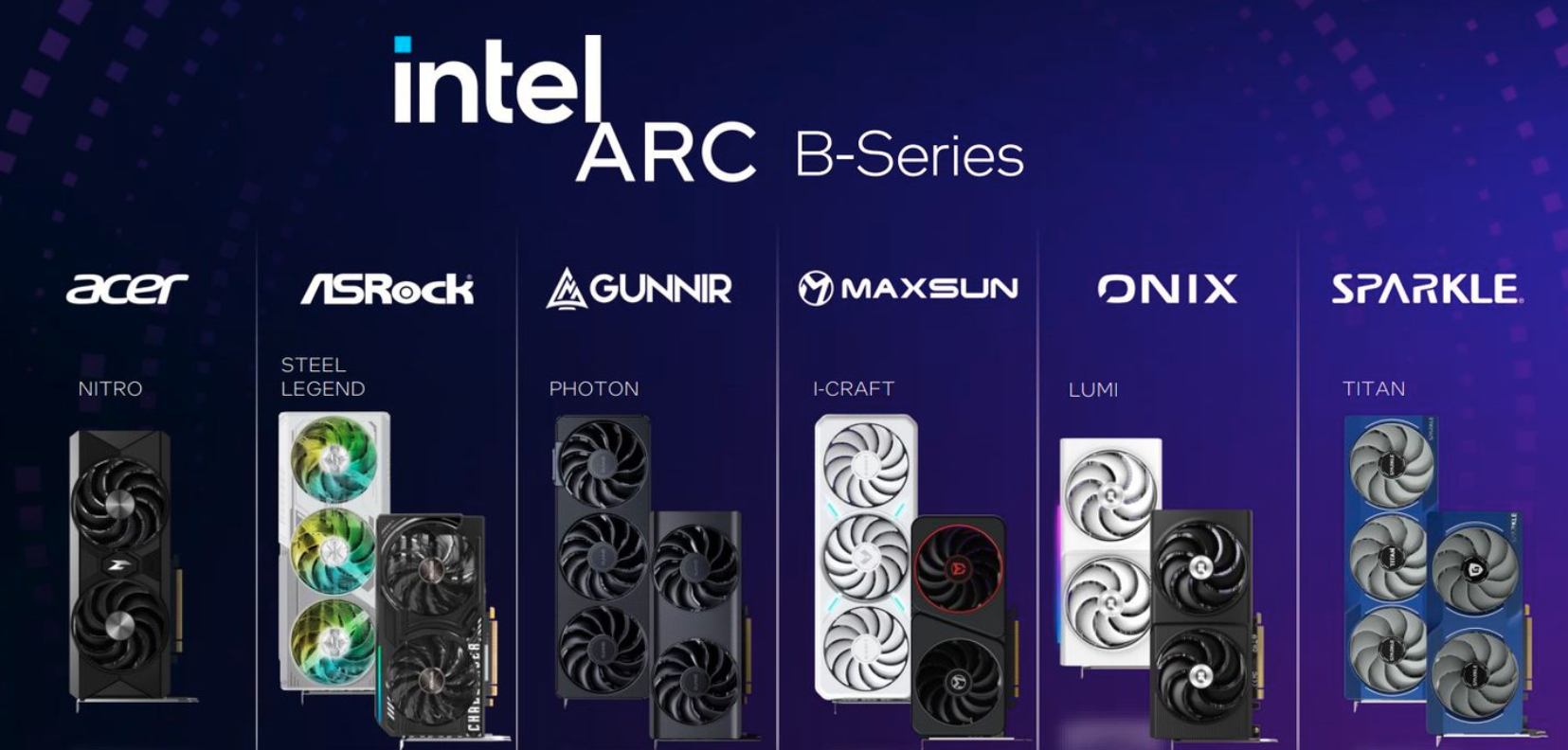
Currently, Intel concentrates its Arc portfolio primarily within mobile frameworks and integrated graphics architectures. This strategy contrasts with the dedicated desktop GPUs that enthusiasts eagerly await. For instance, the company provisions custom Arc G3 chips featuring robust graphical capabilities for handheld gaming console manufacturers. Meanwhile, absolute obscurity surrounds the fate of the flagship desktop B770 card, which originally faced a late 2025 launch timeline. Consequently, several internal insiders whisper that this desktop hardware has suffered a quiet cancellation.
Nevertheless, Intel politely but firmly dismissed these bleak assertions. Executives emphasized that strategic realignments within their graphics division would not halt active Arc hardware development. Furthermore, the firm maintains an optimistic outlook on the handheld and PC gaming landscapes. Because the gaming sector continuously generates profound financial value, Intel intends to preserve its presence in this space. Thus, discrete graphics remain an indispensable component of the company’s broader PC product roadmap.
The Developer Dilemma and Market Expectations
Based on these official corporate statements, Intel will likely sustain its graphics division for the foreseeable future. However, the enterprise withheld any specific release windows for its upcoming desktop catalog. Furthermore, the organization declined to publish a comprehensive roadmap for its discrete graphics pipeline. This lack of transparency naturally fuels anxiety among dedicated gamers. Fortunately, a vulnerable Intel might choose to offer reasonably powerful hardware at highly disruptive price points to court budget-conscious consumers.
Navigating a Duopoly and Low Market Adoption
Objectively, the adoption metrics for Intel’s discrete graphics products remain remarkably modest. The formidable duopoly of Nvidia and Advanced Micro Devices dominates the contemporary consumer GPU landscape. Consequently, entering this fiercely competitive ecosystem as a latecomer presents immense operational hurdles. Currently, Intel commands a meager 0.28% share of the consumer discrete graphics market. Therefore, the vast majority of PC users rely exclusively on competing hardware architectures.
Capitalizing on Value and Hardware Specifications
To capture significant market share, Intel must accelerate its product iteration cycles. Prolonged delays can severely damage consumer confidence in the firm’s engineering capabilities. Financially, the Arc series offers an exceptionally compelling price-to-performance proposition.
For example, the previous Arc B580 debuted at an accessible 250 dollars. Crucially, Intel equipped this model with a generous 12GB VRAM buffer. At that specific price point, rival products from Nvidia and AMD offered a mere 8GB frame buffer. Consequently, many builders favored Intel solely for this architectural advantage.
If Intel continuously delivers these high-value hardware options, consumers will gladly embrace the platform during this era of inflated hardware pricing. However, this success depends entirely on the company’s ability to maintain a modern cadence of technological updates. Ultimately, the desktop graphics segment desperately requires fresh innovation, given that Intel has not introduced a novel desktop card for a considerable duration.
Support Our Threat Intelligence
If you find our technology report and cybersecurity news helpful, consider supporting our work.
 Buy Me a Coffee
PayPal
Buy Me a Coffee
PayPal