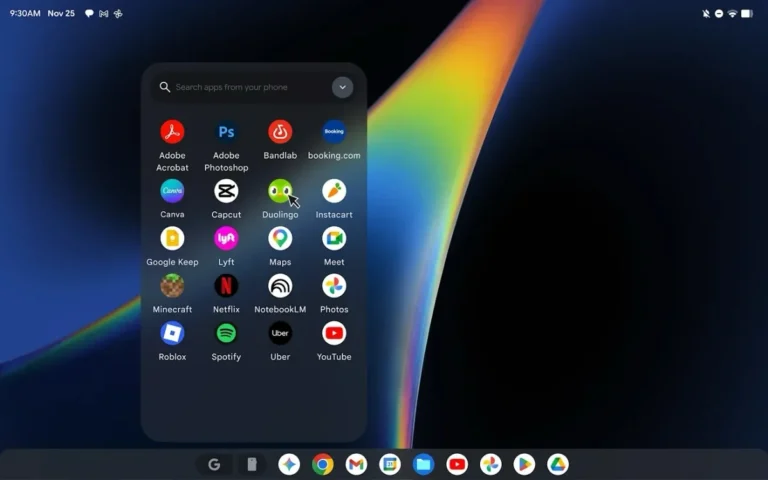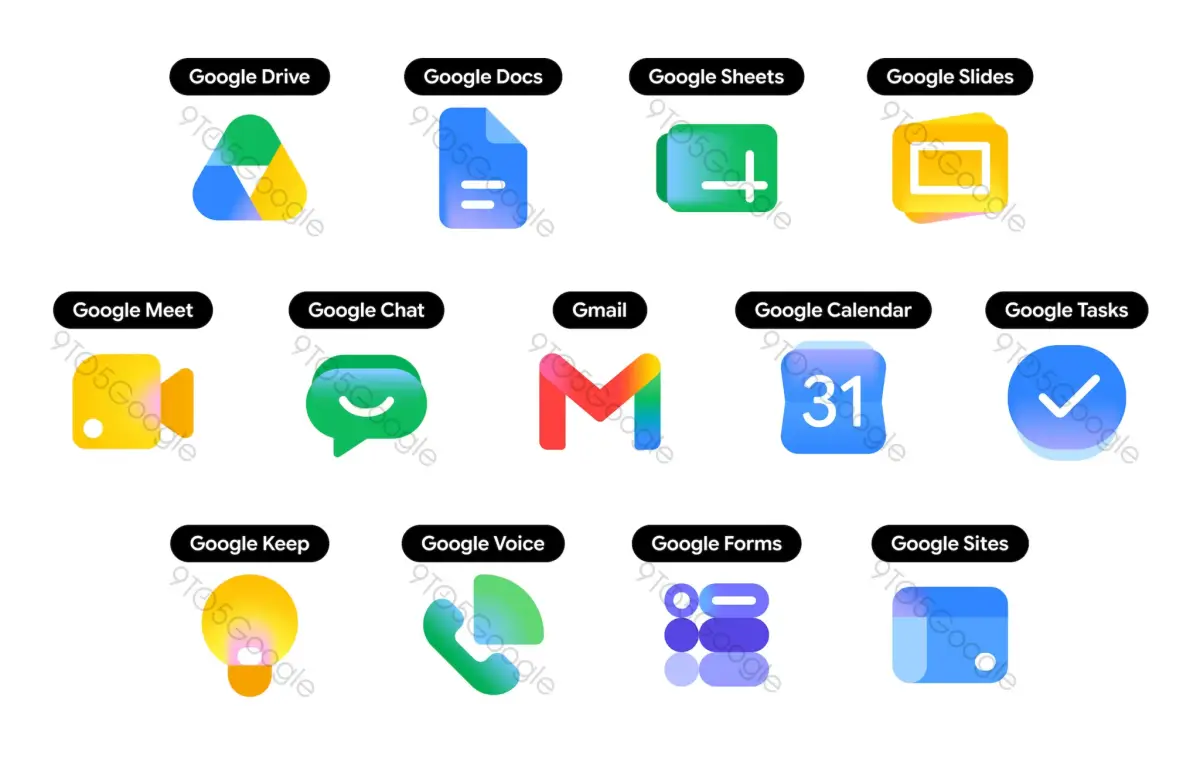
Approximately five years ago, Google executed a comprehensive overhauling of the iconography governing the vast majority of its application and service portfolio, critically including widely deployed utilities such as Google Drive, Google Meet, and Google Calendar. However, that historical design paradigm systematically erased the idiosyncratic characteristics unique to each application, substituting them with standardized linear contours composed of Google’s signature “red, yellow, blue, and green” palette. Presently, in a bid to elevate macroscopic visual recognizability, Google has finally elected to alter its course.
This aesthetic recalibration initially manifested several months ago through an incremental update to the Google Maps icon. The refreshed cartographic emblem preserved the classical four-color scheme and the ubiquitous landmark pin while concurrently injecting dimensions of multi-layered depth. Subsequently, journalistic dispatches corroborated whispers that the tech giant was orchestrating a sweeping, platform-wide iconographic redesign.
Coinciding with the imminent commencement of the Google I/O 2026 developer symposium, this newly minted suite of application icons has commenced its progressive distribution to the global user base:
- Vanguard Deployment via the Web App Switcher: Select users can already discern the comprehensively revitalized icon matrix nestled within the application switcher located in the upper-right quadrant of their personal Gmail interfaces.
- Cross-Platform Synchronicity: Although navigating directly into Drive or Calendar may occasionally reveal legacy iconography within localized sub-interfaces, multiple mobile iterations of Google’s applications—critically encompassing the iPhone ecosystem—have steadily donned the refreshed aesthetic, indicating that a grand-scale rollout is actively underway.
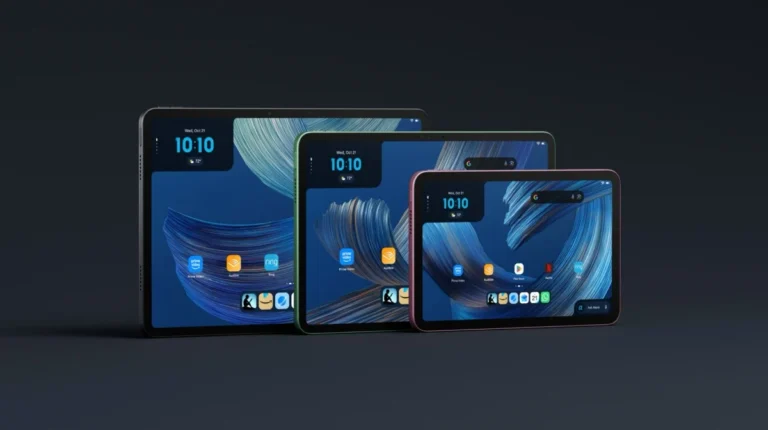
Contrasted against the preceding generation’s excessively flat and homogenous design philosophy, this contemporary iteration represents a monumental evolution. Not only does it empower users to seamlessly differentiate among distinct applications at a transient glance, but its stylistic vocabulary also evokes the nascent 3D iconography unveiled by Google last week as a core component of the upcoming Android 17 operating system.
Should these updated emblems remain absent from your personal mobile hardware or desktop browser interfaces, a modicum of patience is advised. Given that the update has successfully surfaced across multiple accounts and hardware architectures, a comprehensive global release is merely a question of temporal inevitability. Industry observers fully anticipate that Google will articulate the granular technical and artistic rationales underpinning this visual renaissance during its keynote address at Google I/O 2026.
Google’s iconographic transformation half a decade ago serves as a classical case study in the perils of subordinating pragmatic utility to an overzealous pursuit of corporate brand uniformity. While distilling every application down to identical four-color wireframes achieved an extreme level of brand cohesion, it violated the foundational axiom of user-interface design: enabling users to instantly locate a digital tool through intuitive, pre-attentive reflexes triggered by distinct shapes and colors.
This current redesign signifies that Google has successfully restored the delicate equilibrium between corporate branding aesthetics and authentic user experience. By reintroducing dimensional depth and bespoke structural attributes, the firm not only rectifies a long-standing point of friction but harmonizes beautifully with the design lexicon defining the next era of Android 17.
Support Our Threat Intelligence
If you find our technology report and cybersecurity news helpful, consider supporting our work.
 Buy Me a Coffee
PayPal
Buy Me a Coffee
PayPal