To advance a green circular economy, the European Union formally passed its stringent Batteries Regulation in 2023. The law requires that every consumer electronic product sold in the EU must allow users to easily remove and replace the battery themselves by 2027.
Reality, however, has intervened. Faced with genuine industrial design challenges and safety considerations, the European Commission has now published a delegated act. The measure excludes smartwatches and other wearable devices, along with five additional product categories, from the mandate for user-removable batteries.
Waterproofing, Size, and Safety: Six Device Classes Win Exemptions
According to the Commission’s draft, the six newly exempted categories are: wearable devices, certain medical equipment, electronic toys, portable thermometers, roof-mounted vehicle communication equipment, and devices engineered for explosive environments, such as explosion-proof motors and sensors.
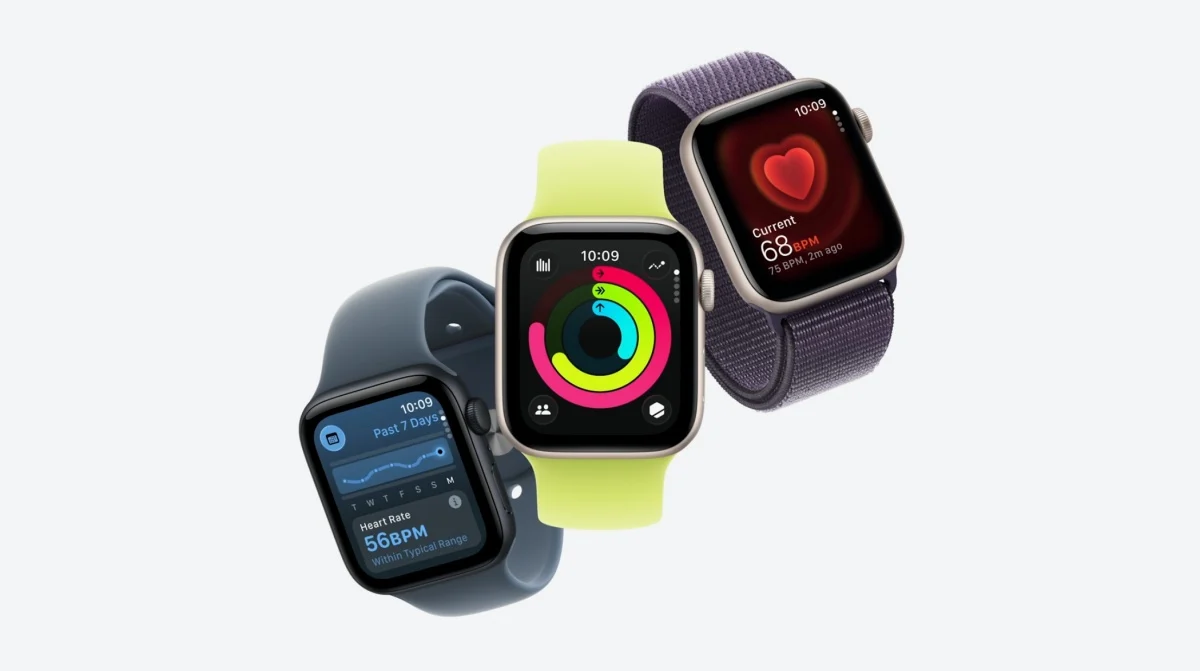
Among these, wearables have naturally drawn the most market attention. The EU defines the category to include smartwatches, fitness bands, smart glasses, and electronics integrated into clothing and accessories. Consequently, products such as the Apple Watch or Meta’s Ray-Ban smart glasses will not need an unsightly, structure-compromising battery hatch carved into their bodies merely to satisfy the law.
What About Wireless Earbuds?
The draft never names true wireless stereo (TWS) earbuds directly. Even so, products like AirPods demand extreme sealing and ingress protection. For that reason, they are widely considered to meet the exemption standard, which applies when user access to the battery would compromise a product’s safety, durability, or water resistance.
Nevertheless, the EU stresses one crucial limit. The exemption covers only replacement by ordinary end users. Therefore, exempted devices must still allow trained, independent professional repairers to disassemble them and swap the battery, preserving third-party repair rights.
Smartphones and Game Consoles Remain Covered With Flexible Conditions
Notably, smartphones and handheld game consoles did not make the exemption list.
Consider game consoles first. The regulation, which takes effect in 2027, has already forced Nintendo to redesign the Nintendo Switch 2 for the European market. The revised console features a removable battery so that it complies with the rules.
No Return to Pop-Off Plastic Backs
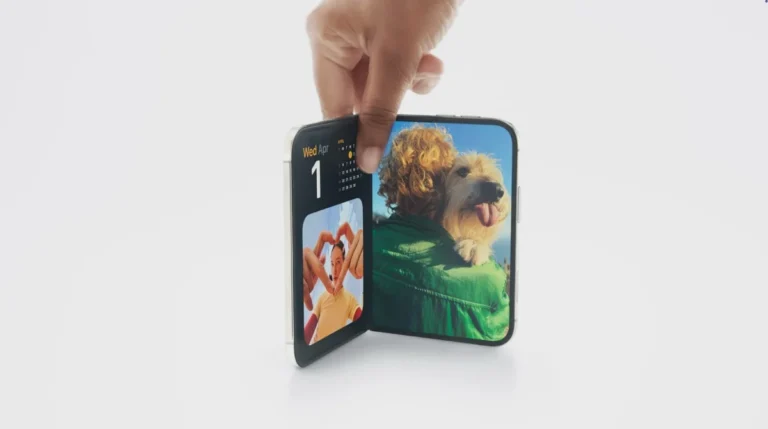
For smartphones, the EU is not forcing brands back to the snap-off plastic covers of twenty years ago. Under the current rules, compliance hinges on a few practical conditions. First, replacing the battery must not require destructive specialty tools that consumers cannot buy on the open market. Alternatively, disassembly with manufacturer-supplied repair tools is acceptable. Finally, the replacement process must never endanger the user.
Apple’s existing Self Service Repair program already satisfies these standards. Likewise, Samsung and Microsoft have adopted comparable self-repair schemes that meet the EU’s bar.
What Happens Next
The draft act now heads to the European Parliament and the Council of the EU for scrutiny. If no objection emerges, it will enter into force twenty days after publication in the Official Journal of the European Union.
Support Our Threat Intelligence
If you find our technology report and cybersecurity news helpful, consider supporting our work.
 Buy Me a Coffee
PayPal
Buy Me a Coffee
PayPal