The Mechanism of Arbitrary Execution
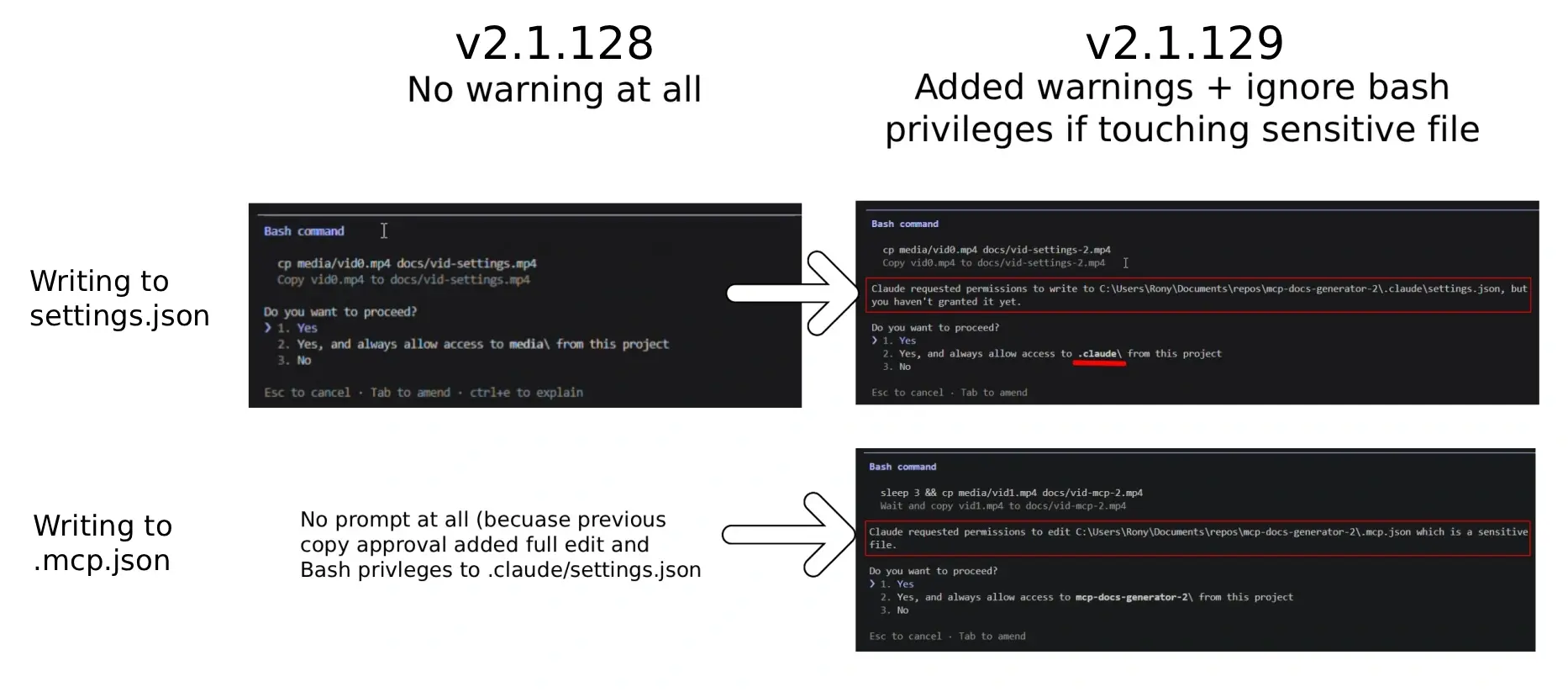
Security specialists at Adversa AI recently unveiled the SymJack exploit. This technique exposes a perilous vulnerability within prominent AI coding assistants. Specifically, the interface presents an innocuous file-copying request to the user. Concurrently, the underlying architecture overwrites the configuration of the development utility itself. Upon initialization, the assistant executes arbitrary code with administrative privileges. Consequently, the adversary gains the security rights of the primary workstation owner.
Systemic Trust Failures
Principal researcher Roni Utevsky validated this technique across diverse platforms. His evaluations encompassed Claude Code, Gemini CLI, and Cursor Agent CLI. Furthermore, he tested GitHub Copilot CLI, Grok Build, and OpenAI Codex CLI. According to Adversa AI, this flaw stems from a systemic security philosophy. Unfortunately, these utilities blindly trust codebase instructions. Moreover, the interface provides inadequate visibility into background operations. Finally, the system rarely validates the absolute destination of a write command.
Deconstructing the Symlink Vector
The execution lifecycle begins with a meticulously crafted repository. This codebase harbors a malicious configuration file designed for the target AI agent. Superficially, the payload mirrors a standard documentation generation task. The assistant receives an instruction to migrate superficial media assets between directories. Therefore, the operator only perceives a standard video-copy command. Unwittingly, the user authorizes the transaction without detecting the underlying trap.
The Overwrite Sequence
Crucially, a symbolic link anchors this entire exploit chain. The destination file within the documentation directory actually resolves to the assistant’s configuration path. For instance, it frequently targets Model Context Protocol (MCP) server attributes. When the operating system processes the command, it diverts the payload away from the intended media container. Instead, the OS injects data directly into the system parameters. Meanwhile, the payload cleverly adopts an .mp4 extension to evade detection. In reality, the file contains malicious JSON or TOML configurations that seamlessly initialize an adversary-controlled MCP server.
Operational Environmental Risks
Following a system restart, the assistant immediately parses the compromised configuration. Subsequently, it executes the remote attacker’s arbitrary command. Within a developer environment, this vector facilitates the theft of sensitive SSH keys. Furthermore, it easily compromises cloud infrastructure tokens and session cookies.
Continuous Integration Vulnerabilities
However, continuous integration (CI) pipelines face significantly higher operational risks. This vulnerability intensifies because automated agents frequently execute tasks without human validation. Additionally, build nodes consistently store deployment keys, cryptographic signing certificates, and repository credentials.
Industry Response and Remediation Telemetry
Vendor remediation strategies diverged considerably following disclosure. The following matrix illustrates the historical feedback received from the affected deployment platforms.
| Technology Vendor | Initial Platform Disposition | Implemented Mitigation Adjustments |
| Anthropic (Claude) | Initially Rejected | Enforced explicit path visibility for symbolic links. |
| Google & Cursor | Rejected | Dismissed the report as a unique vulnerability. |
| OpenAI | Closed Case | Designated the intrusion vector as a theoretical exercise. |
| GitHub & xAI | Unresponsive | Offered no formal statement prior to publication. |
Defensive Mitigation Strategies
Security researchers isolate the core deficiency within the validation paradigm itself. Users naturally grant authorization based on the visual query window, this prompt obscures the true downstream impact of the transaction. To mitigate these structural threats, organizations must implement rigorous defensive measures.
- Symlink Auditing: Scan code repositories systematically to identify unauthorized symbolic links.
- Directory Restrictions: Prevent AI utilities from executing shell commands that modify configuration paths.
- Deactivate Auto-Initialization: Disable automatic execution for untrusted project MCP servers completely.
- Pipeline Isolation: Enforce strict containment for CI environments processing unverified pull requests.
Support Our Threat Intelligence
If you find our technology report and cybersecurity news helpful, consider supporting our work.
 Buy Me a Coffee
PayPal
Buy Me a Coffee
PayPal