Rome, Italy, June 1st, 2026, CyberNewswire
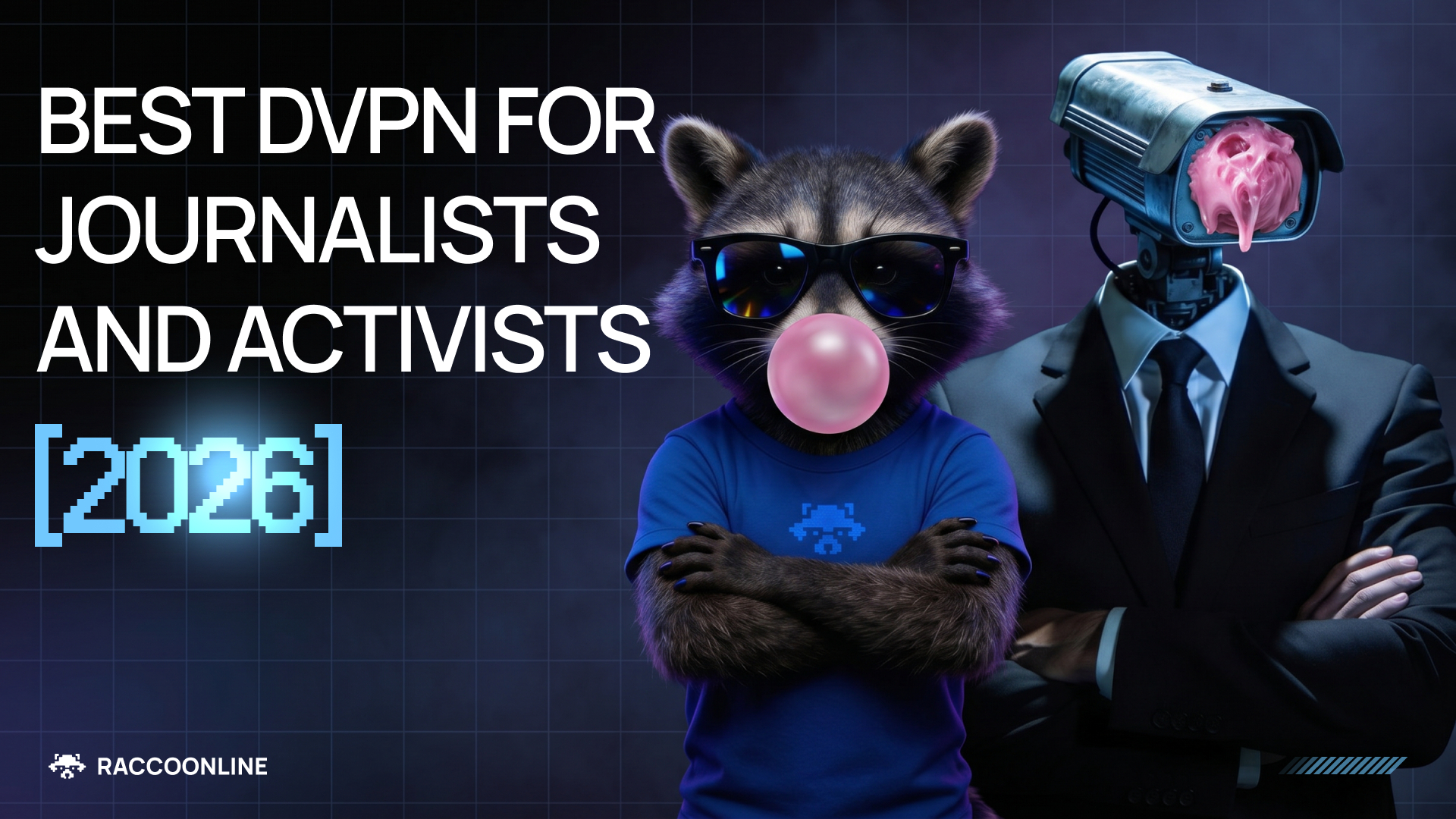
Following a series of source exposure incidents in which journalists operating in restrictive environments were identified through VPN provider records obtained under legal compulsion, RaccoonLine today published a security guide for high-risk users covering the three failure modes that most commonly compromise VPN protection and how protocol and architecture choices address each one.
Journalists working with sensitive sources and activists operating in hostile environments share a specific threat model. The risks are not abstract. Reporters have been identified and detained after their communications were intercepted. Sources have been exposed through metadata analysis. Activists have been located through IP address records obtained from VPN providers under legal compulsion. The tools that address these risks are not the same tools that work well for streaming or geo-restriction bypass.
The Three Failure Modes That Matter
Most VPN security failures in high-risk contexts fall into three categories.
Protocol detection: the VPN traffic is identified as VPN traffic by DPI infrastructure, the connection is blocked, and the user loses access at the moment they need it. In environments where VPN use itself draws attention, failed connection attempts may also generate investigative interest.
Provider compulsion: the VPN company is served with a legal order compelling production of connection records. The user’s real IP address, session times, and destination data are handed to the requesting authority. The user was never informed because the order included a gag clause.
Metadata exposure: the VPN protects traffic content but not connection timing and volume. An adversary watching network traffic can determine that a user connected to a specific destination at a specific time, even without reading the traffic. For journalists communicating with sources, timing metadata can be as identifying as content.
How Protocol Choice Addresses the First Failure Mode
In countries running active DPI, a VPN that uses WireGuard or OpenVPN will be detected and blocked. For a journalist attempting to file from a country with heavy censorship, a blocked VPN means the story does not get out. For an activist coordinating during a protest, it means loss of communication at the worst possible moment.
VLESS with REALITY transport produces traffic indistinguishable from standard HTTPS. DPI systems have no pattern to match against. Active probing by censorship infrastructure returns the same response as a legitimate website. The connection survives in environments where WireGuard-based tools fail within hours.
How Decentralized Architecture Addresses the Second
A centralized VPN provider is a legal entity with servers that governments can subpoena. A National Security Letter in the US, or equivalent instruments in other jurisdictions, can compel a provider to collect data on specific users and prohibit disclosure of the order. The user continues to believe their VPN is protecting them.
A decentralized VPN with P2P routing has no central server holding complete connection records. RaccoonLine as a company cannot produce records linking a specific user to their destinations, because those records are distributed across independent node operators who each hold only a routing fragment. For journalists working with sources in jurisdictions where legal pressure on service providers is a realistic threat, the structural difference between a policy promise and an architectural impossibility matters directly.
Metadata Considerations
A VPN protects the content of traffic. It does not, by itself, protect against traffic analysis that looks at timing and volume patterns rather than content. Wandering Flow routing in RaccoonLine changes traffic paths continuously rather than maintaining a persistent connection to a fixed endpoint. This makes timing-based correlation attacks harder.
For high-threat-model use cases, a dVPN is one layer in a security stack. Journalists handling the most sensitive materials also use Tor, Signal, and air-gapped devices for different parts of their workflow. A dVPN addresses network-level exposure; it does not replace endpoint security or operational security practices.
About RaccoonLine
RaccoonLine addresses all three failure modes described in this guide. VLESS protocol handles DPI detection in environments where WireGuard gets blocked. P2P routing with no central connection records handles legal compulsion of service providers. Wandering Flow dynamic routing makes timing-based correlation attacks harder. The product includes built-in decentralized file storage and clients for Windows, macOS, iOS, and Android. More information is available at raccoonline.com.
Contact
CMO
German Melnik
admin@raccoonline.com