A Monumental Milestone
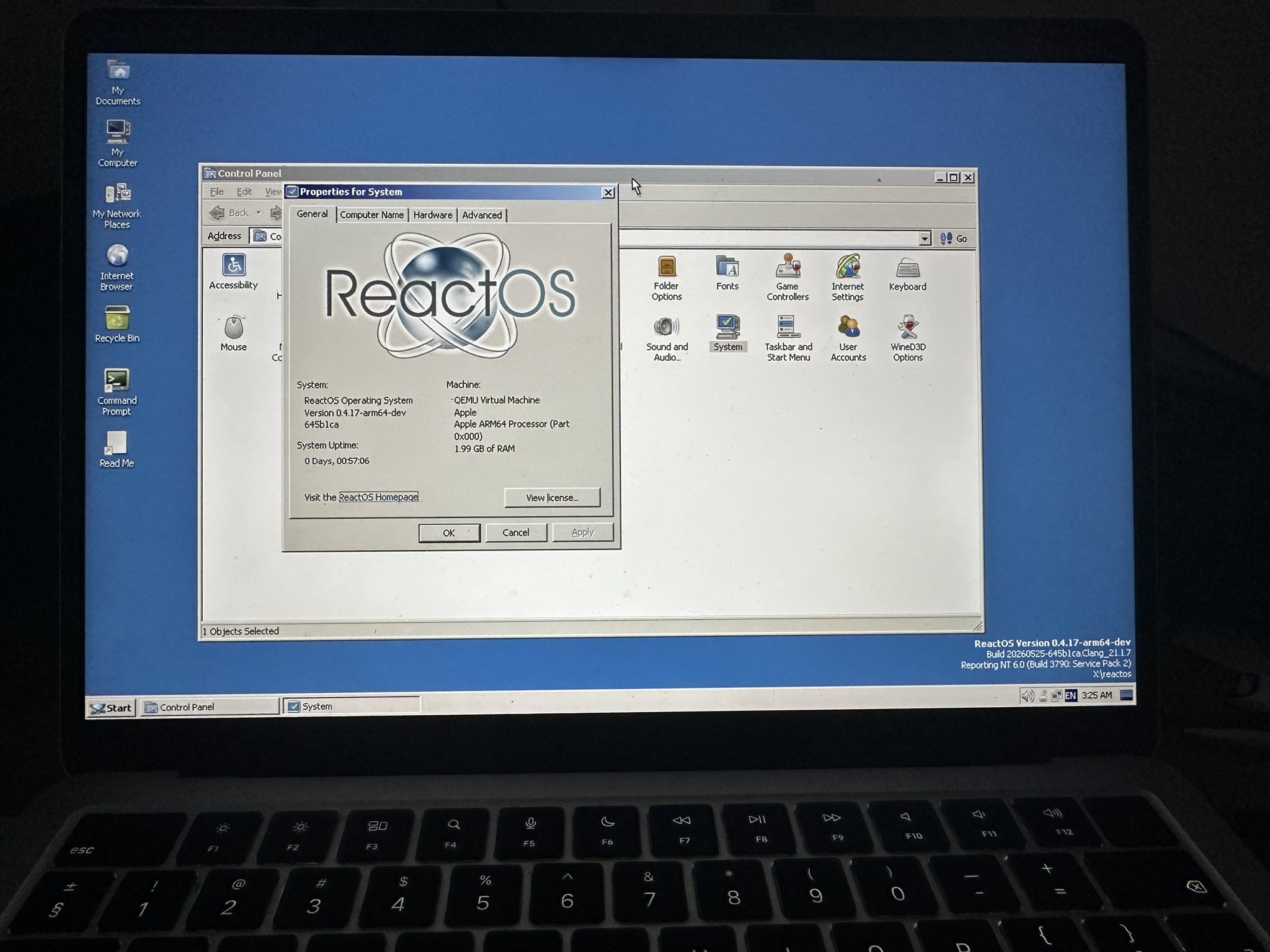
ReactOS has officially arrived on the ARM64 architecture. This step marks a spectacular achievement for the open-source community. For three decades, the project has endeavored to recreate the essence of Windows NT. Currently, this system cannot function as a daily driver. Instead, the primary joy stems purely from witnessing the successful execution of the boot sequence.
Experimental Deployments
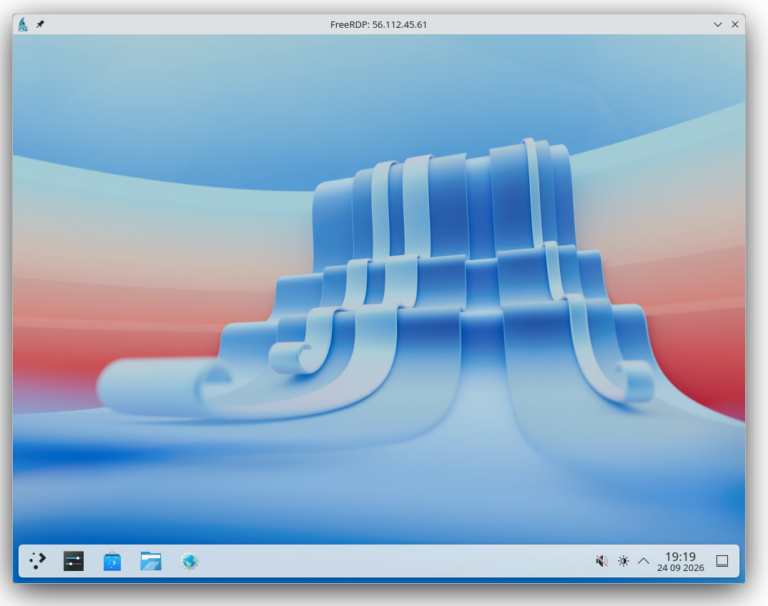
Recently, the development collective announced that their experimental build successfully initialized on ARM64. Published documentation elegantly demonstrates the platform running within QEMU. Furthermore, testers successfully loaded the operating system onto a Raspberry Pi 5. The creators immediately cautioned that this iteration remains far from stable. Nevertheless, they invited daring enthusiasts to explore the software independently.
Architecture and Core Philosophy
ReactOS flourishes as an independent effort to replicate Windows NT. Crucially, the developers build everything without relying on proprietary Microsoft source code. Currently, the engineering team prioritizes structural compatibility with Windows Server 2003.
Divergence from Translation Layers
This architecture diverges significantly from WINE. While WINE merely translates Windows application instructions within Linux, ReactOS crafts a bespoke NT kernel. Consequently, the operating system interacts with device drivers at a profoundly deep level.
Technical Pre-requisites
This initial ARM64 port currently serves as a mere proof of concept. Practical deployment scenarios remain virtually nonexistent at this stage. Therefore, initializing the environment requires immense patience and specific hardware components.
Hardware Parameters
The installation demands an ARM64 UEFI system with an enabled GICv2 or GICv3 interrupt controller. Fortunately, the software supports diverse boards starting from the ARMv8-A architecture. Among these options, developers highlighted the Raspberry Pi 5 as a unique case study.
Analytical Observations and Challenges
According to reports from The Register, booting ReactOS on the Raspberry Pi 5 proved rather arduous. Journalists encountered highly volatile outcomes during their initial testing phase. Hence, they advised users to view this build strictly as an experimental endeavor for secondary hardware. The core organization explicitly classifies ReactOS as an alpha-grade operating system. Thus, expecting immediate stability or comprehensive application compatibility remains premature.
Validation of Vision
Nonetheless, arriving at a functional ARM64 desktop represents a historic triumph for the project. One dedicated contributor devoted eight months of rigorous labor to refine the codebase. Admittedly, ordinary consumers will find little immediate utility in this build. However, the successful boot sequence offers undeniable validation for the engineering team. After years of reconstructing the Windows NT architecture from scratch, they have proven their direction works.
Support Our Threat Intelligence
If you find our technology report and cybersecurity news helpful, consider supporting our work.
 Buy Me a Coffee
PayPal
Buy Me a Coffee
PayPal