Innovative Biometric Authentication
Google has introduced a novel account recovery mechanism utilizing user selfie videos. You can learn more about this initiative in the official announcement regarding the selfie video sign-in. This feature proves invaluable should an individual forget their password. It also helps if they misplace their mobile device or cannot authenticate from a recognized computer.
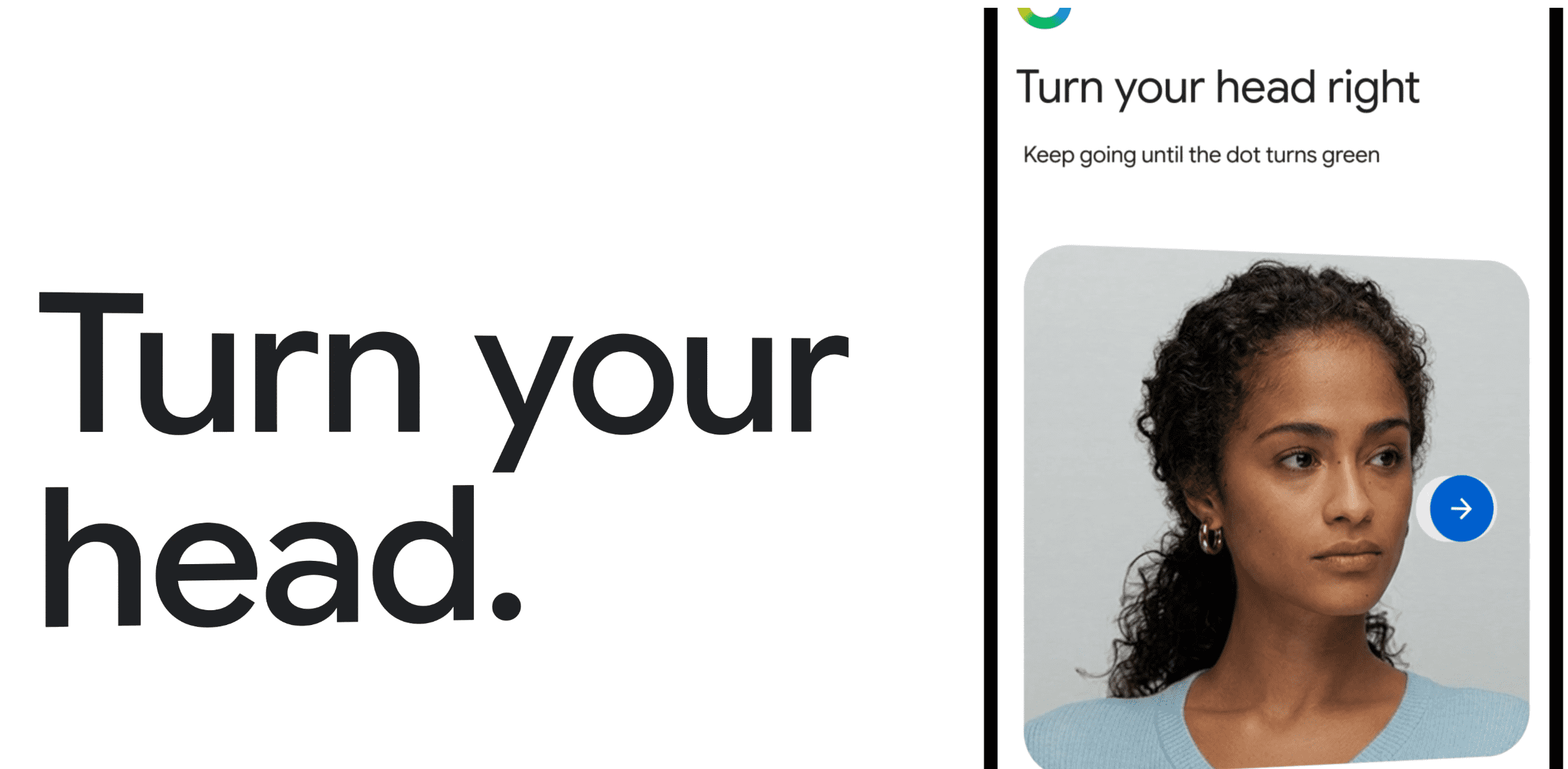
Rather than relying on SMS verification codes, the system will prompt the user to record a brief selfie video. During the initial configuration, the camera captures the visage from multiple angles. The user executes several rudimentary head movements guided by on-screen prompts. Consequently, the system acquires sufficient data for subsequent identity verification.
Secure Archival and Restoration
This recording is securely archived within the account. It serves as a supplementary authentication vector alongside passkeys and backup contacts. Should the proprietor subsequently lose account access, Google will request the capture of a new video.
The system will meticulously compare this contemporary recording against the pre-established reference sample. A successful match will instantly authenticate the identity. Thus, it restores access to emails, photographs, documents, and other sensitive data.
Thwarting Advanced Digital Deception
Mere facial resemblance remains entirely insufficient for authorization. The user must reiterate the prescribed movements. This specific action definitively proves a living human is present before the camera. It prevents attackers from utilizing a static photograph or a pre-recorded clip. Furthermore, Google deploys sophisticated supplementary defense mechanisms. These advanced tools actively guard against forged images, manipulated videos, and deepfakes.
Contextual Analysis and Data Privacy
The verification process also incorporates standard indicators of suspicious login attempts. The system profoundly analyzes the contextual circumstances of the authorization request. It retains the absolute authority to reject the attempt upon detecting signs of impersonation. Ultimately, the video protocol does not supersede the account’s existing security mechanisms. Rather, it gracefully complements them.
Google captures the foundational video strictly with the user’s explicit consent. The platform securely stores the file in a robustly encrypted state. Google explicitly prohibits utilizing this data for alternative purposes without distinct authorization. Individuals retain the absolute sovereignty to delete this recording from their account settings at any given moment.
The Ultimate Fallback Option
This novel recovery paradigm is particularly advantageous in extreme scenarios. For instance, multiple traditional login avenues might be simultaneously compromised. A verification code offers absolutely no solace following the loss of a phone number. Similarly, a prompt dispatched to a trusted device becomes entirely futile if the smartphone is shattered or stolen. Therefore, a preemptively stored video provides the rightful owner with an indispensable alternative pathway.
This capability is not universally available across all accounts instantaneously. Google suggests verifying your eligibility within the login settings. If accessible, users should preemptively record the requisite video. The corporation steadfastly advises against relying on a solitary authentication method. Instead, they strongly advocate for the immediate configuration of multiple, independent recovery options.
Support Our Threat Intelligence
If you find our technology report and cybersecurity news helpful, consider supporting our work.
 Buy Me a Coffee
PayPal
Buy Me a Coffee
PayPal