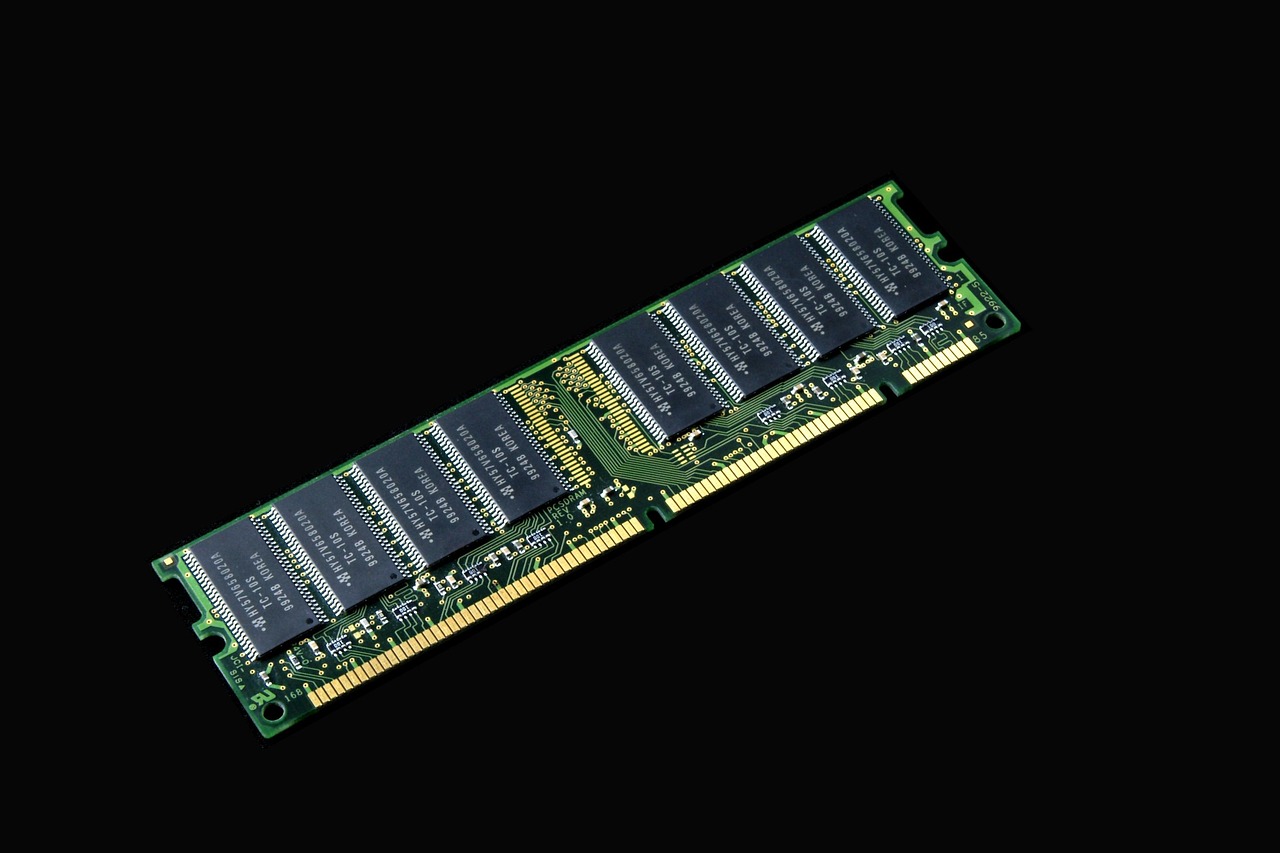
The AI industry’s hunger for memory has reached an extreme. Every maker now races to produce high-margin HBM, the high-bandwidth memory that AI demands. Capacity is limited, though. So output of ordinary DDR memory has been cut sharply. As a result, DDR prices keep climbing across the whole industry. That trend shows no sign of reversing soon.
Even DDR2 Feels the Squeeze
The shortage has now spread to DDR2, a standard that first shipped in 2003. DDR2 was not hit directly. However, supply of mature nodes like DDR5 and DDR4 tightened first. In response, OEMs and ODMs started specifying DDR3 as a substitute. DDR3 still works in many low-performance scenarios. Some DDR3 designs were then reworked to use DDR2. In practice, buyers at every tier are scrambling for whatever memory they can still find.
The Numbers from TrendForce
The market research firm TrendForce laid out the figures in its latest report. DDR2 contract prices rose 55% to 60% in Q2 2026. The firm expects a further 35% to 40% rise in Q3 2026. A near-term drop looks unlikely. That is especially true because Winbond is cutting DDR2 output. You can find the full data on the TrendForce report page.
Winbond Pulls Back as ESMT Expands
Two Taiwanese firms make most of the world’s DDR2 today: Winbond and ESMT. Winbond is now reducing DDR2 production to shift toward other memory. ESMT, by contrast, is expanding its DDR2 capacity. For ESMT, the math is simple. DDR2 prices keep rising, and the company faces almost no rivals in that market.
The problem lies in the gap. Winbond is moving its DDR2 capacity to higher-margin DDR3, DDR4, and LPDDR4. Meanwhile, ESMT’s added capacity cannot fill the hole. So even DDR2, a memory type from more than 20 years ago, now faces a tight supply. The whole supply chain feels the impact. Products that still use DDR2 must raise their prices too.
Who Pays the Price
DDR2 mainly serves embedded devices, networking gear, industrial controllers, and automotive electronics. These products will not chase DDR3 or newer standards anytime soon. Sticking with DDR2 once saved money and avoided supply worries. Now, however, the situation troubles their makers. In the end, these embedded devices will simply have to cost more.
Support Our Threat Intelligence
If you find our technology report and cybersecurity news helpful, consider supporting our work.
 Buy Me a Coffee
PayPal
Buy Me a Coffee
PayPal